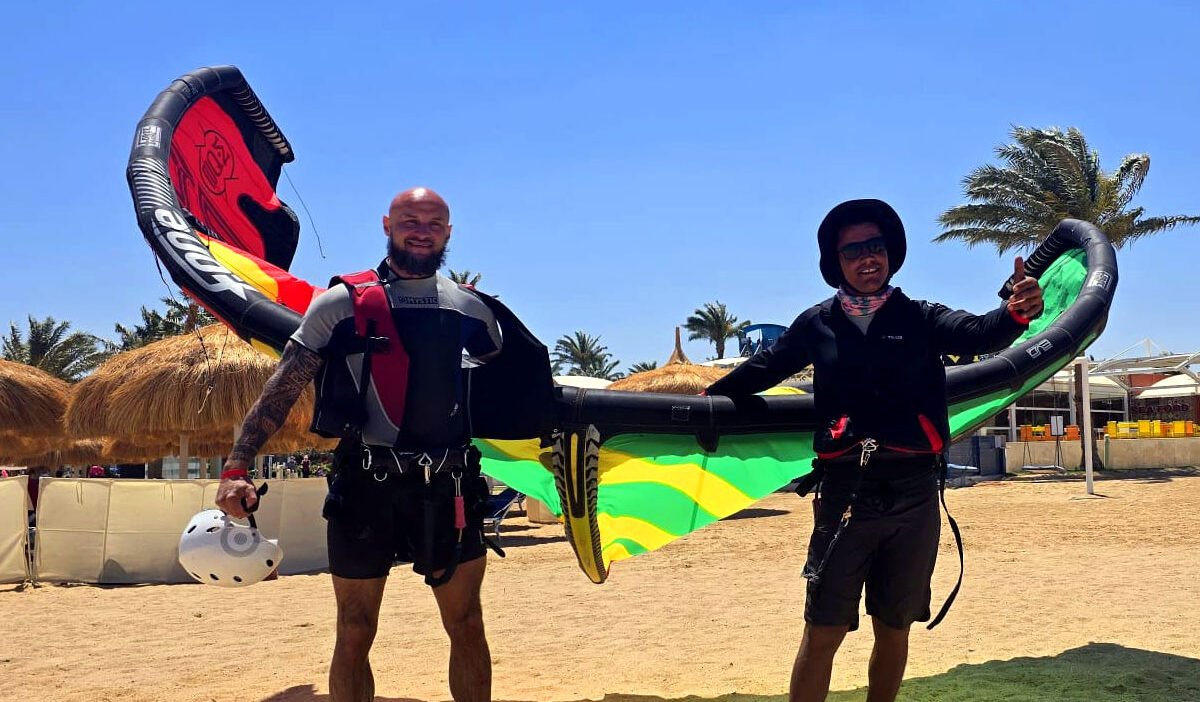
The best time for kitesurfing hurghada season runs from May through October (six months), when daily thermal winds consistently blow at 15–25 knots, water temperatures reach 26–30°C, and no wetsuit is needed. April and November offer good shoulder‑season alternatives with fewer crowds. Winter months (December–February) are still kiteable but require a light wetsuit and are better suited for advanced riders. Egypt’s Red Sea provides year‑round kitesurfing opportunities, but the May–October window delivers the highest reliability for beginners, lessons, and kite safaris.
❓ Q&A – Everything You Need to Know About Kitesurfing in Egypt
- 1. What is the best time of year to kitesurf in Egypt? 🏄♂️
- 2. What is the best month for kitesurfing in Hurghada? 🌬️
- 3. What are the kitesurfing seasons in Egypt? 📅
- 4. What is the kitesurfing season like month by month in Hurghada? 🗓️
- 5. Where are the best kitesurfing spots in Egypt? 🏝️
- 6. How much does kitesurfing in Egypt cost? (prices updated 2026) 💰
- 7. What injections do I need for Egypt (Hurghada)? 💉
- 8. Can you swim with dolphins in Hurghada, Egypt? 🐬
- ✅ Practical Checklist: Planning Your Kitesurfing Trip to Hurghada
- 🎯 Ready to Ride? Your Next Steps
1. What is the best time of year to kitesurf in Egypt? 🏄♂️
The best time to kitesurf in Egypt is from May through October. During these six months, the Red Sea experiences its most consistent and strongest thermal winds, which blow daily from the north or north‑west. Wind speeds typically range from 15 to 25 knots, with occasional days reaching 30–35 knots for advanced riders. Water temperatures climb to a comfortable 26–30°C, so you can wear board shorts or a bikini – no wetsuit is needed.
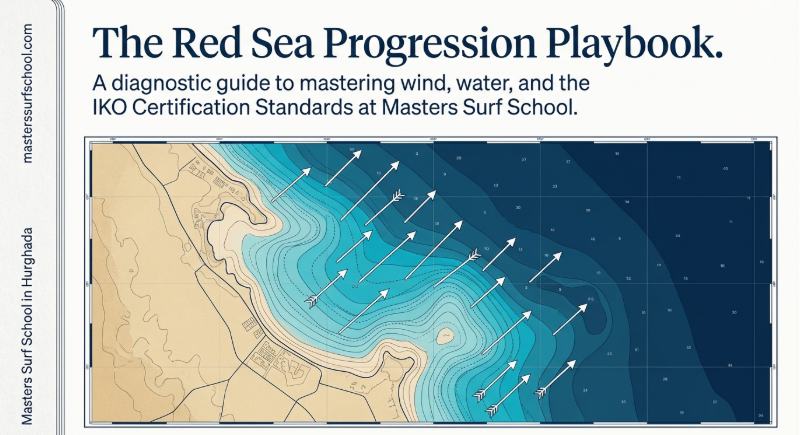
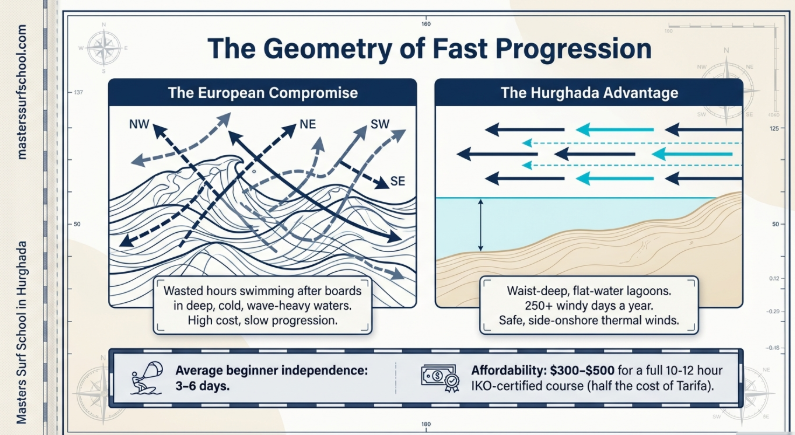
Why does this period work so well? The desert heat intensifies during spring and summer, creating a powerful “thermal engine” that pulls in steady cross‑onshore winds. Many kite schools and safari operators schedule their trips exclusively between May and October because they can go weeks without a single wind‑free day. For beginners, this means more predictable learning sessions; for experienced riders, it means endless hours on the water.
2. What is the best month for kitesurfing in Hurghada? 🌬️
The best single months for kitesurfing in Hurghada are May, June, September, and October. These months offer an ideal balance of strong, reliable winds and pleasant temperatures without the extreme heat of July and August. May and June deliver excellent thermal breezes while air temperatures remain manageable. September and October are often called the “golden months” because the summer crowds have thinned, the water is still beautifully warm, and the wind continues to blow consistently.
If you must choose one month, September is widely considered the sweet spot: strong winds (18–25 knots), sea temperatures around 28°C, and fewer tourists than July–August. For absolute wind reliability, May and June are excellent choices because thermal reinforcement is at its peak.
3. What are the kitesurfing seasons in Egypt? 📅
Egypt’s kitesurfing year can be divided into three distinct seasons. Understanding these seasons helps you plan your trip according to your skill level and preferences.
| Season | Months | Wind Speed | Water Temp | Best For |
|---|---|---|---|---|
| Peak Season | May – October | 15–25 knots (consistent daily) | 26–30°C (no wetsuit) | All levels, especially beginners & lessons |
| Shoulder Season | April & November | 12–18 knots (slightly less predictable) | 22–26°C (light neoprene optional) | Riders who prefer emptier spots |
| Winter | December – February | 10–15 knots (frontal, less reliable) | 20–22°C (shorty wetsuit recommended) | Advanced riders, wave seekers |
Peak season (May–October) is when kitesurfing in Egypt truly shines. Shoulder months offer more space at kite centers but slightly lighter winds. Winter is still kiteable, especially for those who don’t mind a 3/2mm wetsuit and more variable conditions.
4. What is the kitesurfing season like month by month in Hurghada? 🗓️
A month‑by‑month breakdown helps you visualise exactly what to expect:
- January–February: Coolest months (air 18–22°C). Wind 10–15 knots, often frontal. Shorty wetsuit recommended. Fewer kitesurfers on the water. Good for advanced riders practicing in lighter winds.
- March: Transition month. Winds begin to pick up (12–18 knots). Water still fresh (21–23°C). Light wetsuit or neoprene top advised. Fewer crowds than peak season.
- April: Winds become more consistent (15–22 knots). Water warms to 23–25°C. Excellent month for kiteboarding courses as conditions improve daily.
- May: Peak season begins. Daily thermal winds 18–25 knots. Water 25–27°C. No wetsuit needed. Perfect for beginners and advanced riders alike.
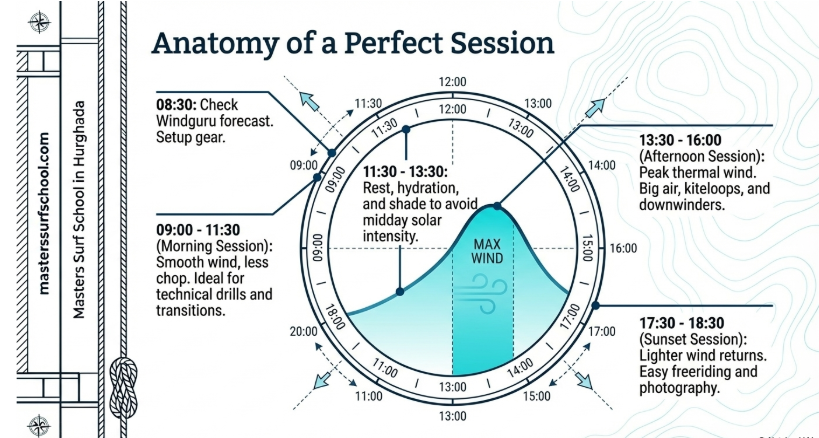
- June–August: Hottest months (air 35–40°C). Strongest thermal winds (afternoons best). Water 27–30°C. Early mornings are ideal for beginners before the wind fully kicks in.
- September–October: Still peak conditions but slightly cooler air. Water remains warm (26–28°C). Winds 18–25 knots. September is especially popular for kite safaris.
- November: Shoulder season. Winds 12–18 knots, less predictable. Water 23–25°C. Fewer crowds, more space at kite spots.
- December: Winter begins. Winds 10–15 knots. Water 21–22°C. Shorty wetsuit recommended. Quieter beaches.
5. Where are the best kitesurfing spots in Egypt? 🏝️
Egypt offers several world‑class kitesurfing locations along the Red Sea coast. Each spot has unique characteristics:
- Hurghada & El Gouna: The most popular destinations. Hurghada’s Al Ahyaa Lagoon offers shallow, flat water perfect for beginners. El Gouna features protected lagoons with steady winds and excellent schools.
- Dahab: Famous for its Blue Lagoon – a remote spot with turquoise flat water and stronger, cleaner winds. Also offers wave riding in the Gulf of Aqaba.
- Sahl Hasheesh: A hidden gem just south of Hurghada with sandy beaches and consistent thermal winds.
- Marsa Alam: Gaining popularity for its shallow, crystal‑clear waters and spectacular coral reef views.
- Zaafarana: A secluded desert spot just two hours from Cairo, known for open spaces and minimal crowds.
All these spots benefit from the same peak season (May–October), though Dahab enjoys a slightly longer season from March to November.
6. How much does kitesurfing in Egypt cost? (prices updated 2026) 💰
Kitesurfing in Egypt is generally affordable compared to Europe or the US. Here are typical prices (USD) for 2026:
| Course / Service | Duration | Price (USD) |
|---|---|---|
| Introductory course (2 hours) | 1 day | $63–$97 |
| Basic course | 7 hours (2–3 days) | $300 |
| Full advanced course | 12 hours (3–4 days) | $500 |
| 6‑hour beginner course | 1 day | $340–$350 |
| Private lesson (9 hours) | 1 day | Varies by school |
| Kite safari (7 days) | All‑inclusive | Contact operators for pricing |
What’s typically included: hotel transfer, certified instructor (IKO), all equipment (kite, board, harness, wetsuit if needed), and beach access. Many schools offer group discounts – for example, a 2‑person introductory course costs around $150 total.
💡 Pro tip: Peak season (May–October) may have slightly higher prices, but the consistent wind makes every session worthwhile. Book lessons in advance for the best availability.
7. What injections do I need for Egypt (Hurghada)? 💉
No mandatory injections are required for entry into Egypt unless you are arriving from a yellow‑fever‑endemic area. However, health authorities recommend several vaccinations for your protection:
Recommended vaccinations for most travellers:
- Hepatitis A (spread through contaminated food/water)
- Typhoid (especially if eating street food or staying in rural areas)
- Tetanus (ensure your booster is up to date)
Additional considerations for longer stays or higher risk:
- Hepatitis B
- Rabies (if you plan close contact with animals)
- Polio
The CDC and WHO advise consulting a travel health clinic 4–6 weeks before departure to discuss your itinerary and personal health history. Standard travel insurance that includes medical evacuation is strongly recommended.
⚠️ This information is for guidance only. Always consult a qualified healthcare professional for personalised medical advice before travelling.
8. Can you swim with dolphins in Hurghada, Egypt? 🐬
Yes, you can absolutely swim with wild dolphins in Hurghada. The famous Dolphin House is an open‑sea location where wild spinner dolphins are frequently spotted. Unlike captive dolphin shows, this experience takes place in the dolphins’ natural habitat.
What to expect on a dolphin‑swimming tour:
- Duration: 6–9 hours, typically starting with hotel pickup around 8:00 am
- You’ll travel by boat to Dolphin House (about 80 minutes each way)
- Once there, you can snorkel among vibrant coral reefs and swim alongside wild dolphins
- Tours include snorkelling equipment, lunch, and soft drinks
- Professional guides ensure safe and respectful interactions
Tours run daily and are suitable for children aged 5–6 and above. Prices vary but typically include all equipment and transfers. This makes for a perfect non‑kiting day during your Hurghada kitesurfing holiday.
✅ Practical Checklist: Planning Your Kitesurfing Trip to Hurghada
| Task | When to Do It |
|---|---|
| Choose your travel dates (best: May–October) | 3–6 months before |
| Book your kitesurfing course (IKO‑certified school) | 2–3 months before |
| Arrange flights to Hurghada International Airport (HRG) | 2–3 months before |
| Check vaccination recommendations with your doctor | 6 weeks before |
| Purchase comprehensive travel insurance | 4 weeks before |
| Pack: sunscreen, sunglasses, rash guard, hat, swimwear | Before departure |
| Arrange hotel transfer (many schools offer free pickup) | 1 week before |
| Download offline maps and emergency contacts | Before departure |
🎯 Ready to Ride? Your Next Steps
Now you know exactly when to plan your kitesurfing hurghada season adventure. The May–October window offers the most reliable wind, warmest water, and best conditions for learning or progressing your skills.
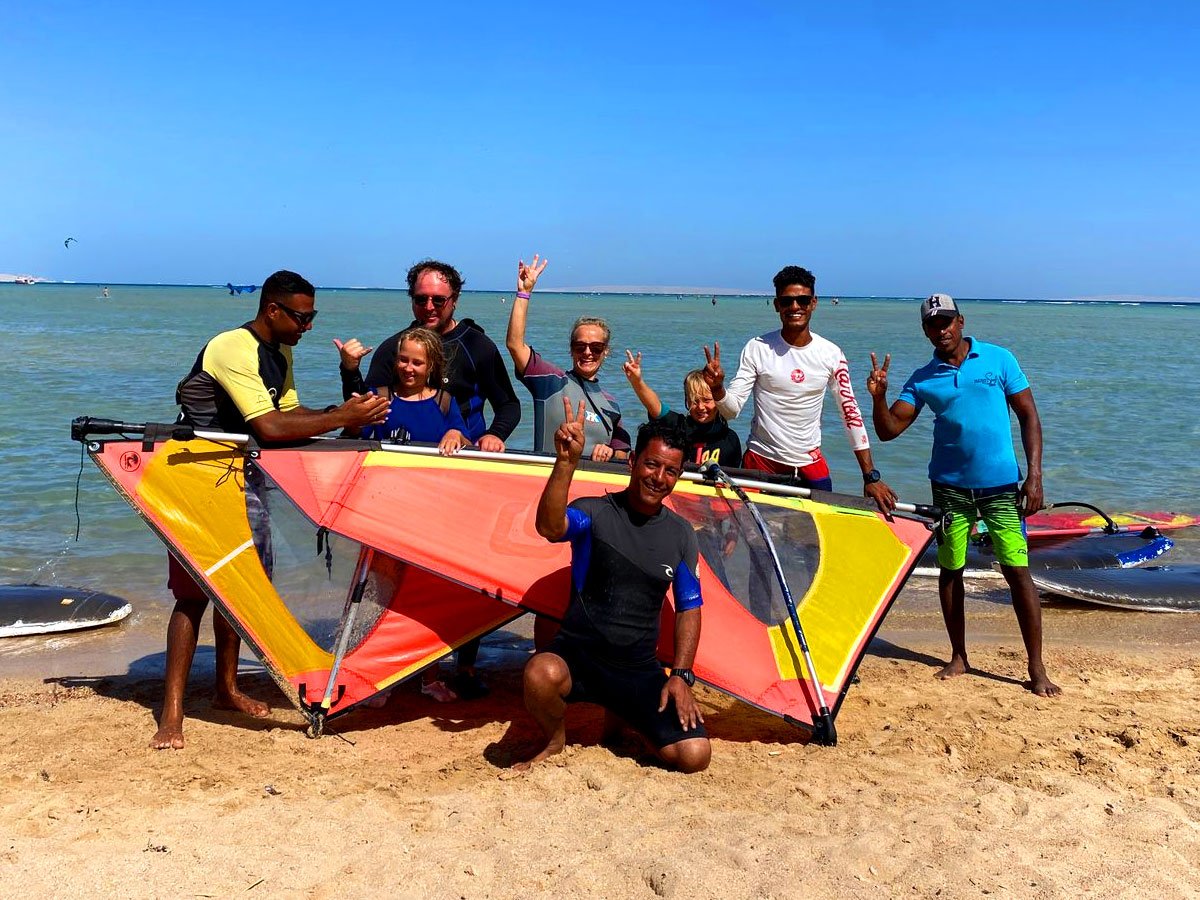
Masters Surf School
Red Sea Governorate,
Secondary phone: +201272284800
Email: masters.surfschool@gmail.com
📞 Take action today: Contact Masters Surf School or another IKO‑certified school in Hurghada to check availability, compare course packages, and secure your spot. Many schools offer complimentary hotel transfers and high‑quality equipment – so all you need to bring is your sense of adventure!
Disclaimer: All prices and conditions mentioned are accurate as of 2026. Always verify current information with your chosen school and travel health professional before booking.

[…] Egypt kitesurfing season runs year‑round, but the prime window for beginners is April through October. During peak season, […]
[…] thermal winds (15–25 knots), shallow flat-water lagoons, and warm water year-round. The 2026 season runs from March to November, with peak conditions May through October. IKO-certified schools such as […]