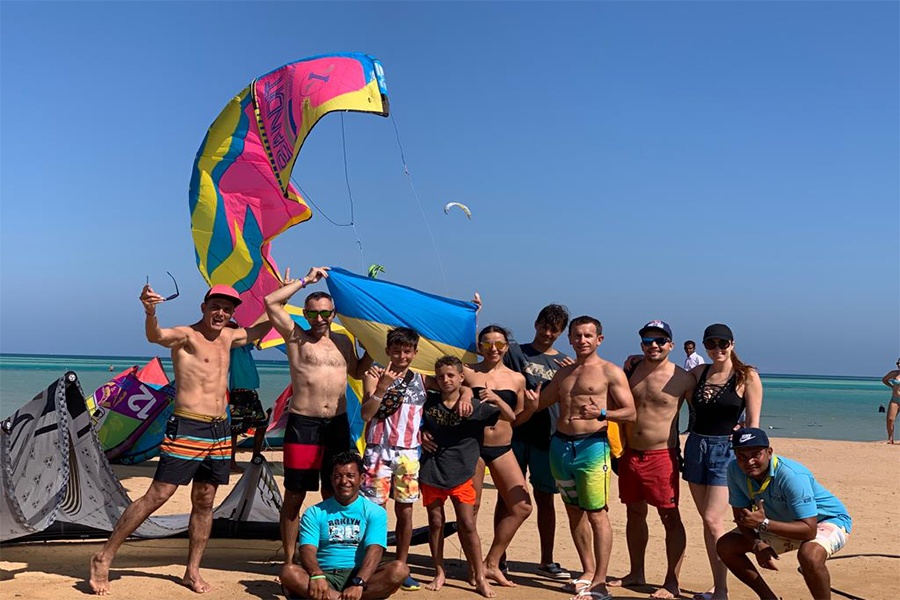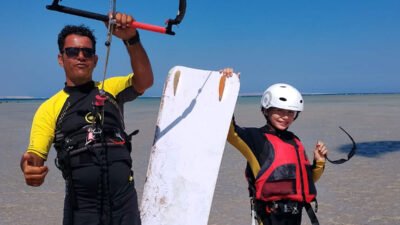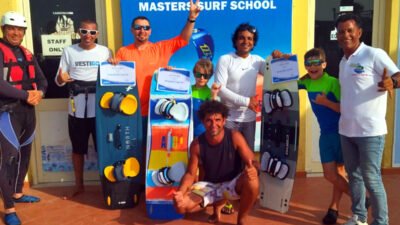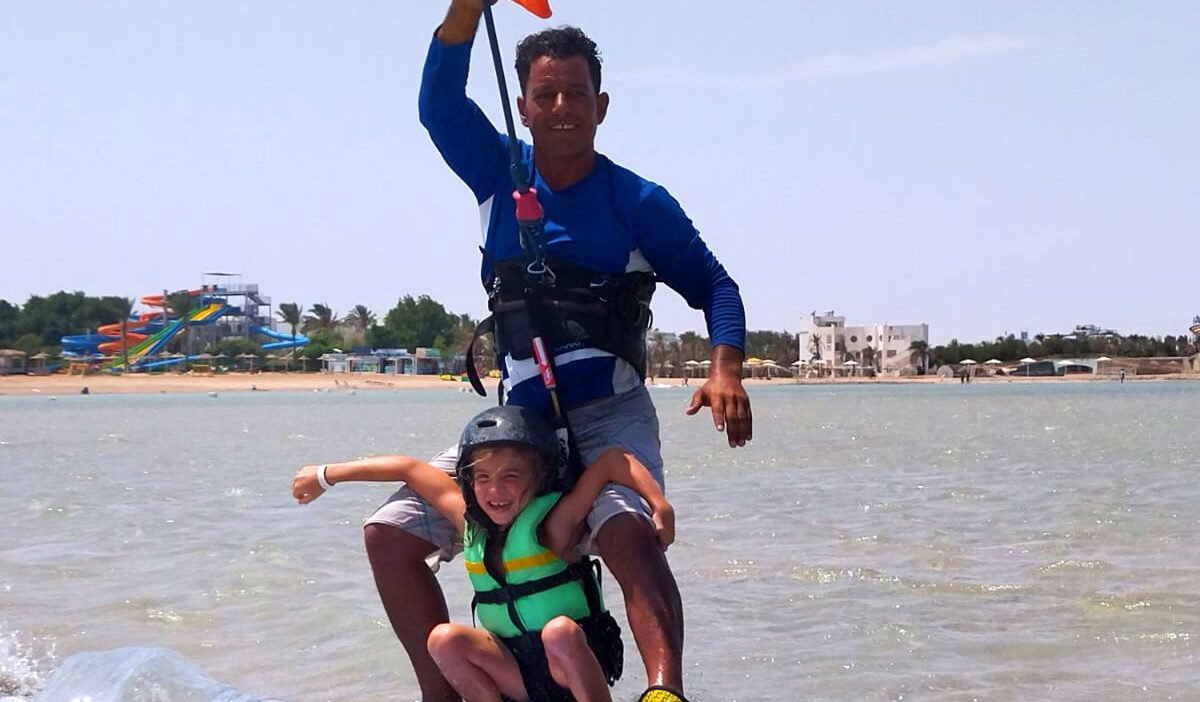
Learning to kite surf in Hurghada is easier than you think. The Red Sea offers warm, shallow lagoons and consistent winds 250+ days per year, making it one of the world’s top spots for beginners. This guide covers everything you need: the best season (April–October), safest spots (Al Ahyaa Lagoon), essential safety rules, step‑by‑step learning phases, current prices, gear tips, and advanced adventures like kite safaris and remote camps. Follow these expert tips to master kite surfing faster and safer.
🪁 Why Hurghada is Ideal for Learning to Kite Surf
Hurghada combines three elements that make kitesurfing progression fast and enjoyable: consistent thermal winds, warm shallow lagoons, and a long kite season.
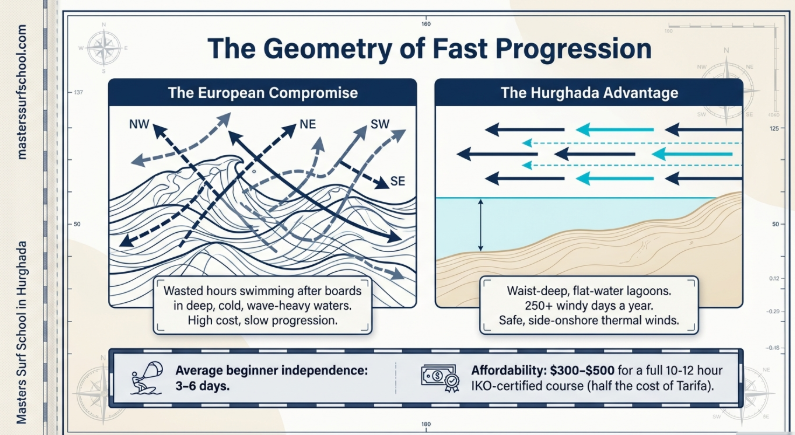
From May to October, the Red Sea delivers 18–25 knot daily winds with water temperatures of 26–30°C — you don’t need a wetsuit. The shallow water areas are waist‑deep with sandy bottoms, letting you stand up easily and focus on kite control without fear of deep water or strong waves. With over 300 sunny days per year and winds blowing reliably from late morning until sunset, Hurghada consistently ranks among the most forgiving environments on earth to learn this sport.
🗓️ Egypt Kitesurfing Season: When to Go for Best Conditions
The Egypt kitesurfing season runs year‑round, but the prime window for beginners is April through October. During peak season, you can expect steady thermal winds of 18–25 knots daily, water at 26–30°C, and air temperatures around 25–35°C. March and November are excellent shoulder months with 15–22 knot winds, milder air, and fewer crowds. Even in winter (December–February), you can still learn with 12–18 knot winds and water at 20–22°C, though a light wetsuit is recommended. For the most reliable conditions and fastest learning curve, book your trip between May and October.
📍 Best Kitesurfing Spots in Hurghada for Beginners
🏝️ Masters Surf School Lagoon
The Masters Surf School, located Titanic Hotel, Sahl Hashish Rd, Red Sea Hurghada city center, is the premier spot for beginners. This large sheltered body of water is separated from the open Red Sea by a reef break, which cancels waves and creates a flat, shallow surface. The waist‑deep water has a sandy bottom — no coral to worry about — and the wind is consistently side‑onshore, pushing you gently toward the beach rather than out to sea.
🏖️ Magawish Beach
Magawish Beach is the only surf spot in Hurghada featuring unobstructed winds with Caribbean‑style sandbanks. The wide riding area provides plenty of space for beginners to practice without feeling crowded.
🌊 Other Beginner‑Friendly Spots
The shallow lagoons north of town and the spots near El Gouna are equally forgiving and photogenic. Many schools, including Masters Surf School, operate from private beach areas with dedicated training zones, rescue boats, and observation towers for added safety.
🛡️ Essential Safety Tips for Kite Surfing in Hurghada
Safety is the foundation of learning to kite surf. Follow these essential rules:
- Always take lessons from IKO‑certified instructors. Never attempt to learn on your own. Proper courses teach kite setup, safety systems, and how to handle emergencies.
- Understand your quick‑release system. Before entering the water, practice releasing the kite instantly. This one skill can prevent serious accidents.
- Never launch or land alone. Always work with an instructor or beach assistant. Crowded beaches with limited space can be dangerous for launches.
- Check wind conditions before each session. Avoid offshore winds that blow you away from land. Stick to side‑onshore or side‑shore winds, which are typical in Hurghada’s lagoons.
- Protect yourself from the sun. UV exposure is intense year‑round. Use waterproof sunscreen (SPF 50+), wear a rash guard, and consider sunglasses and a wide‑brim hat for beach breaks.
- Use appropriate footwear. Some beaches have coral and rocks near launch areas. Neoprene booties protect your feet while you learn.
📚 How to Kite Surf: A Step‑by‑Step Learning Guide
Kitesurfing follows a logical progression. Here is what you will learn in a typical course:
Phase 1: On‑Beach Foundations (Day 1)
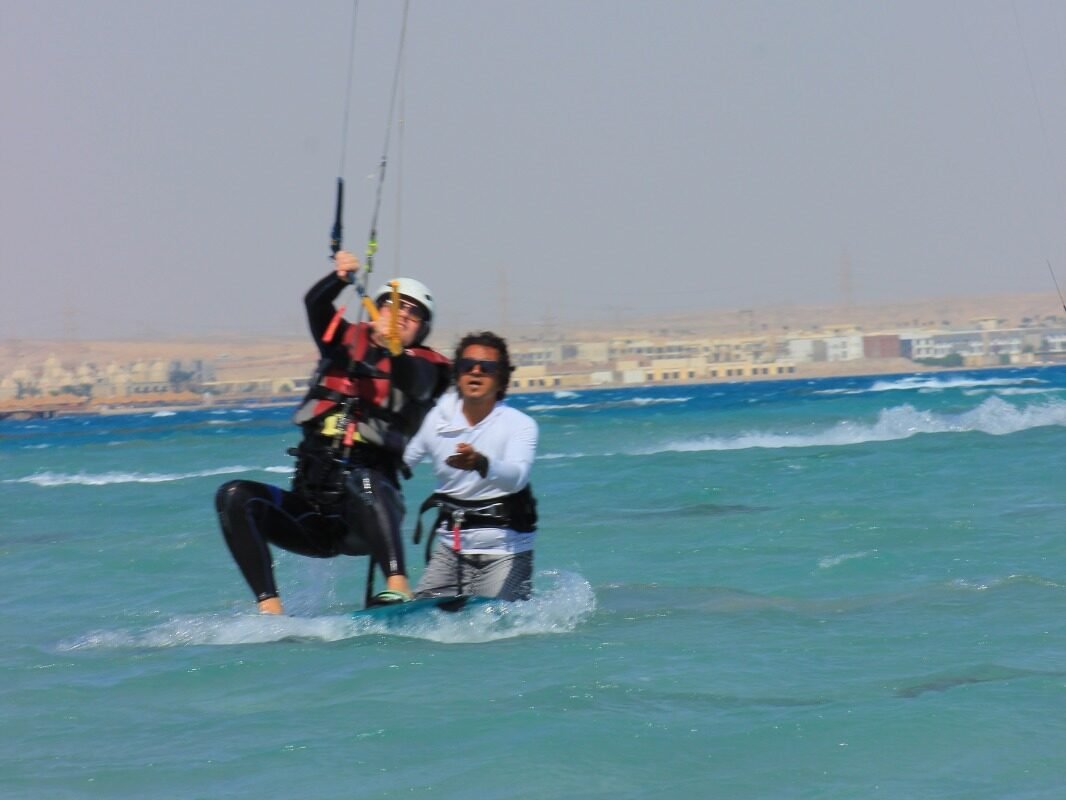
You start with a small trainer kite to understand the “wind window” — the area in the sky where the kite generates power. You learn safety systems (how to release the kite instantly), launching and landing techniques with instructor assistance, and basic kite control. Lessons begin on the beach, where instructors teach fundamentals before you enter the water.
Phase 2: Body Dragging in Shallow Water (Day 2)
Once you control the kite confidently, you enter the water to learn body dragging — letting the kite pull you through the water without a board. This teaches you how to generate power and move upwind. The shallow lagoon environment allows you to stand up easily at any time, removing fear and accelerating learning.
Phase 3: Board Starts and Riding (Day 3)
You add the board, learning the “water start” technique to get on the board and ride. By the end of a 3‑day course (9–12 hours of instruction), most students ride independently in both directions and begin learning to turn. Some fast learners start riding after just 6 hours; others may need more time — this is completely normal.
🎒 Egypt Kitesurfing Camp Options
Kitesurfing camps in Egypt range from budget‑friendly to luxury experiences. Popular options include:
- Masters Surf School — A benchmark center with year‑round sunshine, warm waters, and reliably strong winds.
- Masters Surf School Soma Bay kite camp — Located south of Hurghada, offering fall 2026 programs for beginners to advanced riders.
Masters Surf School
Red Sea Governorate,
Secondary phone: +201272284800
Email: masters.surfschool@gmail.com
Most camps include accommodation, daily lessons, equipment rental, and meals. A typical week‑long camp costs around €1,000 all‑inclusive.
🏝️ Kite Safari Egypt: The Ultimate Adventure
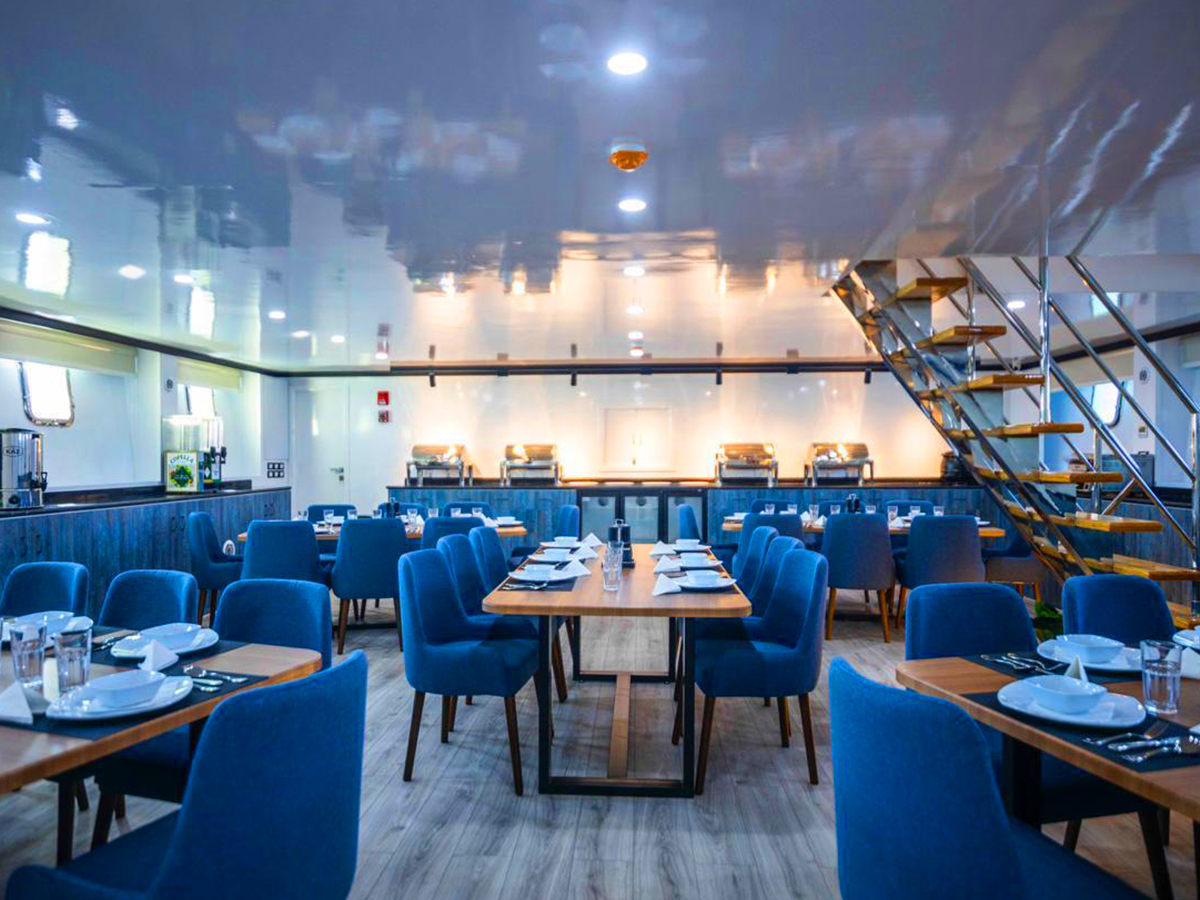
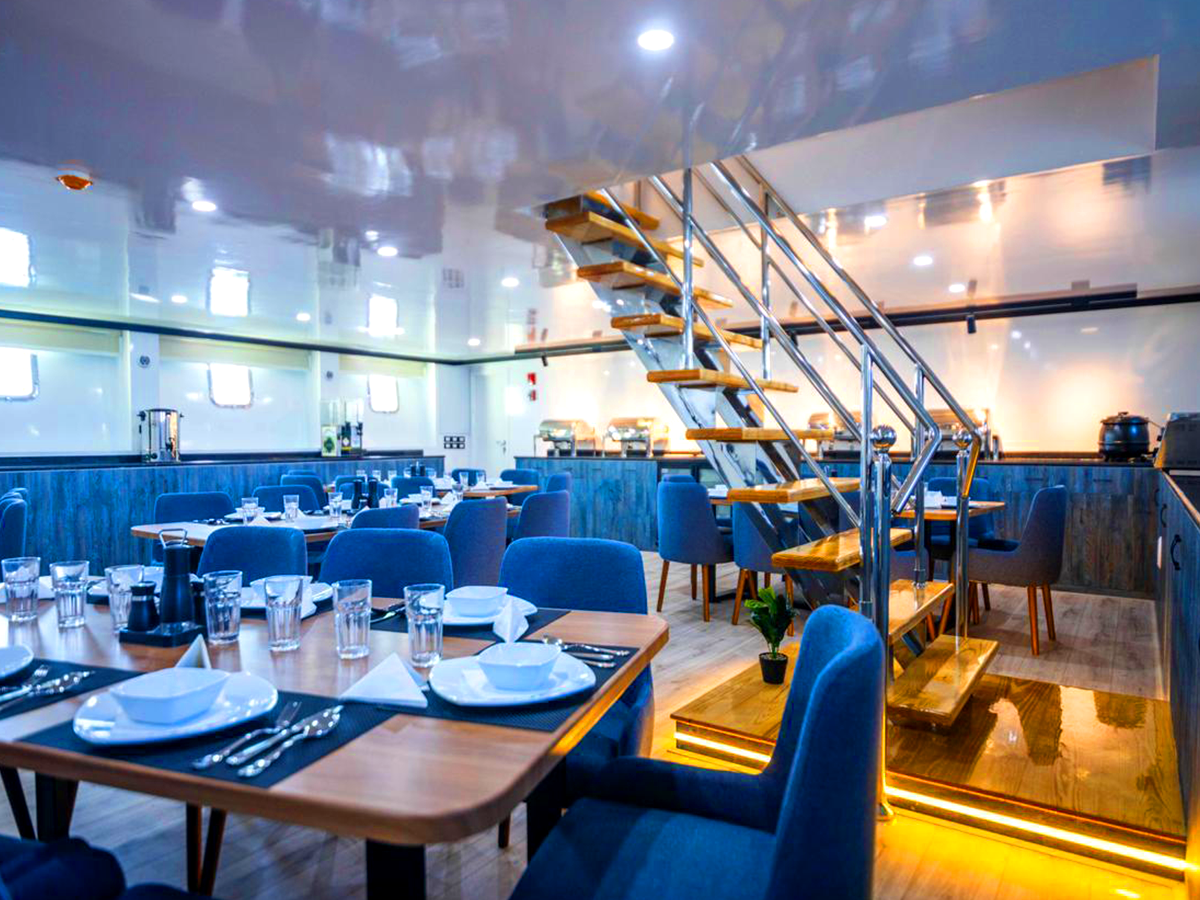
A kite safari is a week‑long liveaboard trip on a luxury motor yacht that takes you to remote islands unreachable from land. You wake up each morning at a new spot with perfectly flat turquoise water, consistent wind, and no crowds. Popular islands include Tawila, Geisum, and Ashrafi — famous for their butter‑flat lagoons and crystal‑clear water.
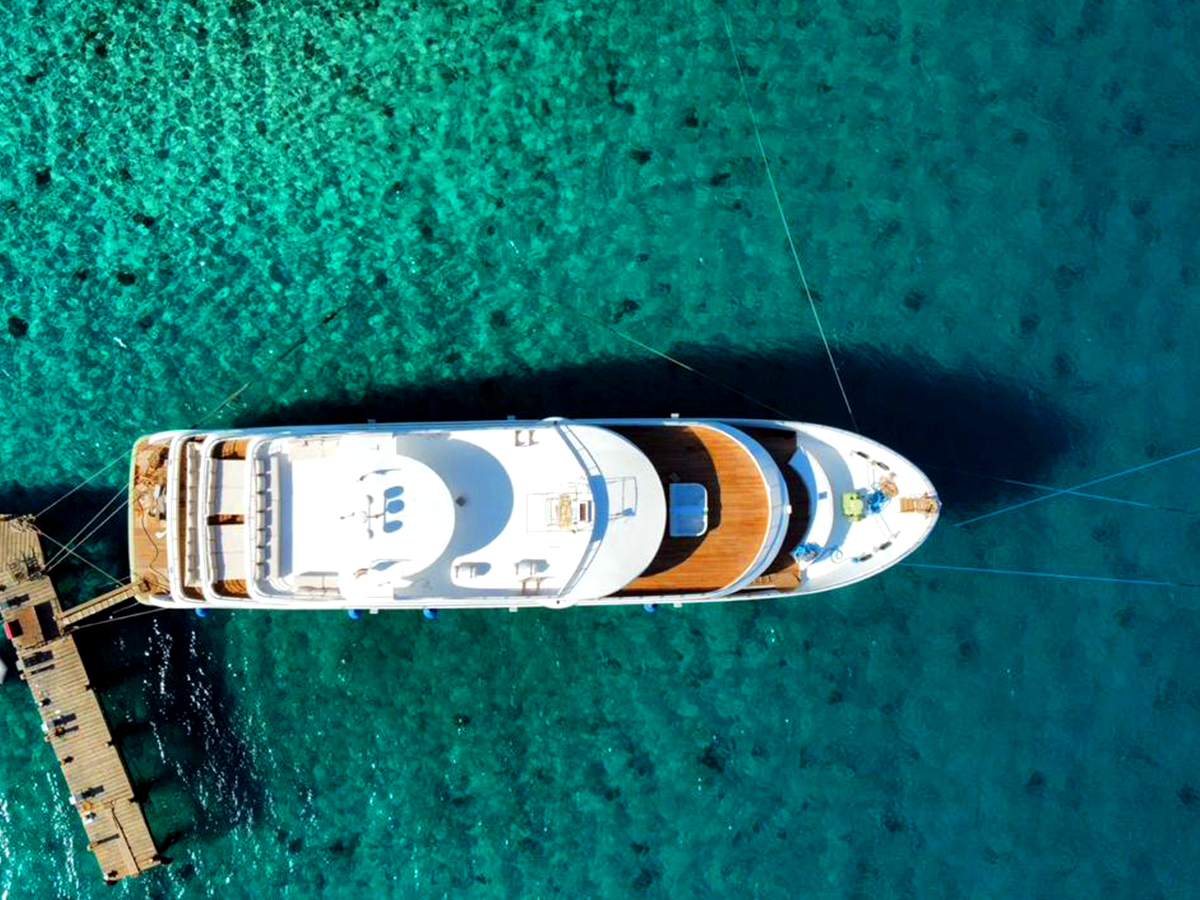
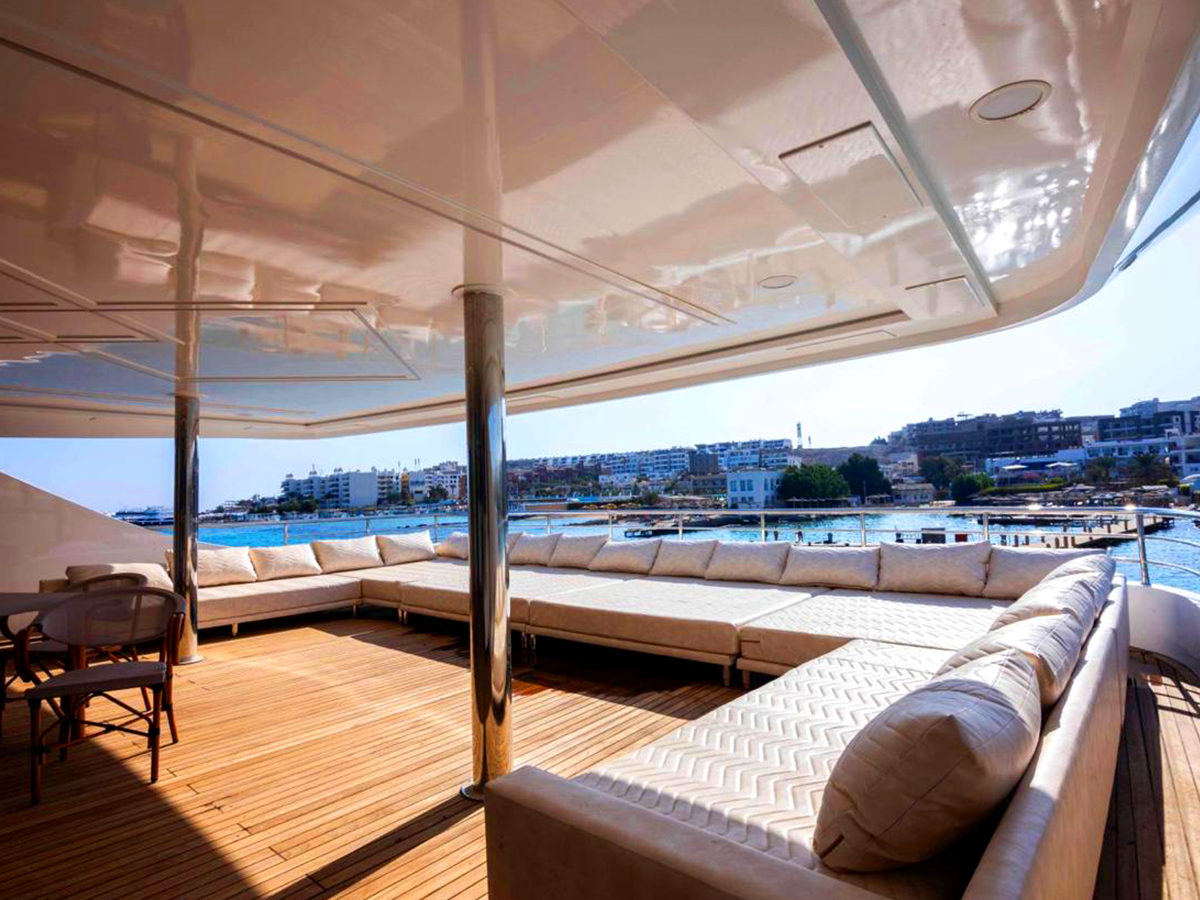
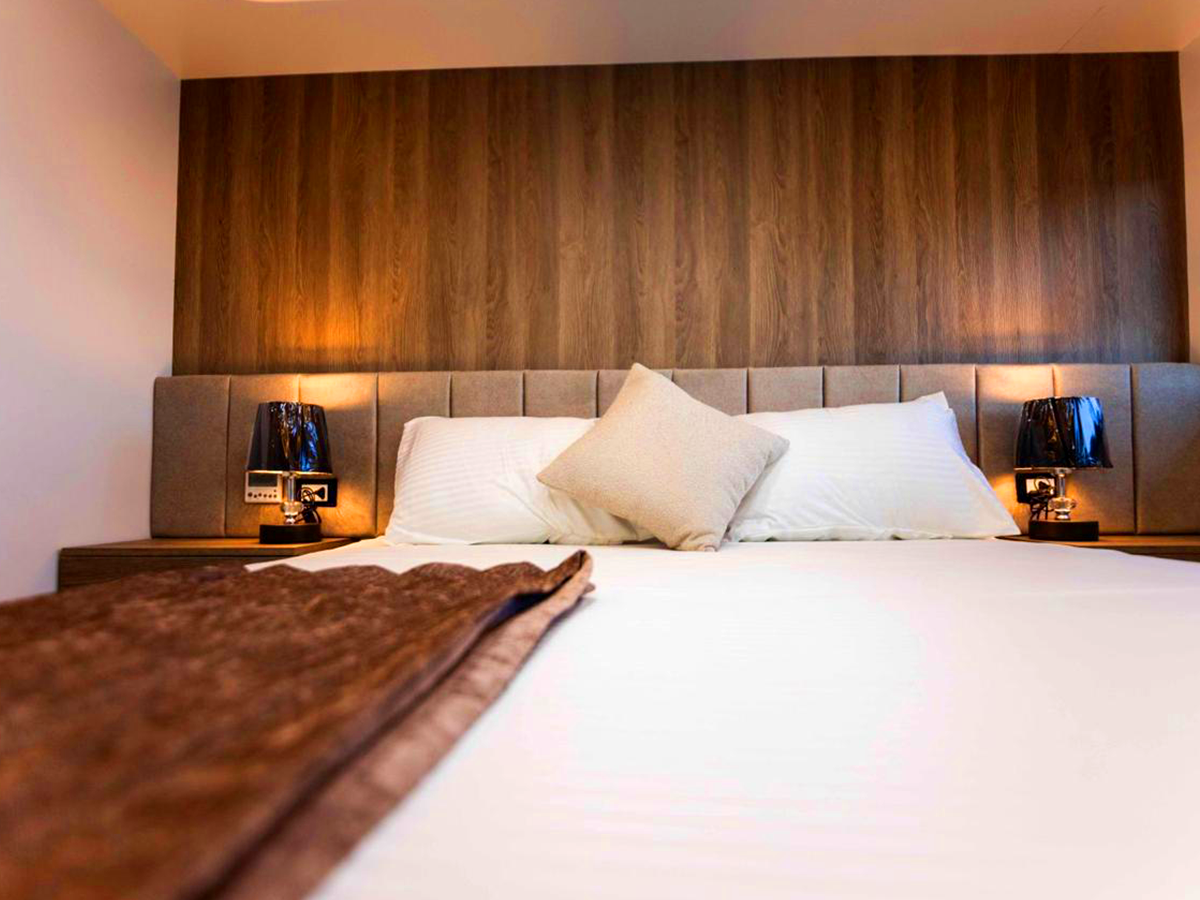
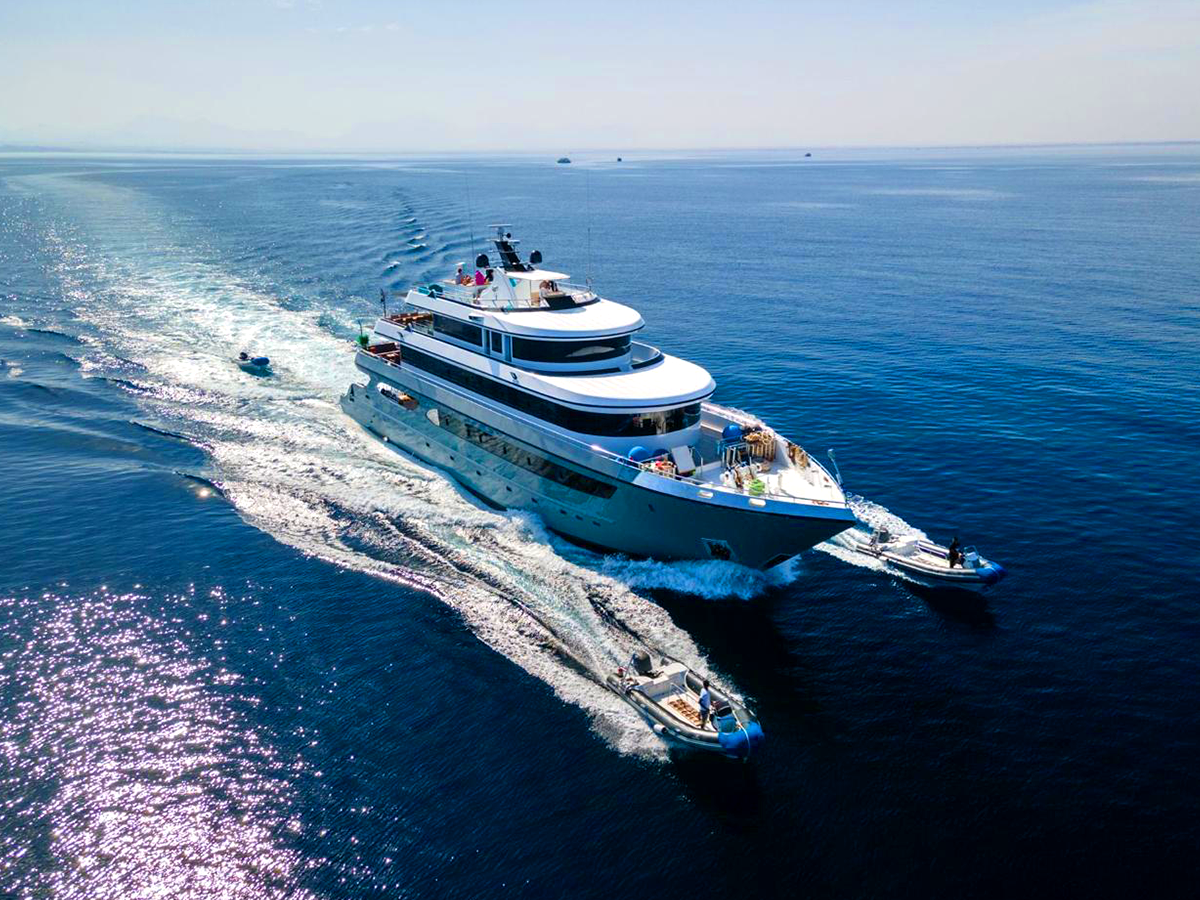
2026 kite safari pricing:
- Standard safari: €950–€1,250 per person (7 nights all‑inclusive)
- Luxury safari: higher price includes premium yacht, gourmet meals, and top‑tier service
What’s included: Full board (3 meals daily, snacks, soft drinks), double cabin with AC and private bathroom, kite guiding, and rescue services.
Not included: Flights, visa, marine park fee (approx. €130), tips for crew, and alcoholic beverages.
Kite safaris operate from March to November, with peak conditions May–October. Beginners are welcome on many safaris, though basic riding experience is recommended.
🌬️ Other Egypt Kitesurfing Spots Worth Knowing
While Hurghada is the focus, other Egyptian spots offer unique conditions:
🏜️ Ras Sudr
Located on the Suez Gulf, Ras Sudr features wide sandy beaches, shallow lagoons, and constant winds reaching 31 km/h. The kite season runs April–September with wind certainty above 80% from March–October. The Soul Kitesurfing Centre offers IKO‑certified instruction and equipment rental. Ras Sudr is closer to Cairo (210 km) than Hurghada, making it convenient for short trips from the capital.
🏝️ Kite Village Hamata
Kite Village Hamata, located south of Marsa Alam, offers one of Egypt’s largest lagoons — approximately 2×3 kilometers of knee‑deep water with no coral and warm temperatures. The area is ideal for beginners and intermediates, with constant winds and crystal‑clear water. The community motto is “Hakuna Hamata,” reflecting a laid‑back, welcoming atmosphere.
🏄 Dahab
Dahab features fantastic mountain scenery and a safe lagoon suitable for beginners to pro riders, with rolling waves and swell in the Gulf of Aqaba’s open sea.
🧰 Gear Tips: What to Bring and What to Rent
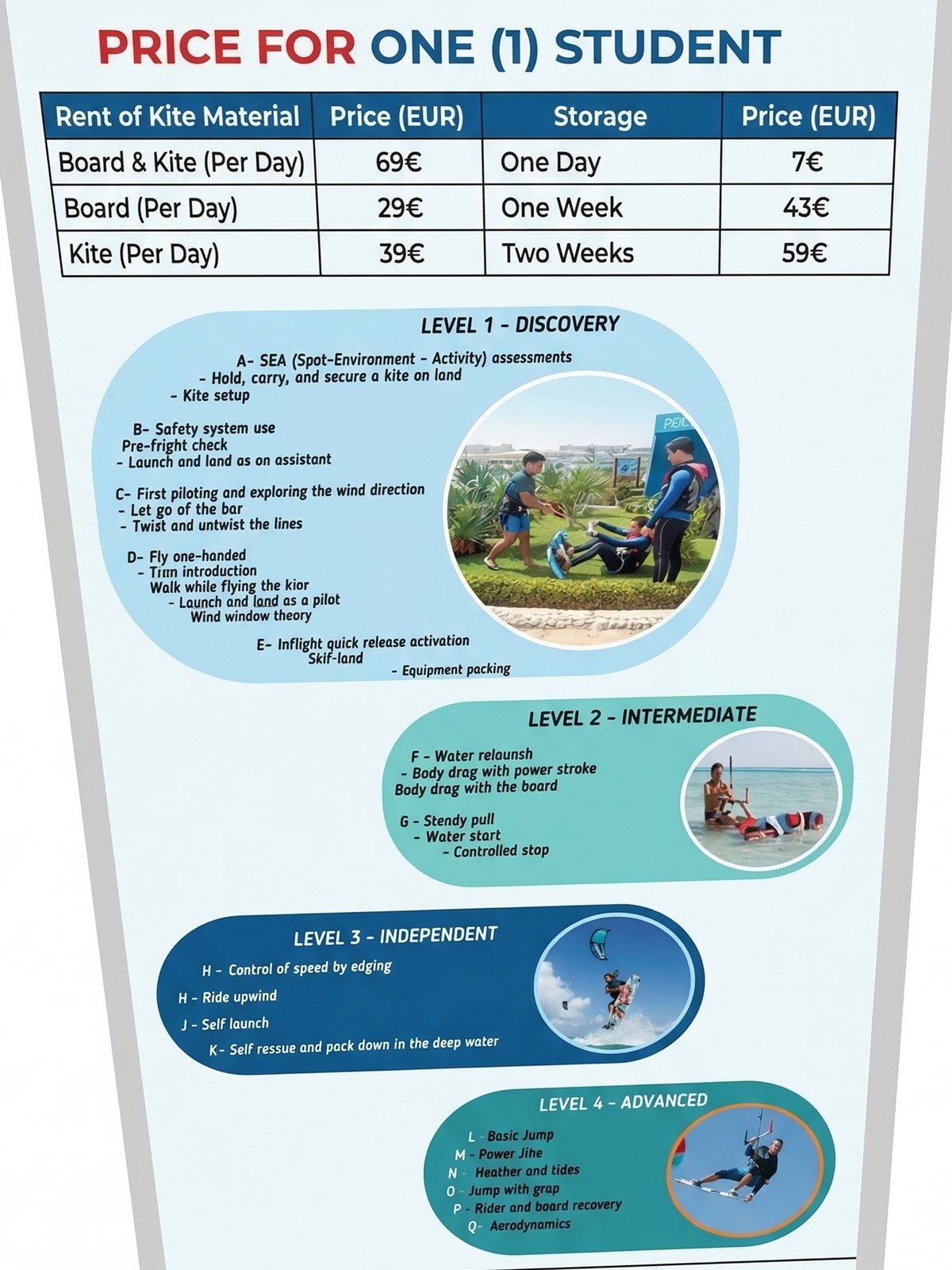
For your first lessons, you don’t need to buy anything — schools provide all equipment. However, owning certain personal items improves comfort:
| Item | Why It’s Important | Cost (if buying) |
|---|---|---|
| Rash guard (lycra top) | Protects from sun and harness friction | $20–40 |
| Neoprene booties | Protects feet from coral and hot sand | $30–60 |
| Waterproof sunscreen SPF 50+ | UV is intense year‑round | $10–20 |
| Sunglasses with strap | Reduces glare on water | $15–30 |
| Impact vest (optional) | Extra flotation and padding | $50–100 |
Kitesurfing equipment price Egypt for buying your own gear: a complete new setup ranges from $1,500 to $3,500. Rental is more economical for most beginners, costing $60–110 per day for a full package.
✅ Key Takeaways for Beginners
- 🌊 Best season: April–October for 18–25 knot winds and 26–30°C water
- 🏝️ Best spot for learning: Al Ahyaa Lagoon — waist‑deep, flat, sandy bottom
- 🛡️ Safety first: Always take IKO‑certified lessons, use quick‑release systems, never launch alone
- 📚 Learning curve: Most students ride independently after 9–12 hours (3–4 days)
- 💰 Budget: Basic 7‑hour course from $300; weekly camp around €1,000
- 🎒 Don’t buy gear first — rent while learning, then decide
- 🏝️ Level up with a kite safari — remote islands, flat water, consistent wind
❓ Hurghada Kite Surf Tips (FAQ)
Yes. Hurghada’s shallow lagoons with waist‑deep water and consistent side‑onshore winds provide one of the safest and fastest learning environments in the world.
Most beginners become independent after 9–12 hours of instruction, typically spread over 3 to 4 days. Some learn faster; others need more time — this is normal.
May through October offers the strongest and most consistent winds (18–25 knots daily). April and November are also excellent with slightly milder conditions.
A basic 7‑hour course costs around $300. A full 12‑hour course ranges from $500–$600. Group lessons are more economical than private instruction.
No. All reputable kite schools provide full equipment — kite, board, harness, helmet, and impact vest — as part of the lesson price.
A kite safari is a week‑long liveaboard yacht trip to remote Red Sea islands like Tawila and Geisum. You ride untouched flat‑water lagoons, sleep on board, and wake up at a new spot each day. Prices start from €950.
Pack rash guards, neoprene booties, waterproof sunscreen SPF 50+, sunglasses with strap, a hat, and swimwear. Wetsuits are usually provided by schools if needed.
🎯 Your Next Step: Start Your Kite Surfing Journey Today
The wind is waiting, the water is warm, and Hurghada’s world‑class conditions are ready for you. Whether you choose a 3‑day beginner course at Masters Surf School, a week‑long kite camp in Soma Bay, or an adventurous kite safari to the Red Sea’s remote islands, Egypt offers the best value for money in the global kitesurfing market.
Don’t wait — peak season from April to October fills up quickly. Contact an IKO‑certified school in Hurghada today to secure your place. Book your beginner course now and be riding independently within one week. Check availability and claim your early booking discount today!