Improve Your Windsurfing Skills: The Ultimate Guide to Intermediate Windsurfing Hurghada
Intermediate windsurfing in Hurghada accelerates your progression through ideal environmental factors. The region delivers consistent, year-round thermal winds and vast, flat-water lagoons. These safe, shallow areas eliminate the fatigue of uphauling and allow continuous practice of essential techniques. By focusing on waterstarts, early planing, and harness commitment, you will confidently transition into an advanced freeride sailor.
Why Intermediate Windsurfing Hurghada Excels 🌊
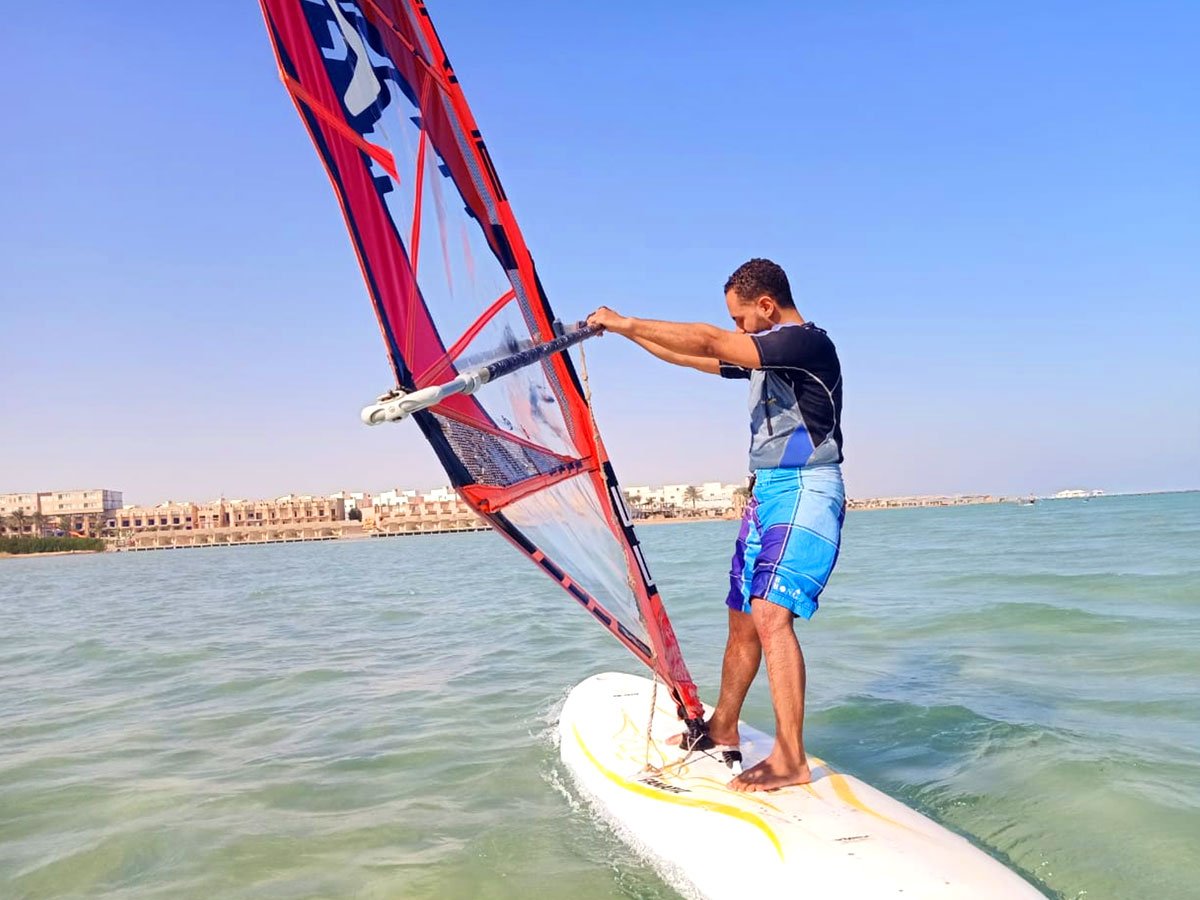
Hurghada stands out globally for water sports progression. The local geography creates a perfect training ground for intermediate sailors.
Perfect Wind Conditions and Flat Water
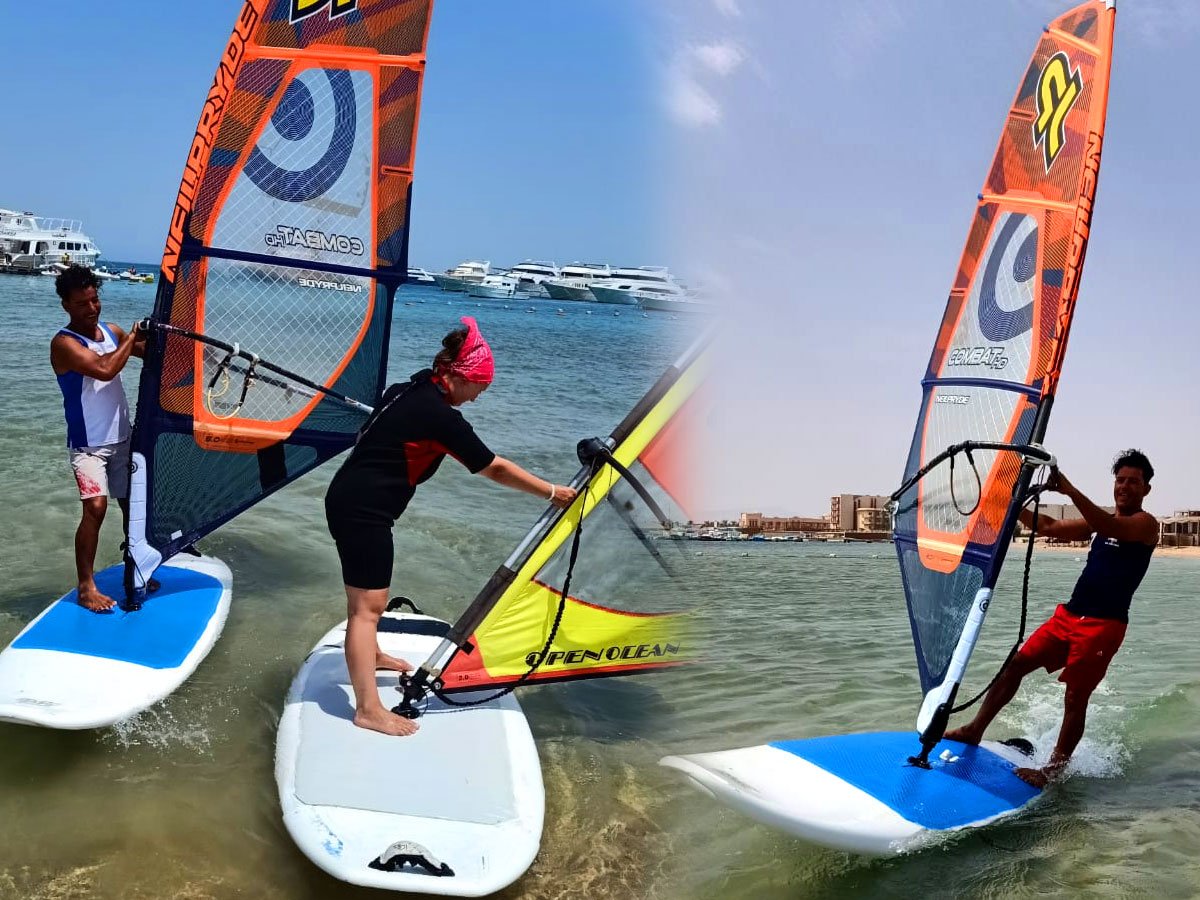
The Red Sea coast benefits from a strong thermal wind effect. The desert heats up rapidly, pulling cool air from the sea. This creates reliable, cross-shore or cross-onshore winds. Intermediate windsurfing Hurghada relies on this consistency. You need steady wind to practice planing and footstrap techniques. Gusty winds make balancing difficult. Hurghada’s smooth airflow allows you to lock into your harness and focus purely on board trim.
The Advantage of Shallow Lagoons
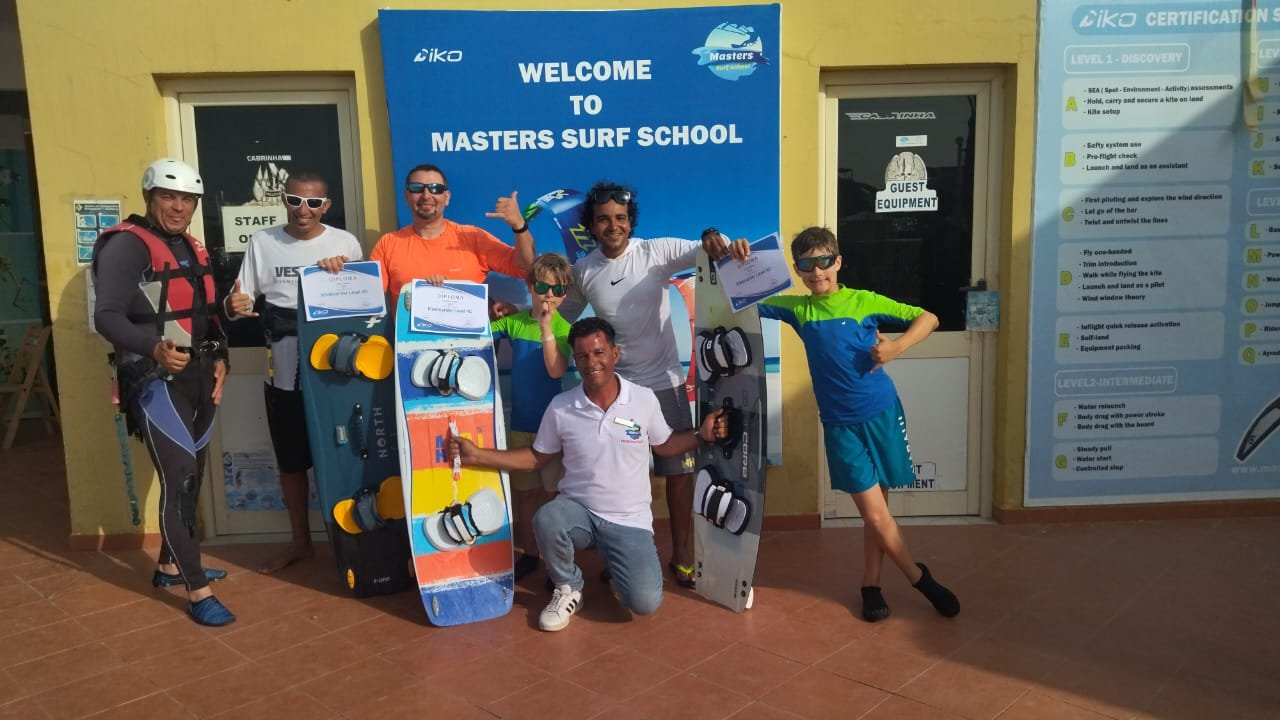
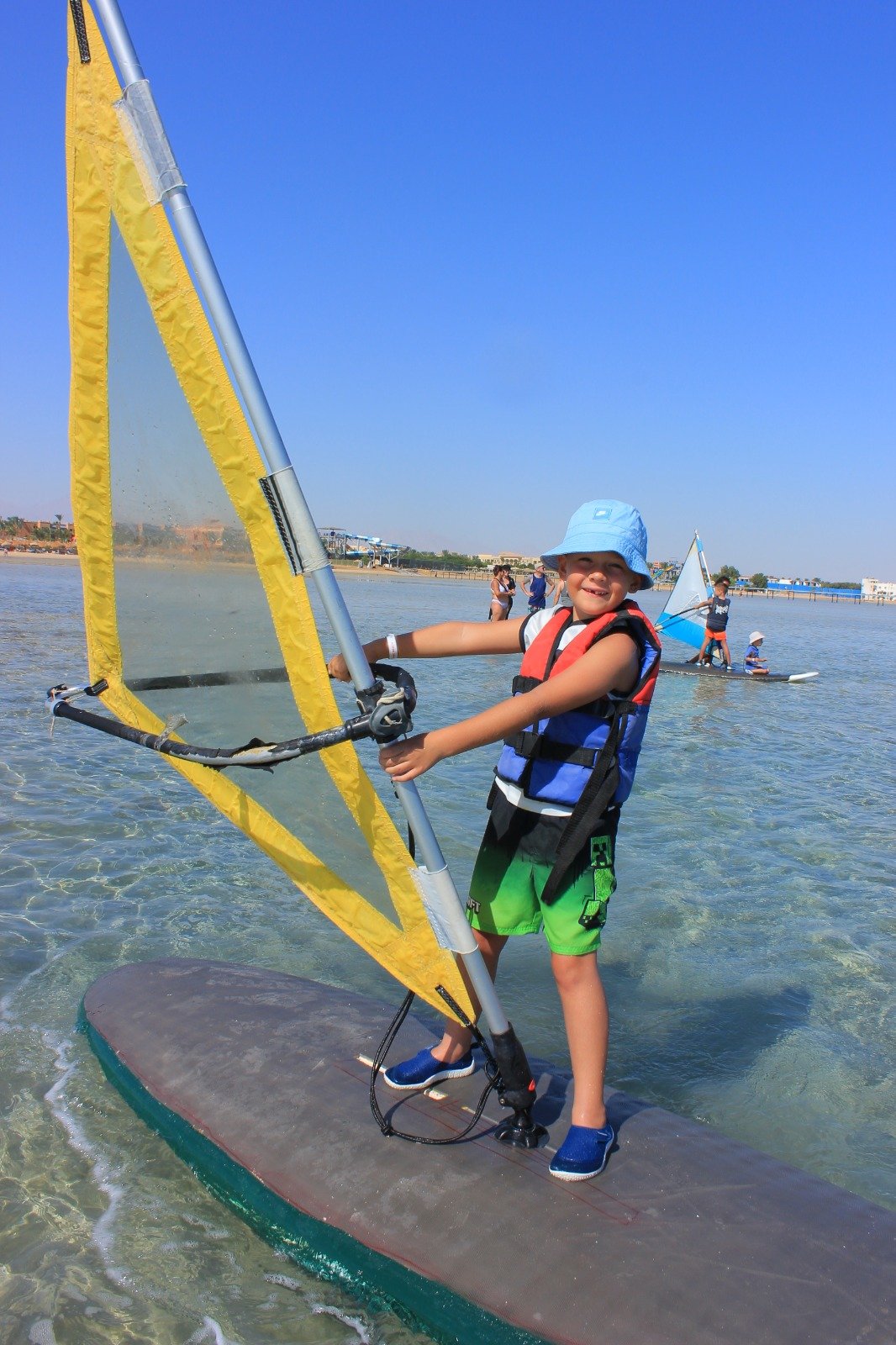
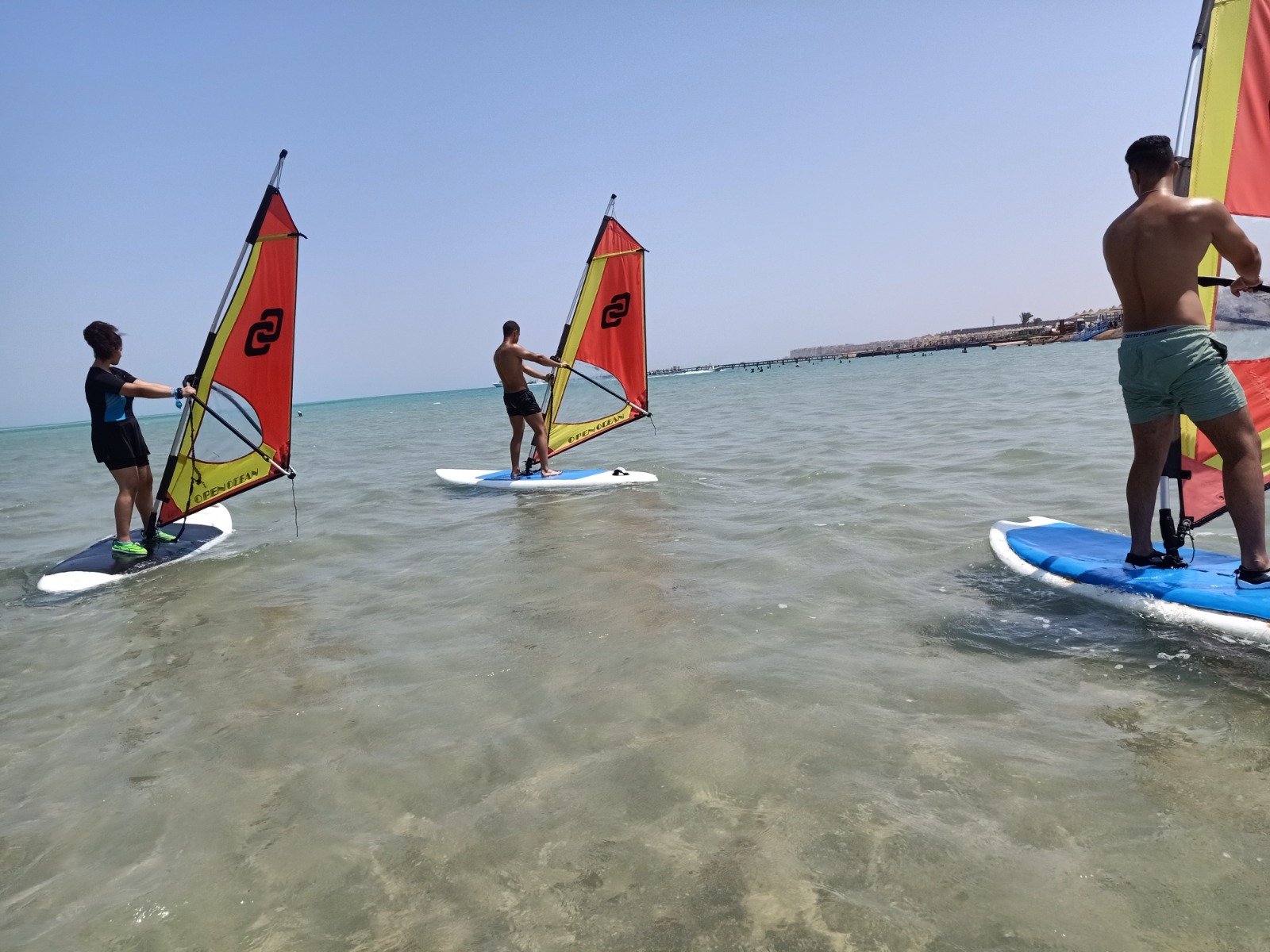
Deepwater progression exhausts intermediate sailors. Falling means uphauling a heavy sail repeatedly. Hurghada features expansive, waist-deep lagoons. If you fall, you simply stand up. You preserve energy. You can immediately attempt your waterstart or maneuver again. Masters Surf School operates in these ideal lagoon environments. Their locations ensure you spend your time actually sailing, rather than recovering from falls.
Essential Techniques for Intermediate Windsurfers 🏄
Your focus now shifts from basic sailing to dynamic, high-speed maneuvers. Master these core skills to graduate from intermediate status.
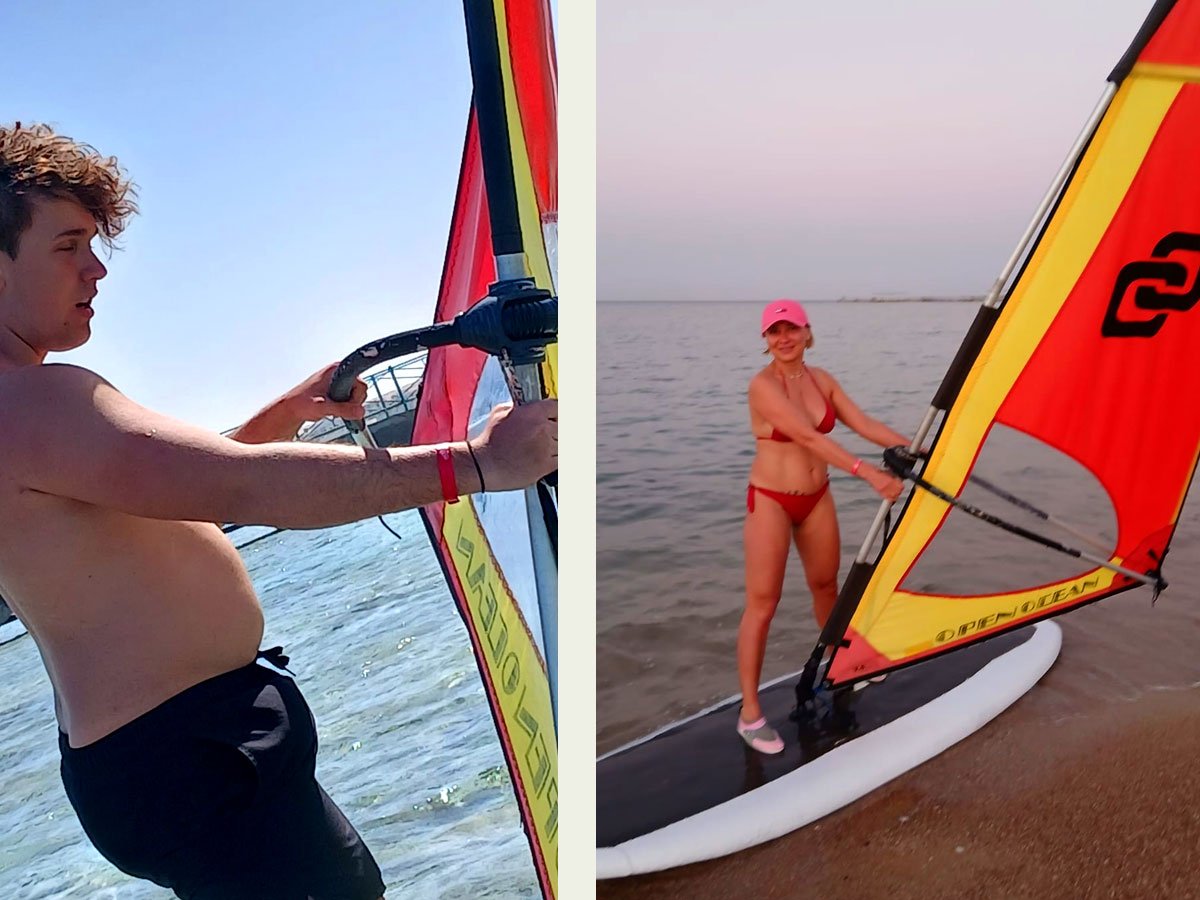
Mastering the Waterstart
Uphauling wastes energy in strong winds. The waterstart is mandatory for high-wind sailing and smaller boards.
- Position the Gear: Swim the board so it sits across the wind. The mast should point slightly downwind.
- Clear the Sail: Lift the mast slightly. Let the wind catch the underside of the sail to clear it from the water.
- Place the Feet: Place your back foot on the centerline of the board, between the footstraps. Keep your front foot treading water.
- Sheet In and Rise: Extend your arms straight up. Sheet in with your back hand. Let the wind pull your body upward and forward over the board.
- Shift Weight: As you rise, transfer your weight onto your back foot. Step your front foot onto the board near the mast base.
Hurghada’s warm waters (averaging 23°C to 28°C) make waterstart practice comfortable. You can spend hours in the water without a wetsuit in the summer months.
Achieving Consistent Planing
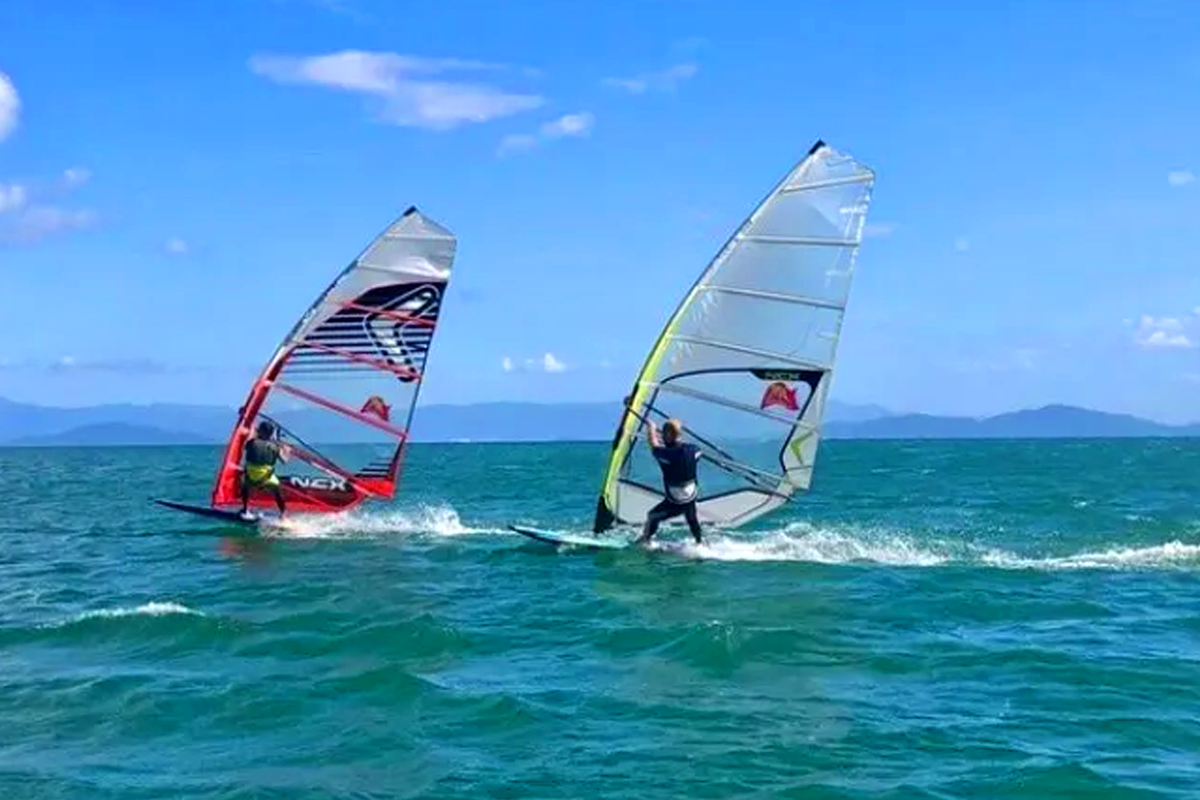
Planing transforms windsurfing from a balancing act into an adrenaline sport. The board lifts over the bow wave and skims the surface.
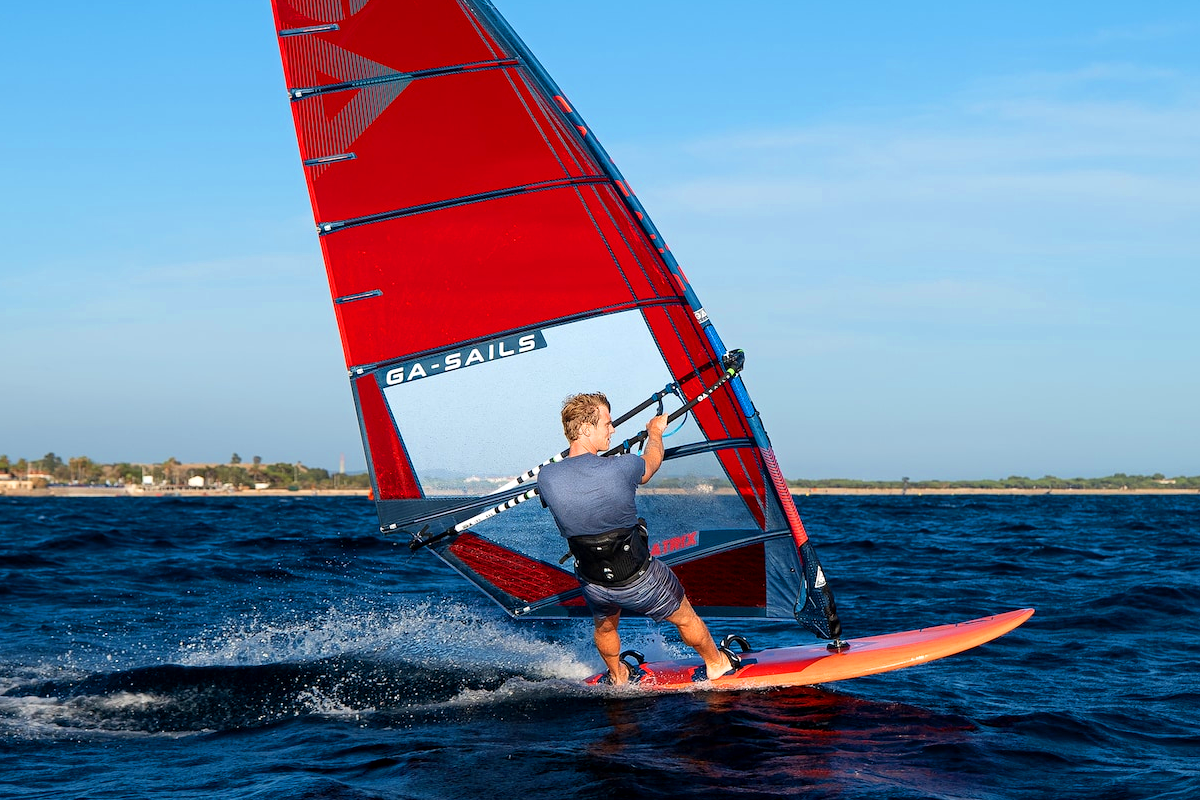
- Commit to the Harness: Hook into your harness early. Let your body weight counteract the sail’s pull.
- Mast Foot Pressure: Drive weight down through the boom into the mast base. This keeps the board flat.
- Step Back Gradually: Move your front foot behind the mast track. Keep your weight forward. Slowly move your back foot backward.
- Bear Away: Steer the board slightly off the wind. This increases your apparent wind speed and breaks the board free from water drag.
Getting Hooked: Harness Techniques
Proper harness use prevents arm fatigue. It allows you to sail for hours.
- Harness Line Setup: Position lines exactly at the sail’s center of effort. If your front arm burns, move lines forward. If your back arm burns, move them back.
- Line Length: Intermediate sailors benefit from slightly longer lines (28-32 inches). This provides room to hook in and out safely.
- The Hook-In: Bring the sail close to your body. Drop your hips quickly to catch the line in your harness hook. Lean back instantly to lock the tension.
The Carve Jibe (Gybe)
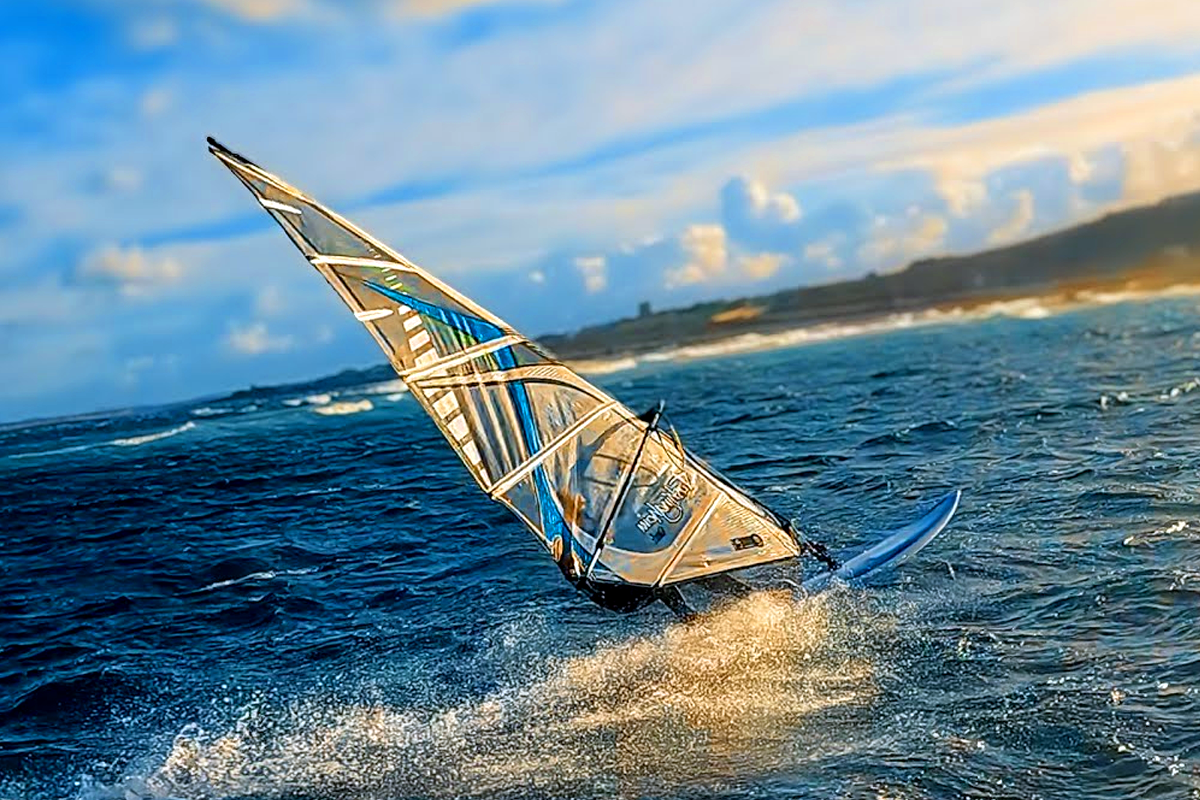
The carve jibe is the holy grail of intermediate windsurfing. It allows you to change direction without losing planing speed.
- Preparation: Unhook from the harness. Take your back foot out of the strap and place it on the leeward rail.
- The Carve: Bend your knees. Drive your weight into your back foot toes. The board will bank and carve downwind.
- Sail Flip: As you pass straight downwind, release your back hand. Let the sail rotate forward.
- Foot Change: Step your front foot back. Move your carving foot forward near the mast base.
- Sheet In: Grab the boom on the new tack. Sheet in aggressively to regain power and pull out of the turn.
Practicing the jibe requires flat water. Chop bounces the board and disrupts the carve. Hurghada’s protected bays provide the ideal smooth surface for jibe training.
Choosing the Right Gear for Progression ⚙️
Equipment heavily influences your learning curve. Using beginner gear limits your speed. Using advanced gear causes constant falls.
Board Volume and Shape
Intermediate windsurfing Hurghada demands the right board. You need enough volume to float safely, but a shape fast enough to plane easily. A good rule of thumb is your body weight in kilograms plus 40 to 50 liters. A 75kg sailor should ride a 115L to 125L board. Freeride boards are perfect. They feature wider outlines for stability and inboard footstrap positions for easier entry.
Sail Size for the Red Sea
Hurghada winds typically range from 15 to 25 knots. Intermediates should focus on no-cam freeride sails. These sails are lightweight, easy to rig, and simple to flip during a jibe. A quiver consisting of a 5.5m², 6.5m², and 7.5m² covers almost all Hurghada conditions. Masters Surf School provides high-quality, up-to-date equipment. You can swap gear constantly as the wind fluctuates throughout the day.
Top Spots for Intermediate Progression in Hurghada 📍
Location dictates your success rate. You must choose spots that minimize hazards and maximize practice time.
Masters Surf School Locations
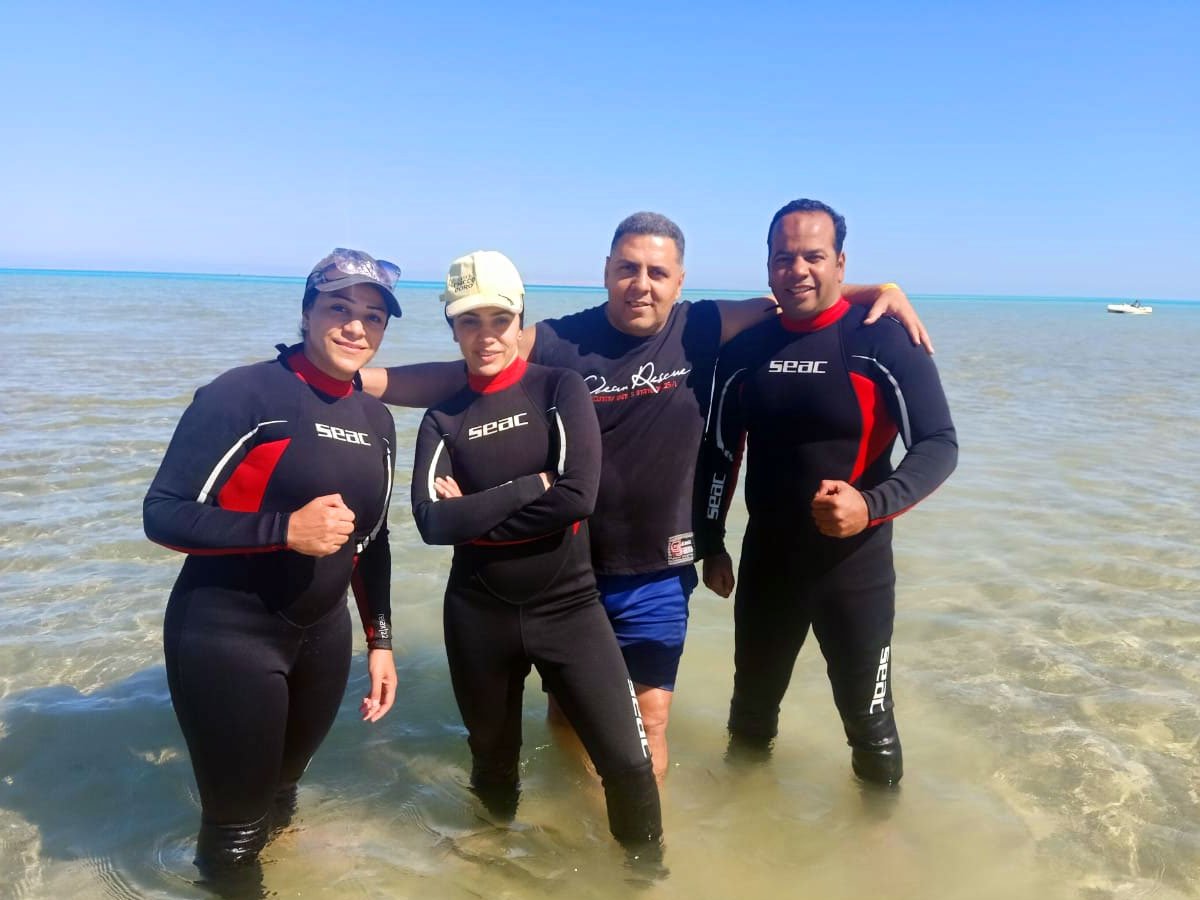
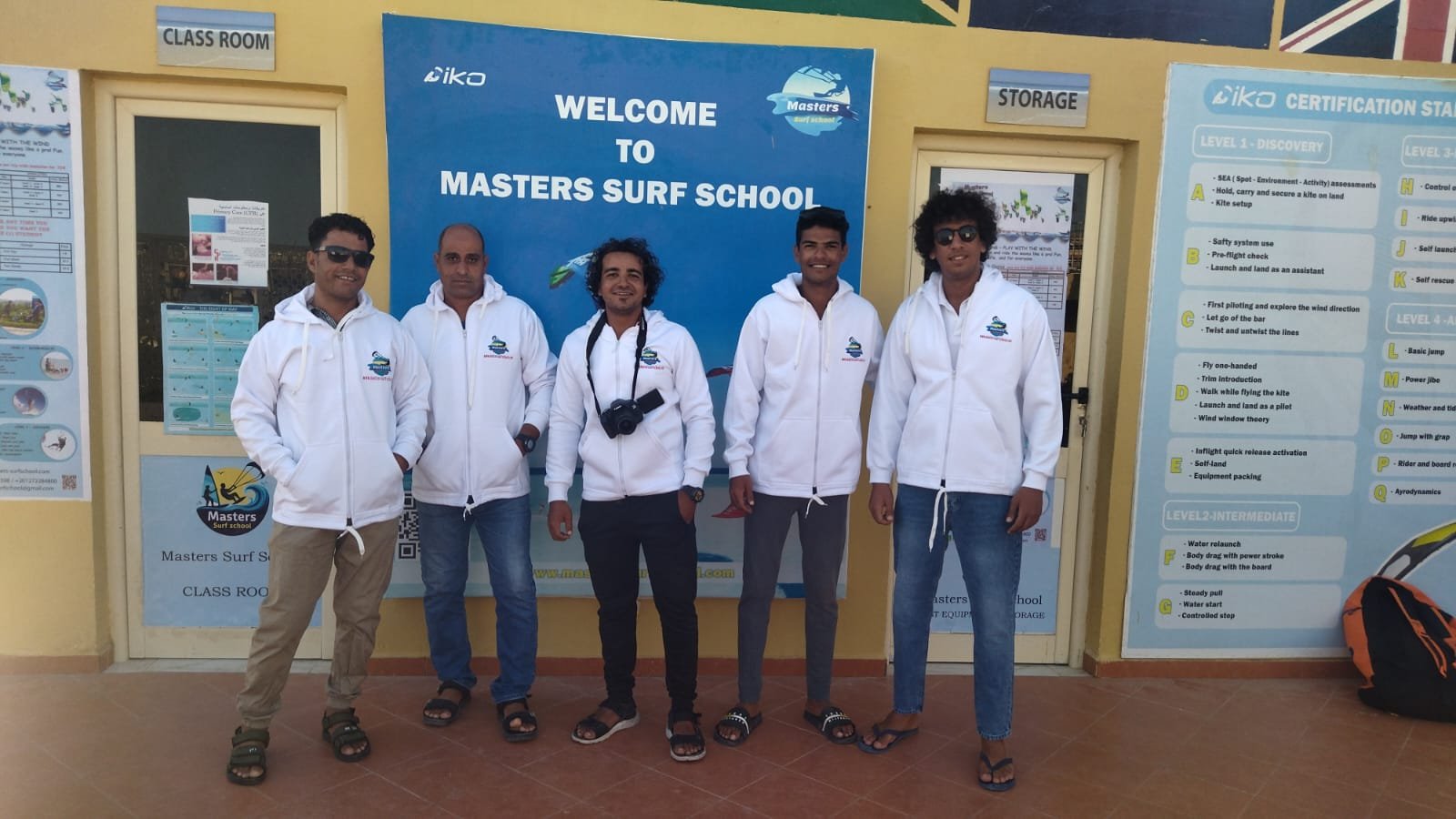
Masters Surf School operates over 4 locations along the Red Sea coast. This geographical spread ensures access to the best conditions regardless of wind direction. Their centers feature direct access to shallow, sandy-bottom lagoons. You avoid coral reefs and deep-water currents. The centers also offer rescue boats, ensuring total safety if you drift downwind.

Red Sea Governorate,
Secondary phone: +201272284800
Email: masters.surfschool@gmail.com
URL: https://masterssurfschool.com/
Safety and Support
The Red Sea requires basic safety awareness. Always sail within designated zones. Respect the reef boundaries. Wear water shoes if sailing near scattered coral heads. Sun protection is critical. Wear a long-sleeve UV rash guard and waterproof sunscreen. The Egyptian sun remains intense year-round.
Physical Preparation and Injury Prevention 🧘♂️
Windsurfing demands core strength, stamina, and flexibility.
- Core Strength: Planks and rotational exercises improve your ability to hold sail power.
- Flexibility: Stretching your lower back and hamstrings prevents harness-related stiffness.
- Hydration: Drink water constantly. The dry desert air causes rapid dehydration, leading to muscle cramps.
Key Takeaways / Progression Checklist ✅
Focus on these milestones to elevate your intermediate windsurfing in Hurghada:
- [ ] Consistently waterstart in varying wind strengths.
- [ ] Hook into the harness without disrupting board trim.
- [ ] Smoothly slide both feet into the footstraps while planing.
- [ ] Maintain planing speed through wind lulls by adjusting stance.
- [ ] Initiate and complete a basic carve jibe.
- [ ] Sail upwind efficiently to return to your launch spot.
Hurghada intermediate windsurfing (FAQ) ❓
The most consistent winds blow from May through October. However, Hurghada offers excellent, sailable conditions year-round, making it a reliable winter escape.
Water temperatures range from 21°C (70°F) in winter to 28°C (82°F) in summer. A 3/2mm shorty or full suit is ideal for winter; boardshorts or a rash guard suffice in summer.
No. Centers like Masters Surf School provide top-tier, current-season boards and sails. Renting allows you to change sizes as the wind changes.
Yes. The lagoons are shallow with sandy bottoms. Professional centers monitor the water constantly and provide dedicated rescue boat services.
Progression varies by individual. With flat water and professional coaching, dedicated intermediates often grasp the mechanics within a one-week intensive clinic.
Absolutely. Instructors can pinpoint your exact errors. They often use video analysis to correct your body positioning during the waterstart.
The main hazards are shallow coral patches outside the sandy lagoons and intense sun exposure. Always heed local center advice regarding sailing boundaries.
Yes, they offer complimentary hotel transfers. This eliminates logistical stress, allowing you to focus entirely on your windsurfing progression.
intermediate windsurfing hurghada Ready to Elevate Your Windsurfing? 🚀
Stop struggling with deepwater uphauls and gusty, unpredictable winds. The Red Sea is calling. Take advantage of the perfect flat-water lagoons, consistent thermal breezes, and expert IKO-certified coaching. Book your progression clinic with Masters Surf School today and finally conquer the carve jibe and confident planing. Your ultimate windsurfing breakthrough awaits in Egypt.

[…] Intermediate Windsurfing Hurghada: Master Skills & Jibes […]