Hurghada delivers a rare combination of shallow, flat-water lagoons, reliable year-round thermal winds, and a dense network of IKO‑certified surf schools — making it one of the world’s most efficient destinations to learn kitesurfing and windsurfing. Direct flights land at Hurghada International Airport (HRG), a tourist visa costs USD 25 on arrival, and a well‑structured lesson package can have you riding independently within a week. This guide provides a step‑by‑step travel framework, explains lesson progression, profiles a leading school — Masters Surf School — and answers the most common questions about planning a surf trip to the Red Sea.
Planning your trip to Hurghada for windsurfing and kitesurfing is straightforward: fly into Hurghada International Airport (HRG), secure a tourist visa, and book a course at a certified surf school on the Red Sea coast. The area’s dependable thermal winds and flat, shallow water create a controlled environment where beginners can learn kitesurfing and Egypt windsurfing quickly and safely. Reputable centres like Masters Surf School provide IKO‑trained instructors, top‑quality rental gear, and complimentary hotel transfers, transforming your travel to Hurghada into a structured sporting holiday.
How to Travel to Hurghada to Learn Windsurfing and Kitesurfing ✈️🌊
- Why Hurghada Is a World‑Class Destination for Windsurfing and Kitesurfing 🌬️🏄
- How to Travel to Hurghada: Step‑by‑Step Travel Guide 🛂
- Learning Kitesurfing and Egypt Windsurfing: What to Expect 📚
- Choosing a Kitesurfing and Windsurfing School in Hurghada 🏫
- Accommodation and Travel Tips for Your Surf Trip 🏨
- Travel to Hurghada to Learn Windsurfing People Also Ask: Quick Answers to Common Questions ❓
- Practical Checklist for Planning Your Travel to Hurghada ✅
Why Hurghada Is a World‑Class Destination for Windsurfing and Kitesurfing 🌬️🏄
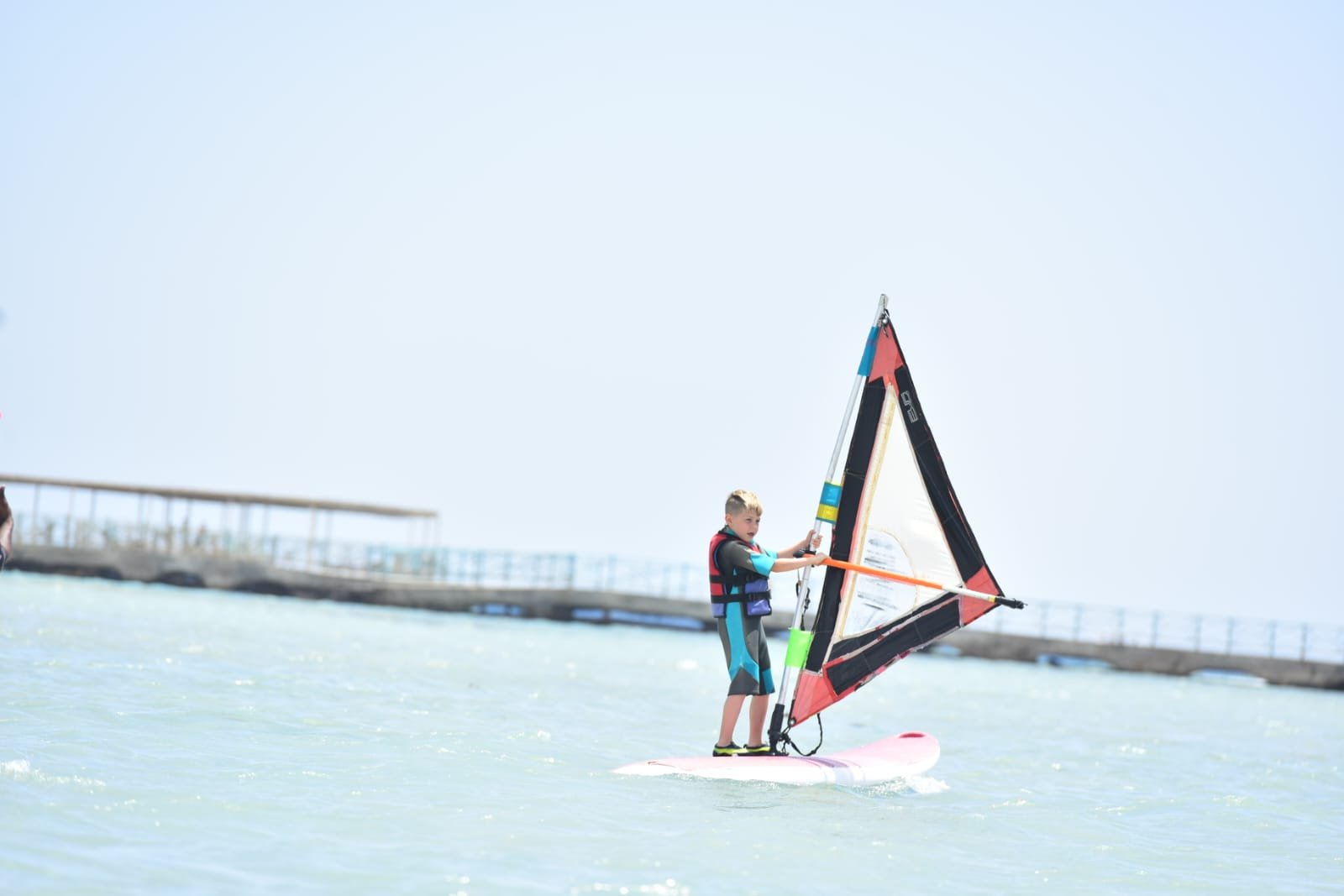
Consistent Wind Conditions and Ideal Weather
Hurghada enjoys reliable north to north‑east trade winds averaging 15 to 25 knots from March to November, driven by a thermal low over the Eastern Desert. The wind typically builds after 11:00 a.m. and remains steady until sunset, giving learners long, uninterrupted sessions. Air temperatures range from 25 °C to 38 °C in summer, while the Red Sea water stays between 22 °C and 28 °C year‑round, eliminating the need for thick wetsuits.
Shallow Lagoons and Safe Learning Environments
Shallow, waist‑deep lagoons with flat water provide a safe, controlled setting for learning kitesurfing and Egypt windsurfing, particularly in areas like Sahl Hashish. These lagoons are protected from open‑sea swells and have no shore break, allowing beginners to stand up after a fall and relaunch kites without waves interfering. Designated zones keep swimmers, snorkellers, and powered craft separate, further reducing risk.
How to Travel to Hurghada: Step‑by‑Step Travel Guide 🛂
Arriving by Air: Hurghada International Airport (HRG)
Most international visitors fly directly into Hurghada International Airport (HRG), which receives direct flights from over 100 cities in Europe, Russia, and the Middle East. Flight time from London is approximately 5 hours, while Central European hubs like Frankfurt or Vienna require around 4 hours. Major carriers include EgyptAir, TUI, easyJet, and Condor, with seasonal charter flights increasing frequency between October and May.
Visa Requirements and Entry Formalities
Tourists from the EU, UK, USA, and many other countries can obtain a single‑entry tourist visa on arrival for USD 25, valid for 30 days. Payment is made in cash (USD, EUR, or GBP) at dedicated bank counters inside the terminal before passport control. Travellers may also apply for an e‑visa online through Egypt’s official portal at least 7 days before departure. A passport valid for at least six months from the entry date is mandatory.
Best Time to Visit for Windsurfing and Kitesurfing
The optimal period to learn kitesurfing and windsurfing in Hurghada is from March to November, with peak wind strength occurring between June and September when average wind speeds exceed 20 knots on over 90% of days. May and October offer slightly lighter but still highly usable winds (14–20 knots), combined with comfortable air temperatures and lower accommodation prices. December through February brings lighter, less consistent winds, making it less suitable for progressing beginners.
Getting Around: Transfers and Local Transport
Most surf schools, including Masters Surf School, include complimentary hotel transfers for students. If you are staying independently, official airport taxis operate with fixed rates to Sahl Hashish (approx. 15–20 minutes) and Hurghada city centre. Ride‑hailing apps such as Careem function in Hurghada and often provide clearer pricing than street taxis. Always confirm the fare before starting the journey if using a standard taxi.
Learning Kitesurfing and Egypt Windsurfing: What to Expect 📚
What Does a Typical Kitesurfing Lesson Include?
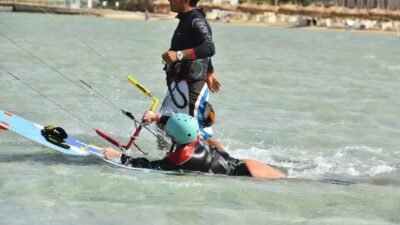
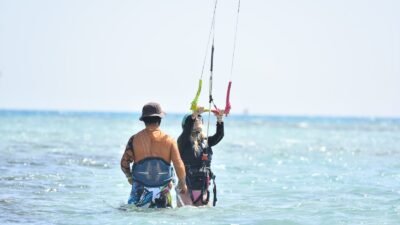
A standard kitesurfing lesson begins with a safety briefing and kite control on land, progresses to body dragging in the water, and culminates in water starts and board riding. Schools such as Masters Surf School provide all necessary equipment — kite, board, harness, helmet, and impact vest — and follow the IKO syllabus, which divides learning into Level 1 (discovery), Level 2 (intermediate), and Level 3 (independent). Private lessons last 2–3 hours and include radio helmets for real‑time instructor guidance.
How Long Does It Take to Learn Kitesurfing or Windsurfing?
Most beginners achieve independent kitesurfing (riding upwind) after 6 to 12 hours of instruction spread over 3 to 5 days. Windsurfing basics — uphauling, steering, and tacking — take a similar timeframe, though mastering the planing harness and footstraps requires an additional 10–15 hours of practice. Learning speed depends on fitness, wind conditions, and the student‑to‑instructor ratio; a 1:1 setting consistently produces the fastest progress.
Egypt Windsurfing: Mastering the Basics on Flat Water
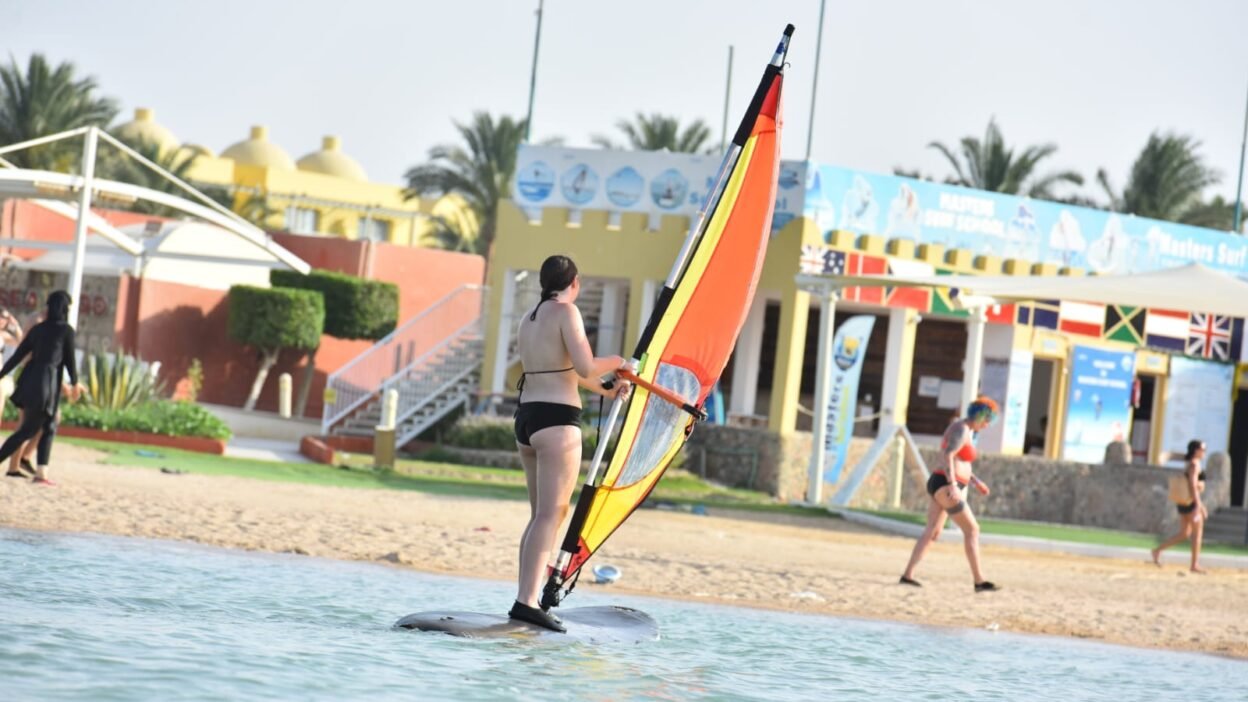
Egypt windsurfing lessons begin on wide, stable beginner boards in flat lagoons, allowing students to learn uphauling, steering, and tacking without wave interference. Instructors first teach rig control and board balance on land, then move to knee‑deep water where a simple turn brings the board back to shore. Once basic tacking and jibing are solid, the lesson introduces harness use and faster planing equipment — a progression made exceptionally efficient by Hurghada’s obstruction‑free water.
Choosing a Kitesurfing and Windsurfing School in Hurghada 🏫
What to Look for in a Surf School
Select a school accredited by the International Kiteboarding Organization (IKO) or the German VDWS. Confirm they offer rescue boat support, radio helmets for instant feedback, and maintain a low student‑to‑instructor ratio — ideally no more than 2:1 for beginner kitesurfing. Inspect equipment age and brand; newer, well‑maintained kites with modern safety systems reduce risk and accelerate learning.
Masters Surf School: Over 25 Years of Excellence in Hurghada
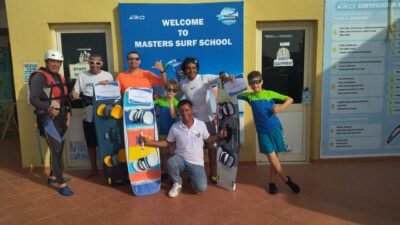
Masters Surf School, with over 25 years of experience and four locations along the Red Sea, delivers IKO‑certified instruction, top‑quality equipment, and complimentary hotel transfers — making your travel to Hurghada seamless. Its primary centre operates from the Titanic Hotel at Sahl Hashish Road, where a shallow, waist‑deep lagoon and consistent side‑onshore winds create an ideal classroom for beginners and improvers.
The school maintains a fleet of late‑model kites and windsurf boards, offers private and semi‑private lessons, and extends beyond basic teaching to catamaran sailing and guided kite safaris for those seeking variety. Instructors speak English, German, and Russian, and the 1:1 coaching model ensures rapid, safe progression.
Contact details
📍 Masters Surf School, Titanic Hotel, Sahl Hashish Rd, Hurghada 84511, Red Sea Governorate
📞 +201124823398 / +201272284800
📧 masters.surfschool@gmail.com
🌐 https://masterssurfschool.com
Accommodation and Travel Tips for Your Surf Trip 🏨
Where to Stay: From Surf Camps to All-Inclusive Resorts
Sahl Hashish and the Hurghada Marina area host a wide range of accommodation, from 5‑star all‑inclusive resorts to mid‑range hotels and dedicated surf camps. Properties situated near the lagoons, such as those along Sahl Hashish Road, reduce transfer time and allow access to the spot on foot. Many hotels partner directly with local surf schools; booking a lesson‑and‑accommodation package often secures better rates and guaranteed slots during peak months.
Packing Essentials for Windsurfing and Kitesurfing Holidays
Pack high‑SPF sunscreen (reef‑safe), a long‑sleeve rash guard, water shoes for shallow lagoons with occasional coral patches, polarized sunglasses with a retaining strap, and a lightweight windbreaker for cooler mornings. Surf schools provide all technical gear — kite, board, harness, and safety equipment. Regular kiters who wish to use their own harness and bar should check airline sports baggage policies in advance; windsurf boards can usually be rented on‑site, making travel to Hurghada lighter.
Travel to Hurghada to Learn Windsurfing People Also Ask: Quick Answers to Common Questions ❓
Yes, Hurghada’s shallow, flat‑water lagoons with no shore break and consistent wind create one of the safest environments globally for learning kitesurfing. Beginners progress quickly in waist‑deep water with professional supervision and designated zones that separate kite traffic from swimmers.
Tourists from the EU, UK, USA, and many other nations can obtain a single‑entry visa on arrival at Hurghada International Airport for USD 25, valid for 30 days. An e‑visa is also available online. A passport with at least six months’ validity is required.
June through September delivers the strongest and most consistent winds in Hurghada, regularly exceeding 20 knots, with flat lagoons and warm water. May and October are excellent shoulder months for learners seeking slightly lighter breezes and fewer crowds.
Yes, with daily 2‑ to 3‑hour lessons, most students achieve water start and short independent rides within 6 to 12 hours — a goal reachable inside one week. An intensive 5‑day course is the most popular format for travellers who want to leave as confident Level 2 riders.
How much do kite lessons cost in Hurghada?
Private kitesurfing lessons typically cost between €45 and €65 per hour, with multi‑hour packages reducing the per‑hour rate. Full beginner courses of 9–12 hours often range from €400 to €550 per person, including equipment and IKO certification.
Is kitesurfing in Hurghada safe?
Yes, IKO‑certified schools in Hurghada follow strict safety protocols: rescue boats monitor the lagoon, radio helmets provide constant instructor communication, and learner zones are separated from swimmers. The flat, shallow water and predictable wind add natural safety.
How do I get from the airport to my surf school?
Many surf schools, including Masters Surf School, include complimentary hotel transfers for students. Alternatively, official airport taxis serve Sahl Hashish (about 15–20 minutes) for a fixed fee. Pre‑booked shuttles and the Careem ride‑hailing app offer additional reliable options.
What equipment do I need to bring for a kitesurfing holiday?
Schools provide the complete kit — kite, board, harness, helmet, and impact vest. Bring sun protection (reef‑safe sunscreen, rash guard, water shoes), polarized sunglasses, and any personal comfort items. Regular kitesurfers may choose to pack their own harness and bar to maintain familiar control feel.
Practical Checklist for Planning Your Travel to Hurghada ✅
- 🎫 Book flights into Hurghada International Airport (HRG); confirm direct routes from your nearest hub.
- 🛂 Check visa rules — many nationalities qualify for a USD 25 visa on arrival; secure an e‑visa ahead of peak season if preferred.
- 📅 Schedule lessons with an IKO‑certified school like Masters Surf School; aim for a 9–12 hour beginner package over 5 days.
- 🏨 Reserve accommodation near Sahl Hashish for the shortest transfer and direct lagoon access.
- 🧴 Pack essentials — reef‑safe sunscreen, rash guard, water shoes, polarized sunglasses, windbreaker.
- 🩺 Purchase travel insurance that explicitly covers kitesurfing and windsurfing as adventure sports.
- 📲 Download Careem for reliable local transport if your school does not include airport transfer.
- 🌬️ Monitor wind forecasts via Windguru or Windy to align your travel dates with optimal conditions (March–November).
With careful planning and the right school, your travel to Hurghada will turn into a skill‑building adventure on the Red Sea’s perfect waters.