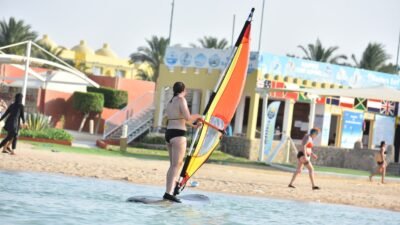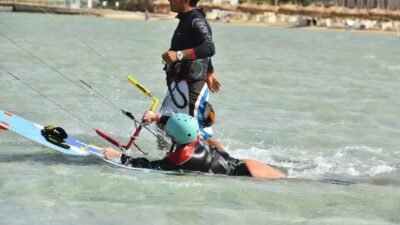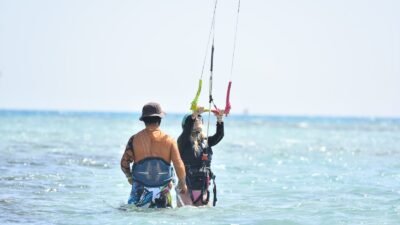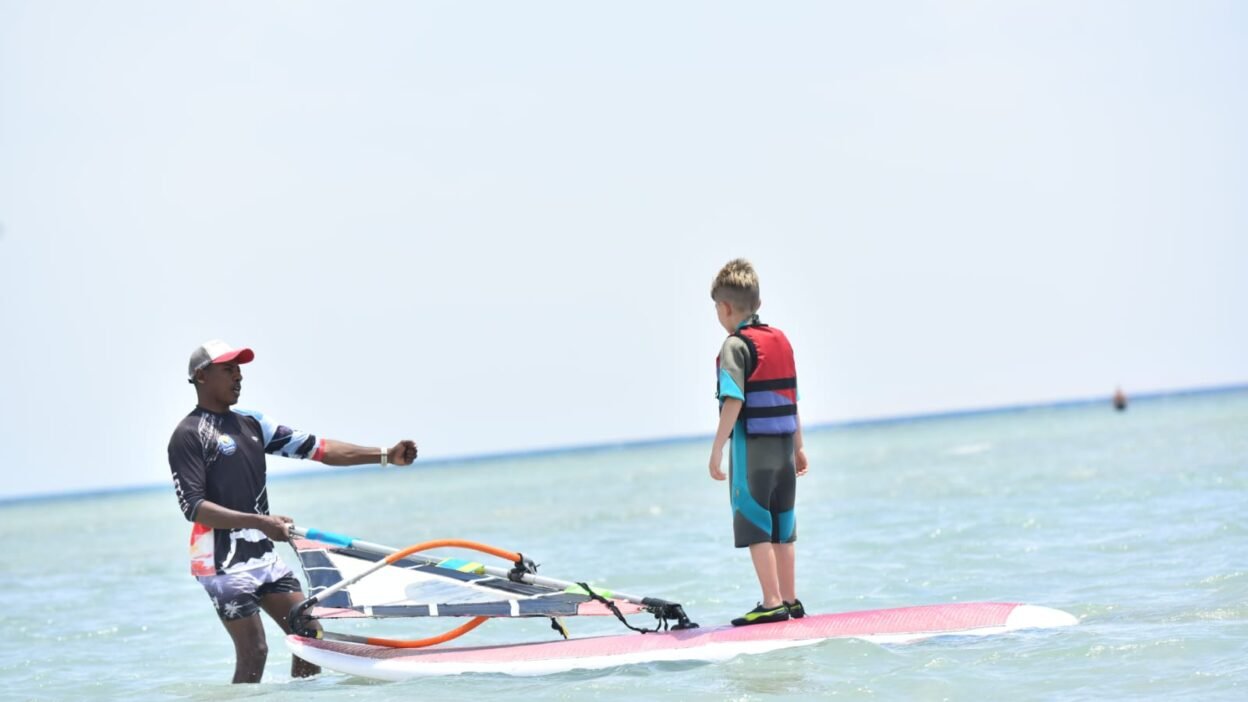
Hurghada is not a classic wave‑surfing destination, but it is one of the world’s finest playgrounds for wind‑powered water sports. Families looking for windsurfing and kitesurfing will find warm, shallow lagoons, steady trade winds, and dozens of certified schools that cater to children as young as six. This guide compares the best spots, schools, costs, and safety practices so you can choose the right experience for your whole family – whether you are total beginners or experienced riders. Expect consistent flat water, affordable lesson packages, and plenty of off‑water activities that keep every family member happy.
Surfing, Windsurfing & Kitesurfing in Hurghada
- Is Hurghada a good family destination for surfing, windsurfing and kitesurfing?
- What are the best windsurfing and kitesurfing spots in Hurghada for families?
- How do I choose between windsurfing and kitesurfing for my family?
- When is the best time of year for windsurfing and kitesurfing in Hurghada?
- What should families expect from a windsurfing or kitesurfing lesson in Hurghada?
- Are there dedicated kids’ windsurfing and kitesurfing programs in Hurghada?
- How much does a family windsurfing or kitesurfing holiday cost in Hurghada?
- What safety measures are in place for families?
- Can non‑surfing family members enjoy Hurghada while others surf?
- Should we bring our own gear or rent in Hurghada?
- Conclusion: Your next family windsurfing and kitesurfing holiday starts here
Is Hurghada a good family destination for surfing, windsurfing and kitesurfing?
Yes, Hurghada is an outstanding family destination for windsurfing and kitesurfing, but it offers almost no traditional wave surfing. Wave‑surfing families should look elsewhere, because the Red Sea coastline here is protected by a long barrier reef that stops any real swell from reaching the shore. What you get instead are mirror‑flat lagoons and reliable trade winds that blow cross‑onshore almost daily from April to October. These conditions are exactly what beginners need to learn safely and what improvers love for practicing turns without fighting chop. The water temperature rarely drops below 22°C, and in summer it hovers around 28°C, making long sessions comfortable for children. Combine that with shallow, knee‑deep areas inside the lagoons, and you have a natural swimming pool that doubles as the perfect classroom for windsurfing and kitesurfing. Add the family‑friendly resorts, direct flights from Europe, and the fact that English is widely spoken in all major centres, and you get a holiday where the logistics are as smooth as the water.
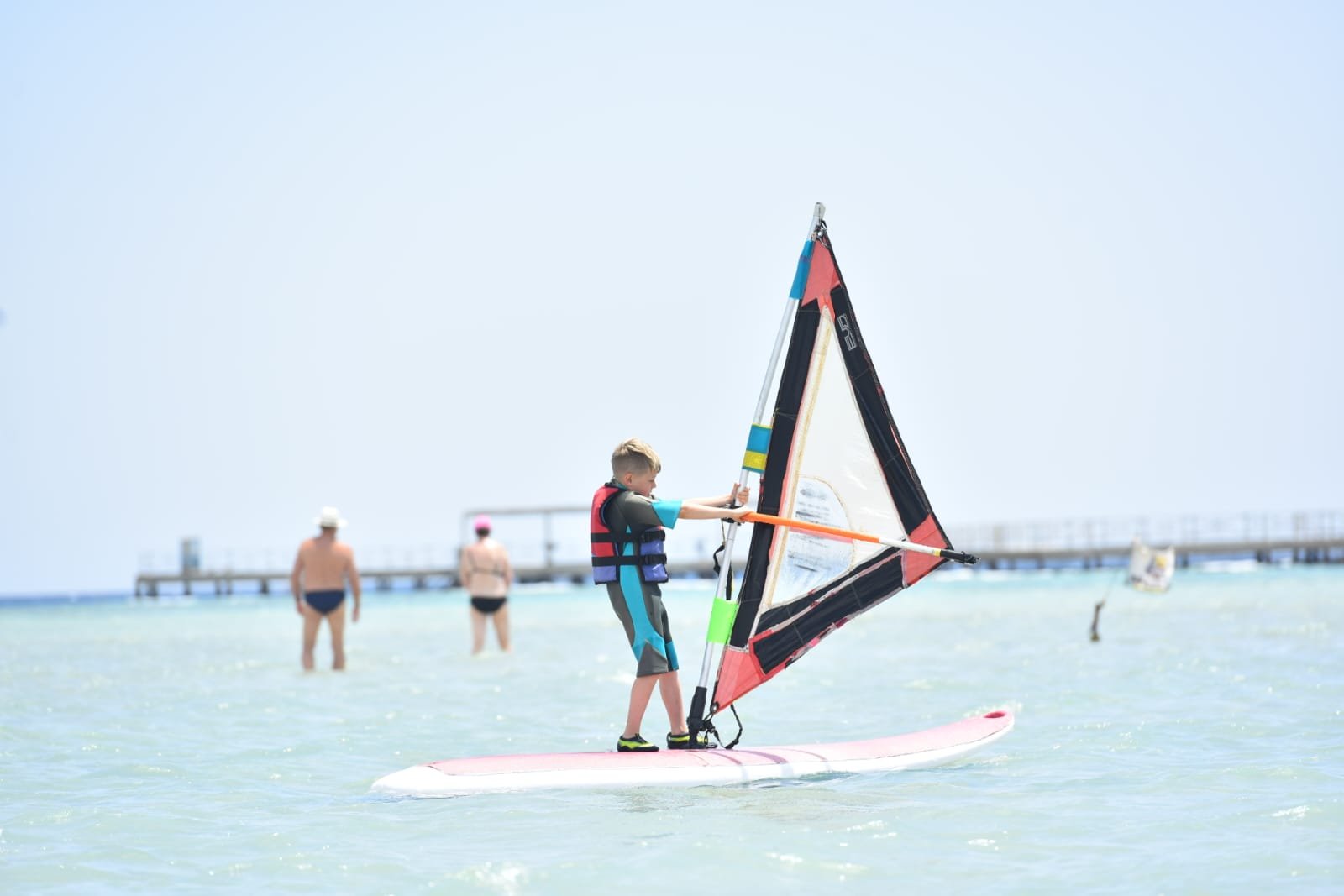
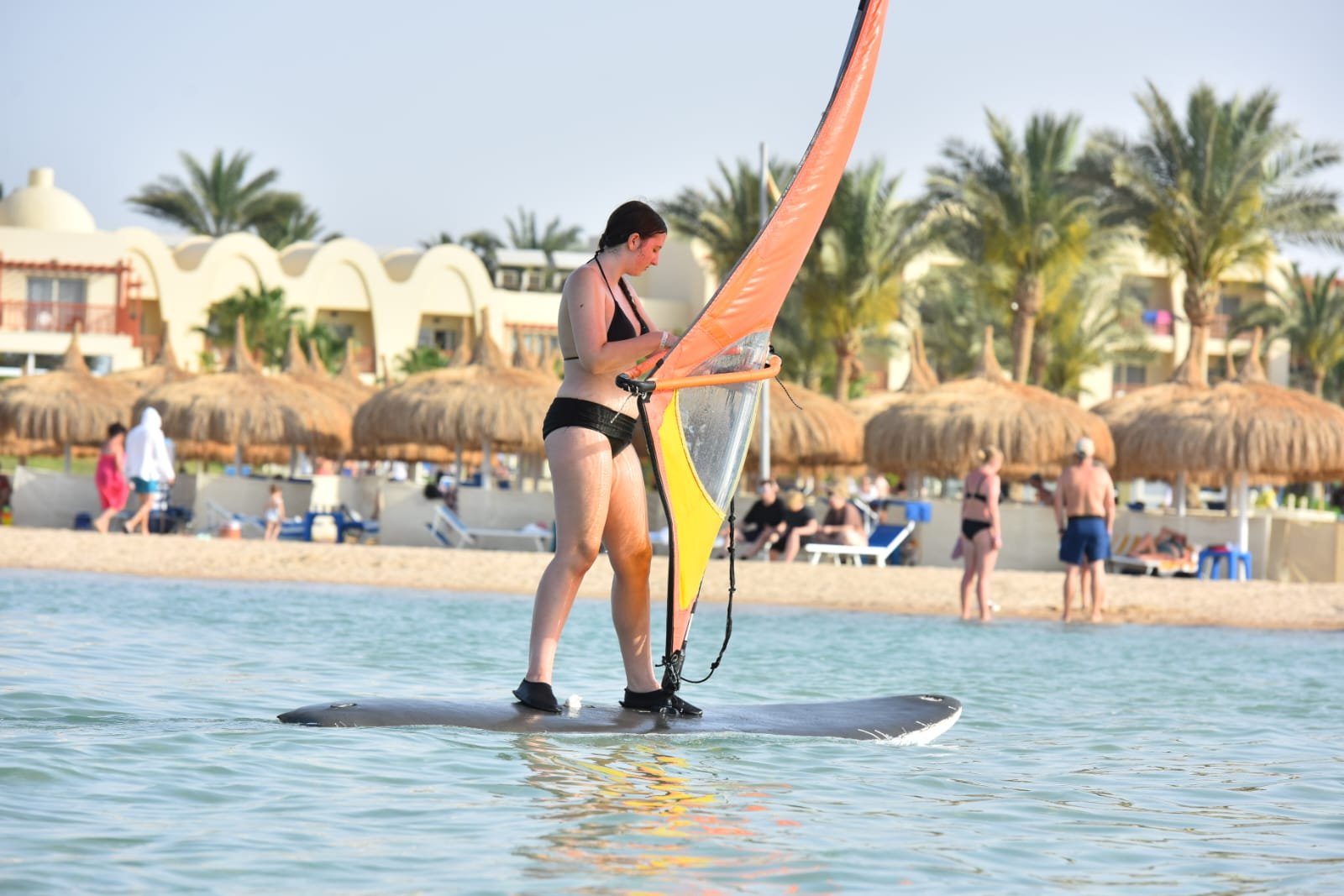
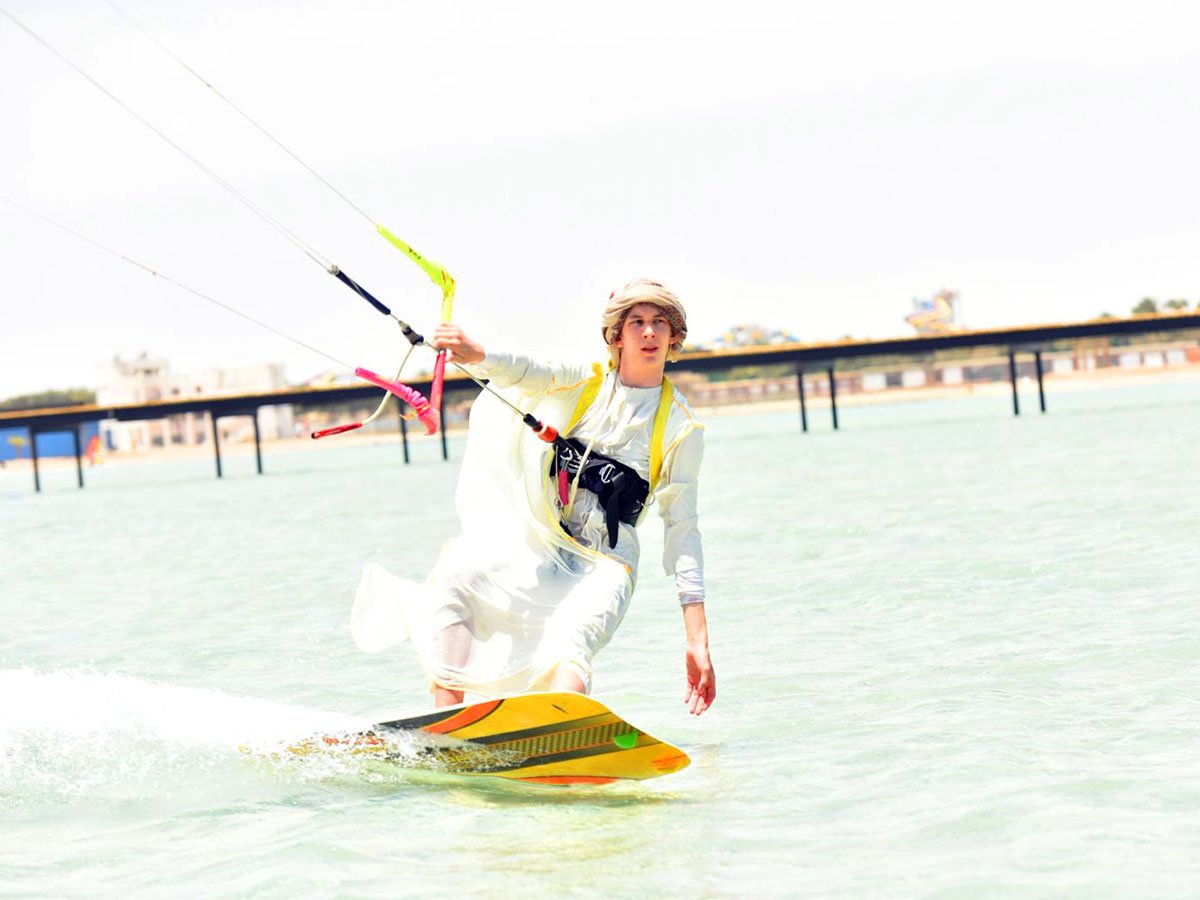
What are the best windsurfing and kitesurfing spots in Hurghada for families?
The best family‑friendly windsurfing and kitesurfing spots are Soma Bay, El Gouna’s Mangroovy Beach, and the lagoons near Safaga. Each offers a huge area of shallow, flat water, professional rental centres right on the beach, and dedicated safety zones where children can drift without drifting into danger. The table below compares the three locations against criteria that matter most when you travel with kids.
| Location | Water depth & bottom | On‑site school / children’s programs | Facilities for non‑surfing family | Best wind season |
|---|---|---|---|---|
| Soma Bay | Knee‑deep sand lagoon; very gradual drop‑off | Colona Watersports, children’s private & group lessons from age 7 | 5‑star hotels, spa, pools, kids’ club | April–October |
| El Gouna (Mangroovy Beach) | Ankle‑ to waist‑deep, sandy bottom | Red Sea Zone, kids’ windsurfing camps (ages 6+) and kitesurfing courses (ages 10+) | Town with restaurants, lagoon boat trips, cycling | March–November |
| Safaga lagoons | Mixed sand and some coral patches; mainly waist‑deep | Ion Club, family packages with dedicated beginner zones | Quieter, fewer large resorts but authentic local dining | May–September |
🌊 Soma Bay – the gold standard for family windsurfing
Soma Bay’s lagoon is enormous, wind‑protected, and never gets deeper than one metre for hundreds of metres offshore. Parents can stand beside their child’s board throughout the lesson. Colona Watersports operates a fully equipped centre with a rescue boat, life jackets, helmets, and a shaded terrace where grandparents can watch with a coffee. This spot consistently wins awards for safety and teaching quality.
🪁 El Gouna – a complete family town
Mangroovy Beach in El Gouna provides a similar shallow playground but adds the convenience of a self‑contained resort town. You can walk or take a tuk‑tuk to bakeries, ice‑cream parlours, and playgrounds. Red Sea Zone runs multi‑day kids’ camps that mix water time with beach games, giving parents the chance to take a lesson or kite on their own. The spot works well for mixed‑ability families because the main channel outside the lagoon offers stronger wind for experienced riders, while the interior stays flat and easy.
🏄♂️ Safaga – value and simplicity
Safaga’s lagoons are a little more exposed and may have some coral rubble, so water shoes are recommended for children. However, the beginner zone at Ion Club is deliberately kept obstacle‑free. The area is less developed than Soma Bay or El Gouna, which means lower accommodation costs and a more laid‑back atmosphere. Families who want a quieter, budget‑friendly option often choose Safaga.
How do I choose between windsurfing and kitesurfing for my family?
Windsurfing is easier and safer for young children, while kitesurfing suits teenagers and adults who are ready for a slightly steeper learning curve. The two sports share the same wind, but they place very different demands on the rider.
Pros and cons for families
| Windsurfing | Kitesurfing | |
|---|---|---|
| Minimum age | 6–7 years (with small rigs) | 10–12 years (depending on centre policy) |
| Equipment weight | Light kids’ rigs; parents can carry easily | Heavier bar, lines, and pump; requires more set‑up |
| Learning speed | Stand and sail in the first hour on flat water | Takes 2–3 lessons before independent riding |
| Safety perception | Lower kite‑free zone; child stays close to shore | Kite lines require strict safety briefing; parents must supervise |
| Progression fun | Lots of tricks and speed; lifelong sport | Jumps, hydro‑foiling; huge adrenaline factor |
| Family practicality | More suitable when children are small and want to learn with parents | Great when teens seek independence and excitement |
If you have children under 10, start with windsurfing. A six‑year‑old can balance on a wide board, pull up a tiny sail, and sail to mum or dad in ankle‑deep water. The whole family can learn together because lessons happen in the same lagoon at the same time. Kitesurfing makes more sense when your children are at least 11 or 12, confident swimmers, and mature enough to understand safety commands. Many families do both: parents kite while kids windsurf in the morning, then everyone windsurfs together in the afternoon.
When is the best time of year for windsurfing and kitesurfing in Hurghada?
The prime windsurfing and kitesurfing season runs from April to October, with peak reliability from June to September. During these months, the thermal wind – created by the temperature difference between the Red Sea and the Eastern Desert – blows steadily in the 15–25‑knot range, frequently peaking at 30 knots in the afternoons.
- 🌸 Spring (April–May): Warm air (25–30°C), water around 23°C, crowds are smaller. Good for families who want milder heat.
- ☀️ Summer (June–August): Air 32–38°C, water 27–29°C. Windiest period, nearly daily planing conditions. Best for guaranteed sessions, but book early.
- 🍂 Autumn (September–October): Air 28–33°C, water still 26–28°C. Wind remains consistent, prices begin to drop, and the water stays flat.
- ❄️ Winter (November–March): Wind is less predictable; calm days are common. Still possible to sail with larger sails, but not ideal for first‑time learners. Water stays warm enough (22–24°C) for a shorty wetsuit.
For a family trip where you want maximum on‑water time and the highest chance of seeing children beam with pride after their first glide, target mid‑June to late August. If you prefer fewer people on the lagoon and don’t mind the occasional wind‑less morning, late September is a sweet spot.
What should families expect from a windsurfing or kitesurfing lesson in Hurghada?
A typical family windsurfing lesson starts with a 10‑minute beach briefing where the instructor explains wind direction, safety signals, and how to hold the sail. Then everyone walks into knee‑deep water, stands on a wide, stable board, and practices pulling the sail up. Most children can sail a short distance independently within 30 minutes. Lessons usually last two hours and cost €40–€60 per person for a group session. Private family lessons are available and often come with a discount when you book a block of three or more.
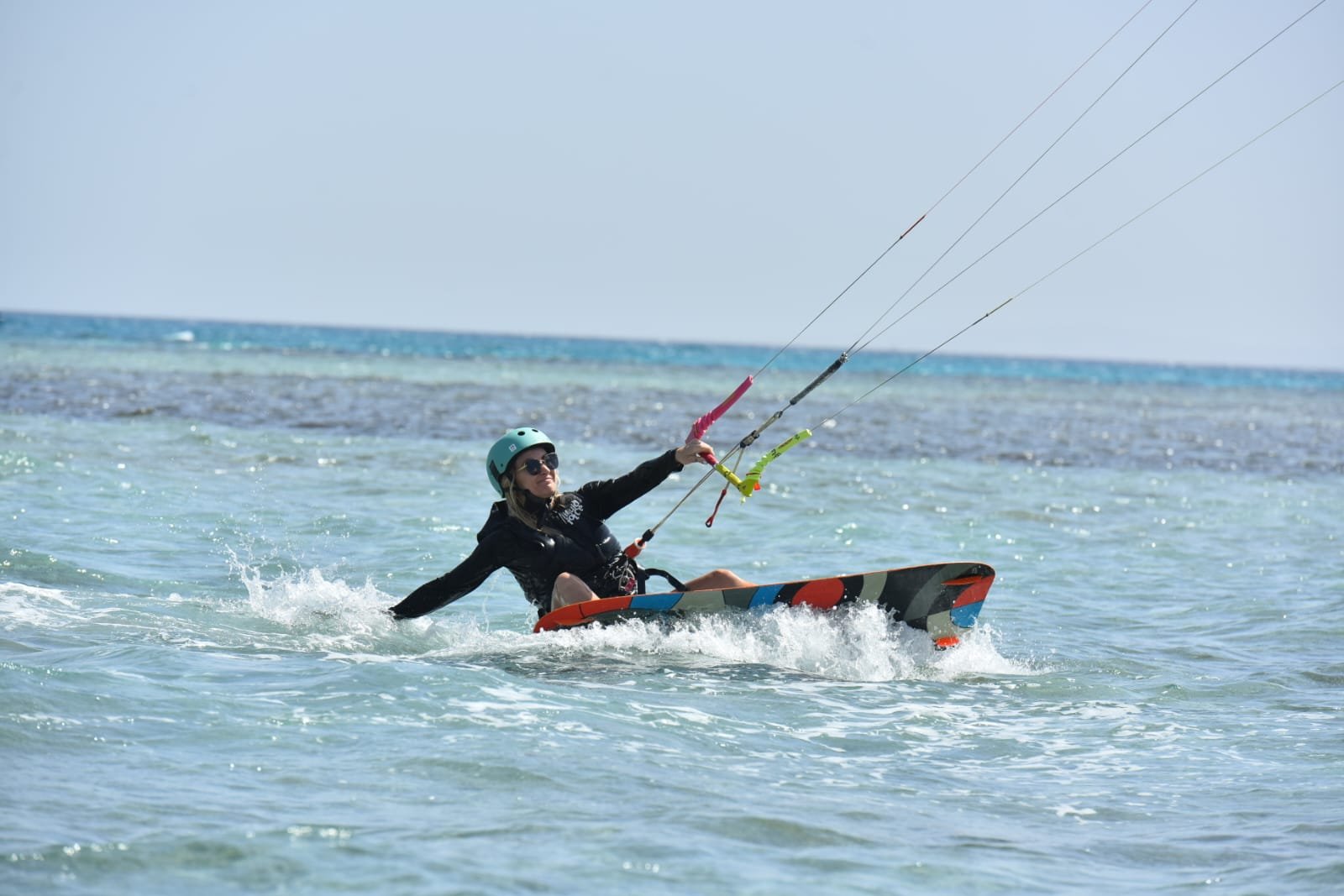
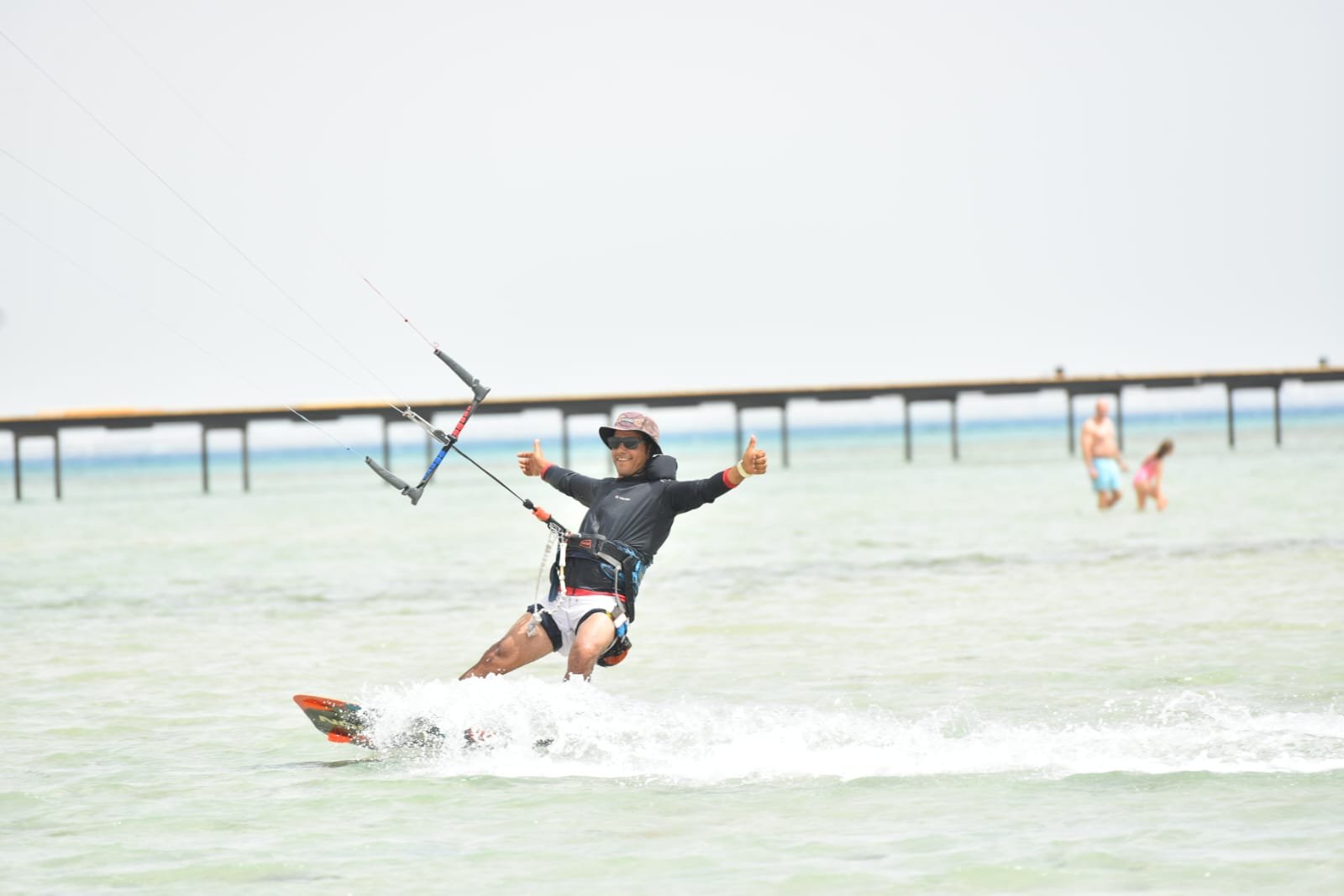
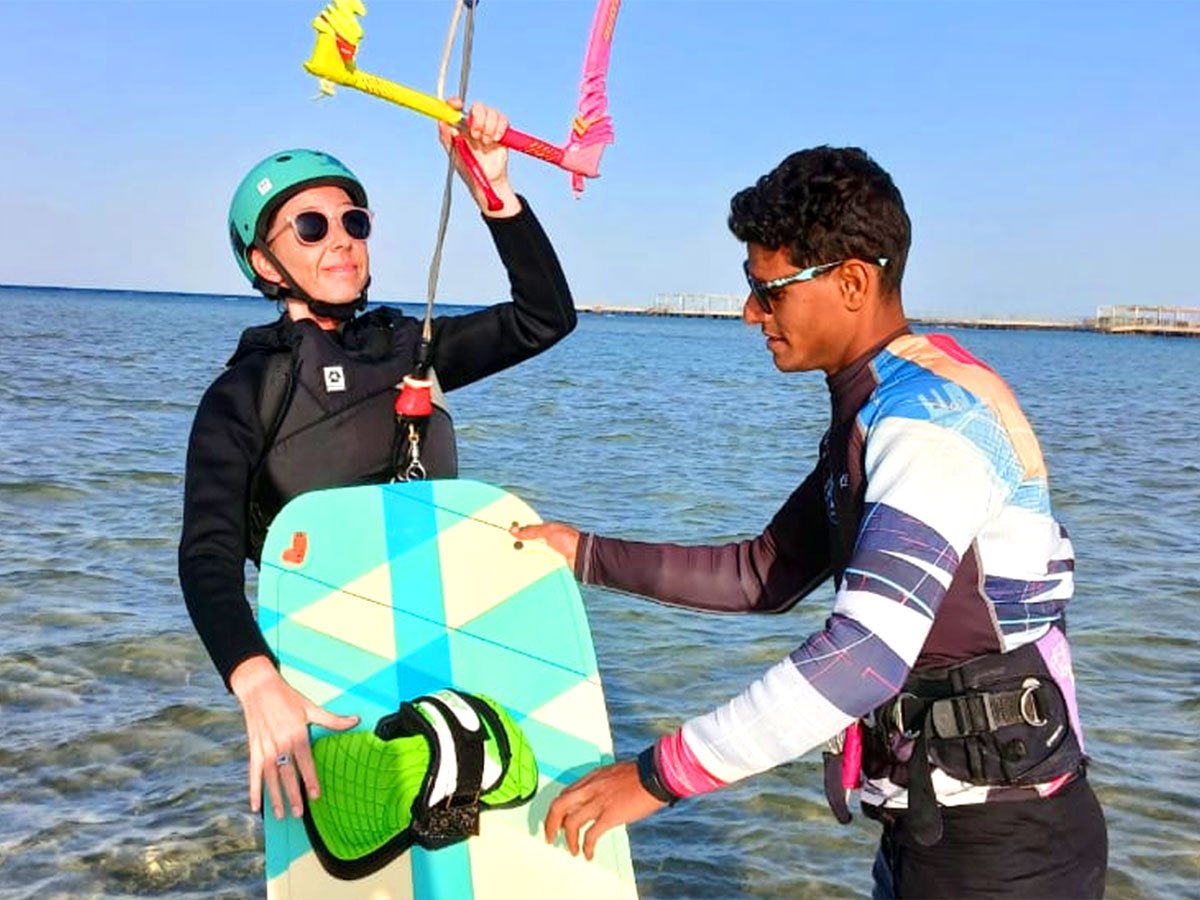
Kitesurfing lessons follow a stricter progression mandated by international standards. The first hour is devoted entirely to safety: rigging, releasing, and self‑rescue with a small training kite. Only after mastering those skills do students enter the water. Expect a child to need three to four lessons before they are riding the board, while adults may progress in two to three. Family members can watch from the beach, and many schools offer a “supervised practice” add‑on that lets you rent gear while the rescue boat keeps an eye on you.
A real‑world family case study
Imagine the Miller family from the UK: Dad windsurfs, Mum has never tried, and their children are 8 and 10. They book a five‑day package at Colona Watersports in Soma Bay. Mornings are spent in a private family lesson: Mum and the kids learn on wide beginner boards in the shallow lagoon while Dad takes an advanced coaching session 100 metres away. By day three, both children are tacking and the 10‑year‑old has started using a harness. Mum is comfortably steering and wants her own gear next time. In the afternoons, they snorkel inside the protected reef right in front of the hotel. The Millers’ experience is not exceptional; it is the standard outcome of a well‑structured family program in Hurghada.
Are there dedicated kids’ windsurfing and kitesurfing programs in Hurghada?
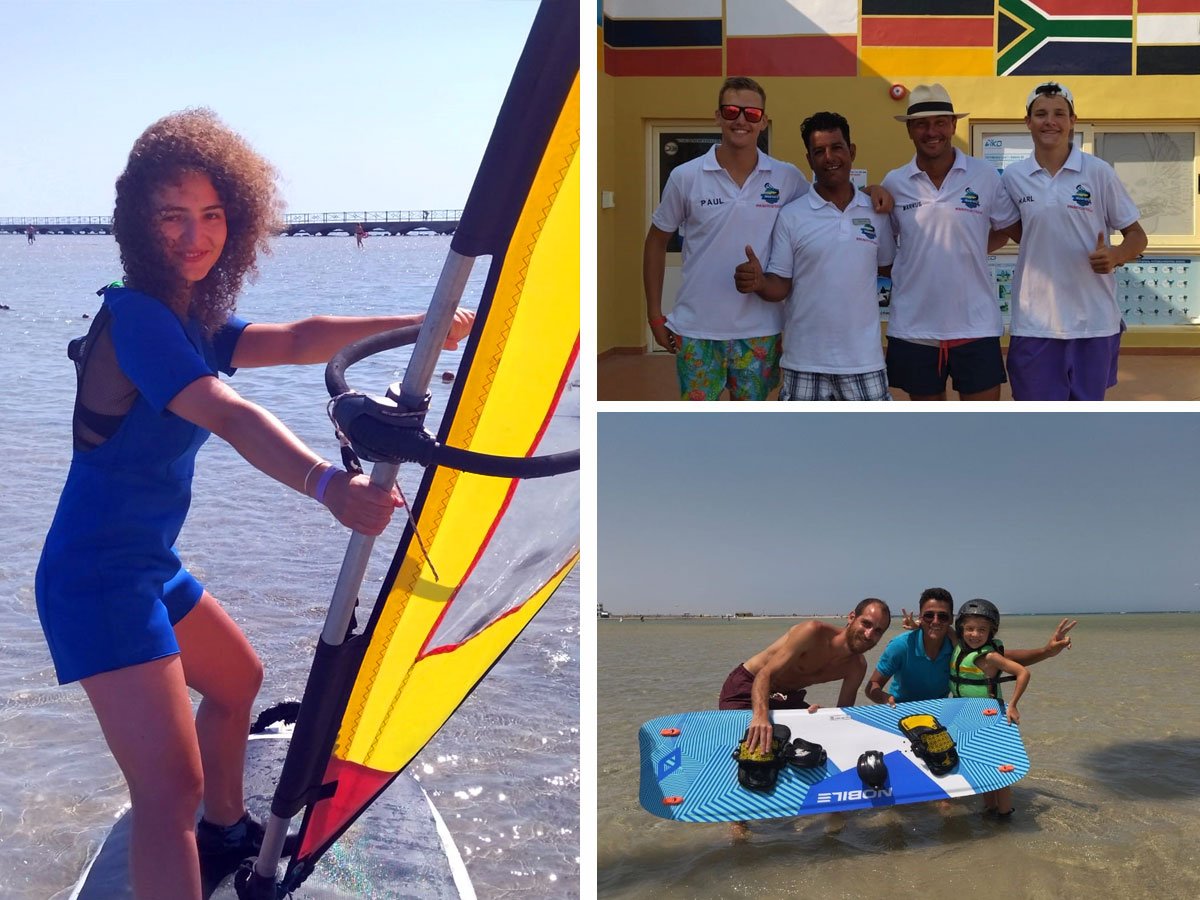
Yes, all major Hurghada windsurfing centres offer dedicated kids’ programs that use scaled‑down equipment, specially trained instructors, and a playful teaching methodology. The best schools run week‑long morning camps where children are grouped by age and ability. Sessions mix short, focused drills with lots of games – balance contests, “follow the leader” across the lagoon, and treasure hunts using coloured buoys. This keeps attention spans high and turns learning into a social event that children look forward to.
Equipment for children includes:
- 0.5 m² to 2.5 m² sails that a small child can hold without straining
- Extra‑wide boards with a retractable daggerboard for stability
- Helmets and buoyancy aids that are mandatory and provided free of charge
- Short masts and soft rig components that reduce the risk of injury
For kitesurfing, programs for teens start with a two‑line trainer kite on the beach, moving to a full four‑line kite only after the instructor signs off on the student’s control and safety reflexes. Children under 14 always fly with a helmet and impact vest. Kitesurfing is rarely offered to children younger than 10, but several centres in El Gouna and Soma Bay run special “junior kite” weeks for 12–16‑year‑olds.
How much does a family windsurfing or kitesurfing holiday cost in Hurghada?
A family of four can expect to spend between €2,500 and €4,500 per week for a full‑board resort holiday that includes daily water‑sport lessons and equipment rental. The final figure depends on accommodation level, whether you book a package, and how many lessons you take. The table below breaks down typical costs for a seven‑day stay in the high season (June–August).
| Expense category | Budget option (Safaga guesthouse, self‑catering) | Mid‑range (El Gouna apartment, half‑board) | Premium (Soma Bay 5‑star, all‑inclusive) |
|---|---|---|---|
| Flights (Europe to Hurghada, per person) | €200–€350 | €200–€350 | €250–€400 |
| Accommodation (7 nights, family room) | €500–€700 | €900–€1,400 | €1,600–€2,800 |
| Group lessons (per person, 5 × 2 hrs) | €150–€200 | €180–€250 | €200–€300 |
| Equipment rental (6 days, per person) | €100–€150 | €120–€180 | Included in package |
| Meals & extras | €200–€300 | Often half‑board | All‑inclusive |
| Total (family of 4) | ≈€2,500–€3,300 | ≈€3,200–€4,200 | ≈€4,000–€5,500 |
You can reduce costs by booking early‑bird packages directly through schools that partner with local hotels, travelling in May or October, and renting gear only on days with good wind rather than the whole week. Many centres give a 10–15% discount when you reserve online at least three months ahead. Private family lessons are pricier but move everyone faster, which often means you need fewer sessions overall.
What safety measures are in place for families?
All recognised windsurfing and kitesurfing centres in Hurghada follow strict safety protocols that are designed with first‑timers and children in mind. The flat, shallow lagoons are the first layer of protection – children can stand up anywhere inside the beginner zone. Beyond that, schools provide mandatory safety gear, employ rescue boats that patrol continuously, and use radio‑equipped instructors who can call for assistance within seconds.
Key safety features you will find at the top spots:
- 🦺 Life jackets & helmets: Worn by all children and available for adults upon request.
- 🚤 Dedicated rescue boat: A motorised boat watches the lagoon whenever the centre is open.
- 📏 Separate zones: Beginners, improvers, and advanced riders are assigned clearly marked areas so children never drift into kite lines or fast boards.
- 🗣️ Universal hand signals: Instructors teach a set of simple signals (e.g., hand on head = “I need help”) before anyone touches water.
- 🩹 First‑aid trained staff: All instructors hold valid first‑aid and CPR certifications; larger centres have a paramedic on site.
- 🌪️ Wind‑condition monitoring: Centres display real‑time wind readings and cancel or relocate sessions if the wind exceeds safe limits for children (usually above 30 knots).
Parents are encouraged to stay on the beach or in the shallow water during lessons. If you are not taking a course yourself, you can still wade out and cheer from a few metres away. The combination of shallow water, constant supervision, and a safety‑first culture means that serious incidents are exceptionally rare.
Can non‑surfing family members enjoy Hurghada while others surf?
Absolutely. A windsurfing or kitesurfing holiday in Hurghada works even when half the family never touches a sail. Resorts and towns built around the lagoons offer a rich mix of relaxation and exploration that easily fills a week. The key is choosing a base that provides multiple activities in one location so you can split up and reconvene without long transfers.
What non‑surfing companions can do:
- 🐠 Snorkelling right off the beach: Most lagoon resorts sit directly beside a healthy house reef. Mask, snorkel, and fins are all you need to spot angelfish, parrotfish, and rays in water no deeper than two metres.
- 🏊 Pools and aquaparks: Family hotels in Soma Bay and El Gouna feature multiple pools, lazy rivers, and waterslides that keep younger siblings entertained for hours.
- 🚴 Cycling and walking trails: El Gouna’s entire network of islands is connected by car‑free paths, perfect for a morning bike ride with a stop at a seaside café.
- 🧘 Spa & wellness: From hammam treatments to yoga classes, most upscale resorts have extensive spa menus.
- 🌆 Day trips: Organised excursions to Luxor’s temples, the desert by quad bike, or a glass‑bottom boat tour are easy to book and last just half a day.
In practice, a typical day might see one parent kitesurf from 9 a.m. to noon while the other takes the kids to the beach club. After lunch, the family gathers for snorkelling, then the afternoon session swaps roles. The best spots are designed so that the surfing area, the kids’ club, and the restaurant are all within a two‑minute walk.
Should we bring our own gear or rent in Hurghada?
For families, renting gear in Hurghada is almost always the smarter choice. Lugging bulky windsurf boards, kites, bars, and masts through airports is expensive, exhausting, and often unnecessary because the rental centres in Hurghada stock the latest equipment from brands like Duotone, JP‑Australia, and Starboard, and they replace it every season. You will also have access to exactly the right sail size for the day’s wind, which changes within hours. An instructor can simply hand you a smaller or larger sail without you having to bring an entire quiver.
The one exception is if your child has already bonded with their own lightweight rig and is progressing quickly. In that case, bringing a small sail and a compact kids’ board may be worth the airline oversize fee, which typically ranges from €40 to €80 each way. Always check your chosen centre’s rental policy: some offer free supervised storage and rigging assistance, while others let you store private gear for a small weekly fee.
If you do rent, reserve ahead online. In peak summer months, the best beginner boards and small kites can be fully booked. Specify your children’s ages and weight when booking so the centre prepares correctly sized gear before you arrive.
Conclusion: Your next family windsurfing and kitesurfing holiday starts here
Hurghada gives families a rare combination: world‑class wind conditions that are also astonishingly safe for children, professional instruction that respects different learning paces, and a resort infrastructure that keeps non‑surfing members just as happy. Whether you pick the luxury of Soma Bay, the vibrant town life of El Gouna, or the quiet value of Safaga, the core experience is the same – flat warm water, endless sunshine, and the shared thrill of a first glide. Now is the moment to secure your spot, because the best family packages sell out months in advance.
✅ Family Hurghada Surf Trip Checklist
- [ ] Choose your spot & school: Compare Soma Bay, El Gouna, Safaga; email two schools for quotes.
- [ ] Book flights & accommodation early: Aim for April–October; June–August for maximum wind certainty.
- [ ] Reserve kids’ camp places: Specify children’s ages, weight, and swimming ability.
- [ ] Pack sun protection: Rash vests, high‑SPF sunscreen, hats, UV‑protective swimwear.
- [ ] Bring water shoes: Essential for Safaga and any spot with coral patches.
- [ ] Prepare non‑surfing activities: Research snorkelling sites, day trips, and kids’ club hours.
- [ ] Check passport validity & travel insurance: Ensure coverage includes windsurfing and kitesurfing activities.
- [ ] Confirm gear rental or oversize baggage: Pre‑book kids’ rigs if renting; pay airline fees in advance if bringing your own.
- [ ] Download wind apps: Install Windy or Windfinder to track conditions during your stay.
- [ ] Charge action cameras: Capture the moment your child sails alone for the first time.