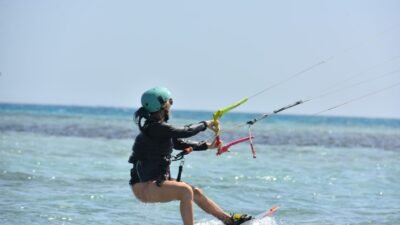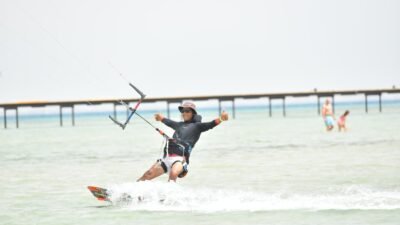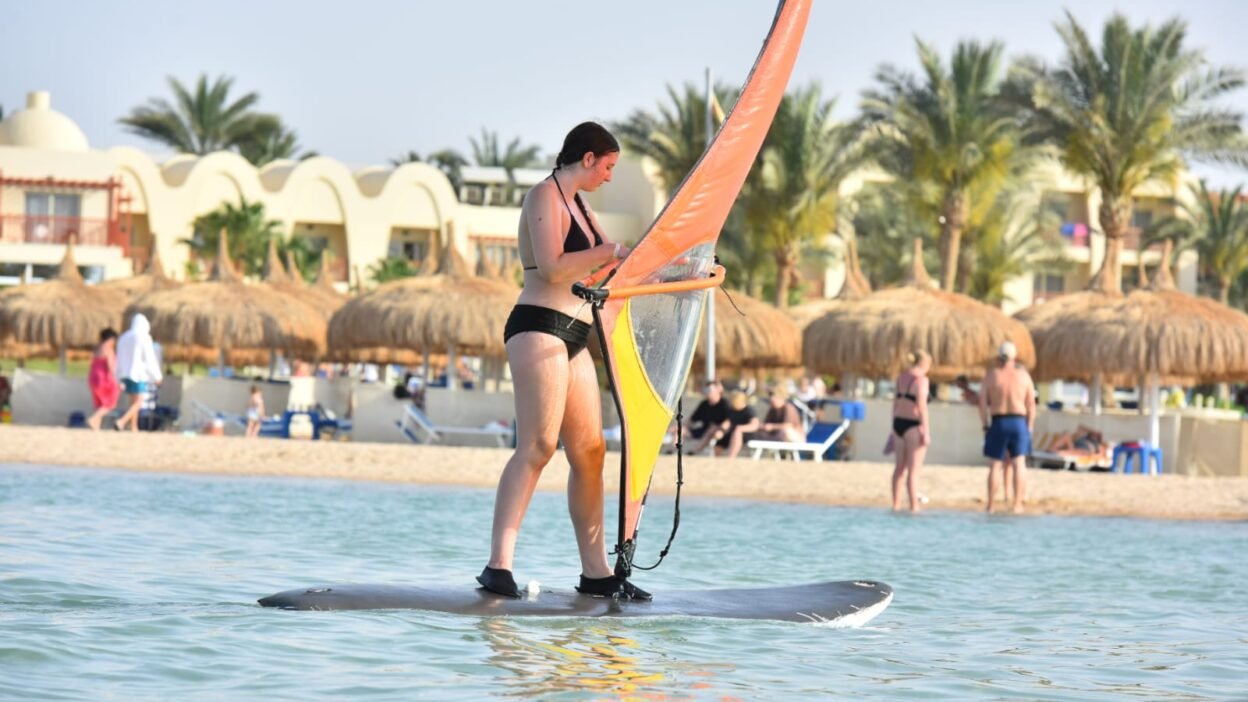
Surfing can indeed contribute to a more youthful appearance, but the relationship is not straightforward. On one hand, surfing delivers powerful anti‑aging benefits: it boosts circulation, stimulates collagen production, tones muscles, and reduces stress — all factors scientifically linked to younger‑looking skin. On the other hand, chronic sun exposure — an unavoidable part of surfing — is the single greatest external cause of premature skin aging, breaking down collagen and elastin faster than almost any other environmental factor. The net effect depends almost entirely on sun protection habits. Surfers who apply high‑SPF, broad‑spectrum sunscreen diligently, wear rash guards, and rinse off saltwater after every session tend to maintain notably healthy, youthful skin well into middle age and beyond. Those who neglect protection, however, often develop wrinkles, sunspots, and leathery texture earlier than their non‑surfing peers. In short, surfing itself does not age you — unprotected sun exposure while surfing does. The same principles apply to windsurfing, including at premier destinations such as windsurfing hurghada egypt, where the intense desert sun demands rigorous protection.
Does Surfing Make You Look Younger?
How Does Exercise Affect Skin Aging?
Regular aerobic exercise directly slows skin aging through several biological mechanisms. Studies show that consistent physical activity increases blood flow to the skin, delivering oxygen and nutrients while removing metabolic waste products. More importantly, research from McMaster University found that regular exercisers demonstrated skin composition more typical of younger individuals, including higher collagen density and better‑organized collagen fibres.
A 2024 study published in Medicine & Science in Sports & Exercise confirmed that both aerobic and resistance exercise delay age‑related skin aging by down‑regulating inflammatory pathways — specifically the IL‑18/IL‑18R pathway — that accelerate skin thinning, fragility, and hyperpigmentation. Consultant dermatologist Dr Emma Wedgeworth explains that regular aerobic and load‑bearing exercises make skin thicker and more elastic by increasing natural production of collagen and hyaluronic acid.
For surfers, these systemic benefits are amplified. Paddling provides sustained cardiovascular conditioning; popping up onto the board engages fast‑twitch muscle fibres; balancing on a moving wave activates core stabilisers rarely targeted in gym workouts. The result is a full‑body exercise stimulus that supports skin structure from the inside out.
Why Do Surfers Look So Healthy? 🌊
The characteristic “surfer glow” — that combination of toned physique, clear skin, and relaxed demeanour — results from several converging factors beyond exercise alone.
Sun‑stimulated vitamin D synthesis contributes to immune function and mood regulation, both of which reflect visibly in skin quality. Saltwater exposure acts as a natural exfoliant and has mild antibacterial properties that can help clear acne and promote fresher‑looking skin. Stress reduction plays an equally important role: surfing triggers endorphin release and lowers cortisol levels. Since elevated cortisol accelerates collagen breakdown and contributes to inflammation‑driven aging, the stress‑relieving effect of surfing provides genuine anti‑aging protection.
The nutritional habits common among surfers further support this effect. A diet rich in antioxidants — berries, leafy greens, omega‑3 fatty acids — helps counter oxidative stress from intense physical activity and supports collagen production. Surfers who maintain these habits often exhibit the hallmarks of good health: clear eyes, even skin tone, strong hair, and a posture reflecting core strength and spinal mobility.
What Is the Biggest Aging Risk for Surfers?
Sun exposure is the single greatest aging risk surfers face. UV rays penetrate the dermis and break down collagen and elastin — the two proteins responsible for keeping skin firm, smooth, and elastic. Over time, this photodamage manifests as wrinkles, fine lines, sagging, and hyperpigmentation (sunspots). Surfers are particularly vulnerable because they spend extended periods in direct sunlight, often during peak UV hours between 10 a.m. and 4 p.m..
Even on cloudy or overcast days, up to 80% of UV rays penetrate cloud cover and reach the skin. Water reflection compounds the problem: the ocean surface reflects approximately 10–25% of UV radiation back onto the face, meaning surfers receive a double dose of exposure — direct from above and reflected from below.
The result is measurable. Dermatologists report that outdoor water‑sports athletes who do not protect their skin can show signs of photoaging — pigment spots, broken blood vessels, texture changes — 5 to 10 years earlier than individuals with comparable genetics who spend less time in the sun.
Does Saltwater Make Skin Look Younger or Older?
Saltwater has a dual effect on skin aging, and the outcome depends entirely on post‑session care.
Potential benefits: Saltwater acts as a natural mechanical exfoliant, sloughing off dead skin cells to reveal fresher skin beneath. Its mild antibacterial properties can reduce acne‑causing bacteria and calm certain inflammatory skin conditions. The minerals in seawater — including magnesium, potassium, and calcium — may support the skin barrier when exposure is moderate.
Potential harm: Prolonged or repeated saltwater exposure without adequate rinsing strips the skin of its natural oils (sebum), leading to transepidermal water loss. The result is dryness, flaking, irritation, and a compromised skin barrier that accelerates the appearance of fine lines. Salt crystals left on the skin can also cause micro‑abrasions that compound UV damage.
The solution is straightforward: rinse with fresh water immediately after every session and apply a moisturiser while skin is still damp to lock in hydration. This simple two‑step habit preserves saltwater’s benefits while neutralising its aging risks.
Can Windsurfing Provide the Same Anti‑Aging Benefits as Surfing? 🏄
Yes — windsurfing delivers equivalent and in some respects superior anti‑aging benefits compared to traditional wave surfing. The physiological mechanisms are nearly identical. Windsurfing is an aerobic activity that elevates heart rate, improves cardiovascular endurance, and reduces the risk of heart disease. It engages the arms, shoulders, back, and core in sustained muscular effort, building the lean muscle tone that supports a youthful physique. Balance and coordination demands improve proprioception — the body’s spatial awareness — which tends to decline with age.
The key advantage windsurfing holds over surfing for anti‑aging purposes is its predictability and accessibility. At destinations like hurghada windsurfing centres, reliable thermal winds mean consistent sessions without the long waiting periods between wave sets that characterise surfing. Windsurfing can be practised well into later life — many enthusiasts continue into their 70s and beyond — because the low‑impact nature of the sport is gentle on joints while still providing cardiovascular and muscular benefits.
Additionally, windsurfing’s stress‑relief dimension is well documented. Being on the water, feeling the wind, and focusing entirely on balance and sail control creates a meditative state that lowers cortisol and promotes mental well‑being.
Why Is Windsurfing Hurghada Egypt a Prime Destination for Health‑Conscious Sailors? 🌞
Windsurfing hurghada egypt attracts health‑conscious sailors because it combines world‑class conditions with infrastructure that supports long‑term skin and body health. Hurghada offers shallow, sandy‑bottom lagoons, year‑round warm water (21–29°C), and side‑onshore winds blowing 15–25 knots reliably from April to October. These conditions allow for extended, low‑impact sessions that maximise the cardiovascular, muscular, and stress‑relief benefits of windsurfing without the joint stress of high‑impact sports.
The region also offers natural health resources beyond windsurfing. Safaga, just south of Hurghada, is known for its natural health treatment centres where local and international spa consultants help visitors revitalise skin, relieve stress, and address back and neck pain using climatotherapy — a therapeutic approach leveraging the region’s unique climate, mineral‑rich waters, and clean air.
For those seeking the anti‑aging benefits of water sports in a controlled, predictable environment, Hurghada’s combination of reliable wind, warm water, professional instruction, and wellness infrastructure makes it a logical choice.
What Sun Protection Strategies Actually Work for Surfers and Windsurfers?
Effective sun protection for water sports requires a specific approach distinct from everyday sunscreen use. Standard cosmetic sunscreens wash off quickly in water and often fail under intense, sustained UV exposure.
Evidence‑based protection strategies:
| Strategy | Why It Works | Implementation |
|---|---|---|
| Water‑resistant, broad‑spectrum SPF 50+ sunscreen | Blocks both UVA (aging) and UVB (burning) rays; water resistance maintains protection during sessions | Apply 30 minutes before entering water; reapply every 80–90 minutes |
| Zinc oxide‑based (reef‑safe) formulations | Physical blocker sits on skin surface rather than absorbing; better water resistance and coral‑safe | Choose products labelled “reef‑safe” or “biodegradable” |
| Rash guard or UV‑protective top | Provides consistent protection without reapplication; modern fabrics offer UPF 50+ | Wear long‑sleeve in high‑UV months |
| Wide‑brim hat or surf cap | Protects scalp, ears, and face — areas where sunscreen washes off fastest | Use caps with chin straps designed for water sports |
| Polarised sunglasses with strap | Protects delicate eye‑area skin and prevents UV‑related eye damage (cataracts, pterygium) | Choose impact‑resistant lenses with UV 400 rating |
| Timing adjustments | UV index peaks between 10 a.m. and 4 p.m.; morning and late‑afternoon sessions reduce cumulative exposure | Schedule sessions early morning or late afternoon when possible |
Surfers and windsurfers who adopt these strategies consistently show markedly different skin aging trajectories compared to those who rely on sunscreen alone or skip protection entirely.
How Can I Maximise the Anti‑Aging Benefits of Water Sports? ✅
Maximising anti‑aging benefits while minimising damage requires a systematic pre‑ and post‑session routine. The following evidence‑based practices form a complete approach.
Pre‑session preparation:
- Apply water‑resistant SPF 50+ sunscreen 30 minutes before entering the water
- Wear UV‑protective clothing (rash guard, surf cap, polarised sunglasses)
- Hydrate thoroughly — dehydrated skin is more vulnerable to UV damage
- Consume antioxidant‑rich foods (berries, nuts, green tea) to support the body’s UV defence systems
Post‑session recovery:
- Rinse skin with fresh water immediately after exiting to remove salt and sweat
- Apply moisturiser while skin is still damp to seal in hydration
- Replenish with electrolytes to maintain skin hydration from within
- Prioritise protein, vitamin C, zinc, and omega‑3 fatty acids to support collagen production and tissue repair
Long‑term habits:
- Schedule regular skin checks with a dermatologist — early detection of sun damage allows intervention before visible aging accelerates
- Maintain consistent exercise beyond surfing/windsurfing sessions; strength training preserves bone density that supports facial structure
- Prioritise sleep — the skin’s repair processes peak during deep sleep phases
- Avoid smoking and limit alcohol — both accelerate collagen degradation and impair skin healing
Does surfing make you look younger Frequently Asked Questions
Yes. Expert windsurfers burn up to 1,000 calories per hour, while recreational sailors burn approximately 500 calories per hour. This significant energy expenditure supports healthy body composition — a key factor in maintaining a youthful appearance — without the joint impact of running or high‑intensity gym work.
Absolutely. Hurghada’s shallow, sandy‑bottom lagoons allow learners to stand at any time, removing the fear factor that can discourage older beginners. The warm water (never below 21°C) prevents cold‑related muscle stiffness, and professional IKO/VDWS‑certified instructors are experienced in teaching students across all age groups. The low‑impact nature of windsurfing makes it particularly suitable for maintaining fitness in later decades.
Yes. The core mechanisms — improved circulation, collagen stimulation, stress reduction, and vitamin D synthesis — can be replicated through any consistent outdoor aerobic exercise combined with strength training. However, surfing and windsurfing offer unique additional benefits: the meditative effect of water immersion, the full‑body engagement of balancing on an unstable surface, and the mood‑elevating properties of ocean air (negative ions).
The immediate “post‑session glow” — increased blood flow creating visible radiance — appears after the very first session. Longer‑term structural changes, including measurable improvements in skin elasticity and collagen organisation, require consistent exercise over 8–12 weeks, based on the McMaster University study timeline.
Does surfing make you look younger Conclusion
Surfing and windsurfing can genuinely support a more youthful appearance — but only when paired with rigorous sun protection. The cardiovascular conditioning, collagen‑stimulating circulation, stress reduction, and full‑body muscle engagement offer scientifically validated anti‑aging benefits. The risk lies not in the sport itself but in unprotected UV exposure, which can accelerate skin aging faster than almost any other lifestyle factor.
The formula is simple: protect your skin, and the sport will reward you with decades of health and vitality.
👉 Ready to experience the anti‑aging benefits of windsurfing firsthand?
- Plan your trip to windsurfing hurghada egypt — a destination that combines ideal learning conditions with year‑round warm water and professional instruction.
- Book a beginner course at an IKO/VDWS‑certified centre and experience the full‑body, low‑impact workout that has kept sailors youthful for decades.
- Pack your sun protection kit: reef‑safe SPF 50+, rash guard, polarised sunglasses, and a wide‑brim hat — and commit to using them every session.
✅ Key Takeaways — At a Glance
- Exercise slows skin aging: Regular aerobic activity increases collagen density, improves skin elasticity, and reduces inflammatory markers linked to aging.
- Sun exposure is the primary aging risk for surfers: UV rays break down collagen and elastin; water reflection doubles facial exposure.
- Saltwater is a double‑edged sword: Natural exfoliation and antibacterial benefits are real, but salt strips natural oils — always rinse with fresh water post‑session.
- Windsurfing matches surfing for anti‑aging benefits: Cardiovascular conditioning, muscle tone, balance, and stress relief apply equally to both sports.
- Hurghada offers ideal conditions for healthy windsurfing: Warm water, shallow lagoons, reliable wind, and wellness infrastructure support long‑term participation.
- Protection determines outcome: Surfers and windsurfers who use water‑resistant SPF 50+, wear UV‑protective clothing, and maintain post‑session skincare routines preserve youthful skin far longer than those who skip protection.