Yes, kitesurfing in Hurghada is generally very safe when you follow standard procedures and learn with a certified school. The region offers unique natural advantages such as shallow lagoons, consistent side-onshore winds, and warm, flat water that significantly reduce common risks. However, safety ultimately depends on choosing the right spot for your level, respecting wind conditions, and never skipping essential lessons. This article answers the most common questions to help you make an informed decision.
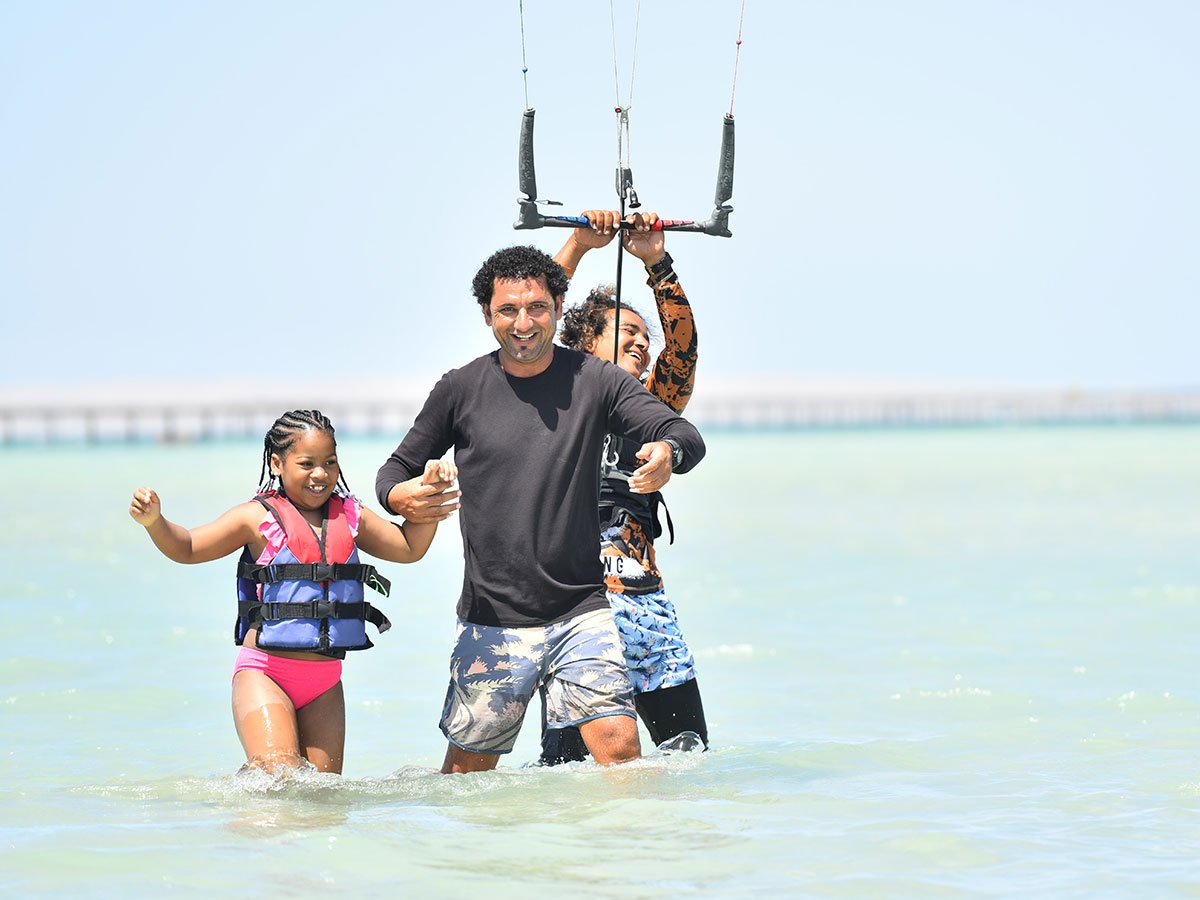
Is kitesurfing in Hurghada safe for beginners and experienced riders?
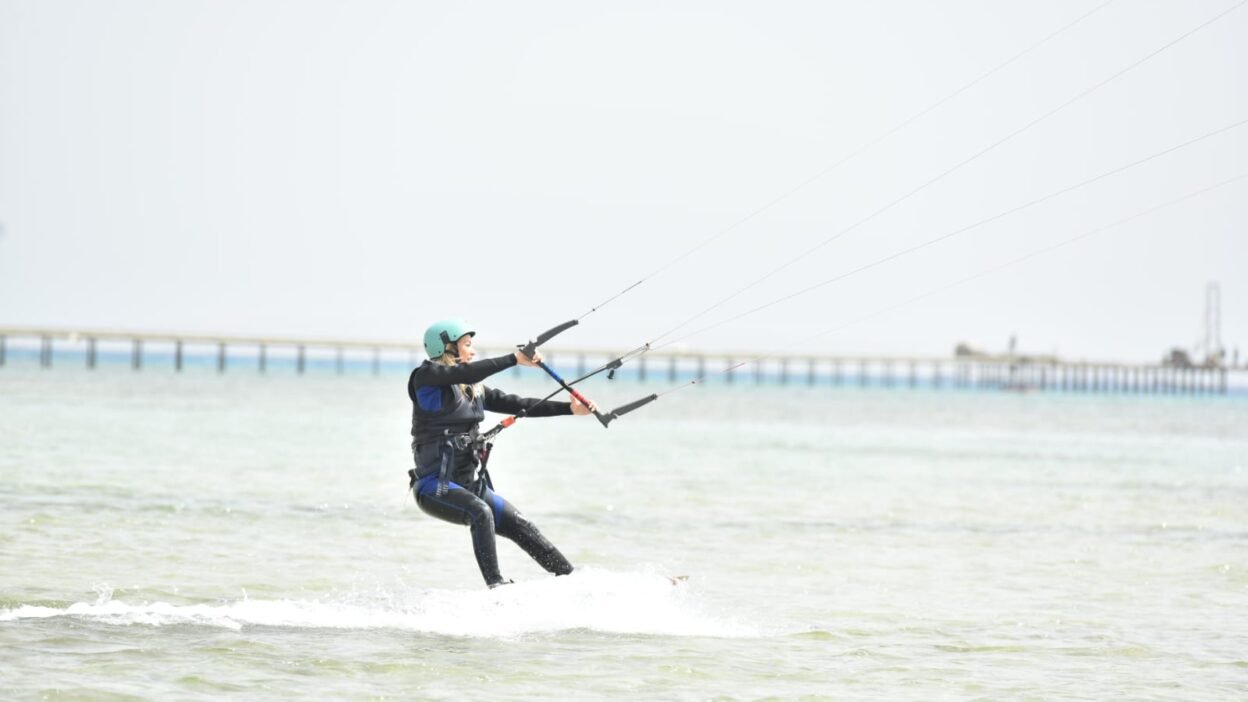
Yes, kitesurfing in Hurghada is considered safe for both beginners and experienced riders due to its ideal natural conditions and professional infrastructure. The Al Ahyaa Lagoon, located north of the city, offers waist‑deep, flat water with a sandy bottom, allowing beginners to stand up at any time. The wind blows side‑onshore for most of the year, meaning it pushes you along the coast rather than out to sea, which is the safest angle for learning. Experienced riders benefit from large, uncrowded areas and rescue services. Multiple sources confirm that Hurghada is one of the few places where a complete beginner can learn to ride independently in three to five days while staying in a controlled environment.
What natural conditions make kitesurfing in Hurghada safe?
The combination of shallow water, consistent thermal winds, and warm temperatures creates an exceptionally safe learning environment. Here are the key natural safety features:
- 🌊 Shallow, flat lagoons – You can stand waist‑deep or chest‑deep for hundreds of meters. There are no hidden rocks or strong currents in the designated teaching zones.
- 🌬️ Side‑onshore wind – The prevailing north‑northwest wind blows at an angle toward the beach. If you lose control, the wind naturally brings you back to shore.
- 🏝️ Reef protection – A barrier reef breaks incoming waves, keeping the water inside the lagoons flat and calm while maintaining clean wind flow.
- ☀️ Predictable wind patterns – During peak season (May–October), thermal winds blow at 15‑25 knots on over 300 days per year. You can plan lessons with confidence.
- 💧 Warm water – The Red Sea stays between 26‑30°C from May to October, eliminating the risk of cold‑water exhaustion that can be dangerous in other destinations.
Are there any serious hazards or risks when kitesurfing in Hurghada?
The main risks in Hurghada are the same as anywhere else in the world: loss of kite control, collisions with other kiters, and ignoring weather warnings. The area itself has no significant unique threats. One authoritative source states, “When it comes to water hazards, Hurghada is relatively safe with no significant threats.” However, there are important exceptions to note:
- ⚠️ Other kiters – Some beaches can become crowded, especially during high season. A Tripadvisor review noted that a tiny beach with “100s of kiters trying to launch” created dangerous conditions. Always choose a school that uses dedicated teaching zones away from the main launch area.
- ⚠️ Boat traffic – Kiters must be aware of occasional tour boats and jet skis. Reputable schools teach you right‑of‑way rules.
- ⚠️ Strong wind days – While rare, winds can exceed 30 knots in September. Kitesurfing becomes hazardous above 27 knots, so always check daily forecasts.
- ⚠️ Shark incidents – A rare shark incident in 2022 led to a temporary water activities ban in part of Hurghada. Such events are extremely uncommon and not a regular concern for kiters.
How does the safety of kitesurfing in Hurghada compare to other destinations?
Hurghada offers superior safety for beginners compared to many European or open‑ocean spots, but slightly less protection than the nearby purpose‑built resort of El Gouna. Here is a direct comparison:
| Feature | Hurghada (Al Ahyaa Lagoon) | El Gouna | Typical Mediterranean spot |
|---|---|---|---|
| Water depth | Waist‑deep, sandy bottom | 0.6‑1m deep, sandy bottom | Often deep immediately |
| Wave conditions | Flat water (reef‑protected) | Flat lagoon | Often choppy or wavy |
| Wind direction | Side‑onshore | Side‑onshore | Variable |
| Rescue services | Lifeboats and radio systems | Rescue boat standby | Often limited |
| Crowding | Can be busy on main beach | Dedicated teaching zones | Varies widely |
For absolute beginners, El Gouna wins on every safety metric because its lagoon is purpose‑built. However, Hurghada remains significantly safer than open‑sea spots in Europe or other parts of Egypt that lack reef protection. The ability to stand up at any point is a massive safety advantage that most destinations cannot offer.
What safety equipment and rescue services are available?
Professional kitesurfing schools in Hurghada provide comprehensive safety equipment and rescue services as standard. Here is what you can expect:
- 🛟 Lifeboats on standby – Schools such as Paradise Kitesurf Red Sea and Harry Nass operate dedicated rescue boats. “With our lifeboat on standby and trained instructors on site, you can focus on having fun, knowing that help is always available.”
- 📻 Radio communication – Beginners receive walkie‑talkies or watertight phone pouches to contact the centre if they drift too far. An observation tower with radio contact ensures constant monitoring.
- 🪁 IKO‑certified instructors – The International Kiteboarding Organization sets global safety standards. Certified schools follow strict protocols, including max two students per instructor in the water.
- 🦺 Proper equipment – Modern kites with multiple safety release systems (chicken loop, leash, and quick releases) are standard. Schools provide helmets, impact vests, and wetsuits as needed.
- 🚑 Emergency medical services – Egypt has established marine ambulance centres along the Red Sea coast to respond to water‑related incidents.
Any school that does not offer these services should be avoided for your own safety.
How many lessons are needed to kitesurf safely in Hurghada?
The minimum recommended lesson time to reach basic safety competence is 6‑8 hours. This is non‑negotiable if you want to practice safely afterward. Most students at Kite School Egypt need 10‑14 hours of instruction to achieve genuine basic independence. After this amount of training, you should be able to:
- Choose appropriate conditions and locations for your skill level
- Set up and check equipment correctly
- Launch and land the kite safely with assistance
- Perform self‑rescue if something goes wrong
- Understand right‑of‑way rules around other kiters
You should be highly sceptical of any school that promises independent riding in 3‑6 hours. “If a kitesurfing school promises you’ll be riding within a specific number of hours, walk away. Seriously.” Skipping safety training to save time is the number one cause of kitesurfing accidents anywhere in the world.
Are there specific safe spots for different skill levels in Hurghada?
Yes, Hurghada has clearly defined areas for beginners, intermediates, and advanced riders. Using the wrong spot for your level is a common mistake that can lead to accidents.
- 🏆 Beginners – Target the shallow, sandy‑bottom lagoons of Al Ahyaa (north Hurghada) and Mangroovy Beach (near El Gouna). These zones have waist‑deep water, designated teaching areas, and no coral hazards. “It offers a wide, flat‑water riding area with sandy footing, no coral hazards, and consistent cross‑onshore winds.”
- 🏄 Intermediate riders – The freeride area in front of centres like Harry Nass provides plenty of space to practice transitions and upwind riding. Water is deeper but still manageable, and rescue boat coverage is available.
- 🚀 Advanced riders – Deeper water beyond the lagoon edges is perfect for hydrofoiling and freestyle. The northern area also offers small waves (0.5‑1.5 metres) for wave riding.
Never venture into advanced zones as a beginner. Stay within the marked teaching areas of your school.
What are the essential safety rules to follow in Hurghada?
Following a few basic rules will keep you and others safe on the water. These guidelines are universal, but especially important in Hurghada due to the high number of seasonal visitors.
- Always check the daily wind forecast – Avoid kiting in winds above 25 knots unless you are an advanced rider. Strong gusts create dangerous conditions even in shallow water.
- Never launch or land alone – Always use the designated beach area and ask a school staff member or fellow kiter for assistance.
- Inspect your equipment before every session – Check for tears in kite lines, worn harness straps, and damaged safety releases.
- Respect right‑of‑way rules – The rider with the wind on their left side goes first. Avoid jumping near other kiters.
- Stay within rescue coverage – Do not kite beyond the marked boundaries of your school or centre. Independent kiting without affiliation to a station is not permitted at many spots for safety reasons.
- Secure your kite on the beach – In strong wind, always place sand on your kite or ask for help. One incident report noted that “it’s always each kiter’s job to secure their own kite” after an accident on the beach.
- Wear neoprene shoes – While most areas are sandy, occasional coral patches and shells can cause cuts. Reef shoes protect your feet.
Kitesurfing in Hurghada People Also Ask
Yes. The shallow, flat lagoons let you stand up at any time, and schools provide dedicated teaching zones. Most beginners ride independently within 3‑6 days.
From May to October, no wetsuit is needed – board shorts and a rash guard are sufficient. From December to March, a 3/2mm shorty or full wetsuit is recommended.
No. Independent kiting without affiliation to a station is not permitted at many spots. Always kite with a school or within a supervised area.
May through October offers the most consistent winds (15‑25 knots) and warmest water. This is the safest window for beginners.
Yes. Many schools hire certified IKO instructors who speak multiple languages, including English, German, Russian, and Czech.
The Egyptian police and ambulance number is 122. Your school will also have a direct rescue contact.
The minimum age for most lessons is 12 years. Children must be able to swim confidently.
Yes. Kitesurfing becomes hazardous above 27 knots (7 Bft). Always check the forecast and never kite in dangerous wind conditions.
Hurghada Kitesurfing Practical Safety Checklist
| Before you go | At the beach | On the water |
|---|---|---|
| Book an IKO‑certified school | Check wind forecast (≤25 knots) | Stay within teaching zone |
| Take 10‑14 hours of lessons minimum | Inspect safety releases and lines | Keep radio/phone accessible |
| Learn self‑rescue procedure | Ask staff about hazards (reef, boats) | Never kite alone |
| Pack neoprene shoes and sun protection | Secure kite before launching | Respect right‑of‑way rules |
| Verify rescue boat is on standby | Use launch/land assistance | Return if conditions change |
✅ Final verdict: Kitesurfing in Hurghada is safe when you respect the rules, train with certified professionals, and choose the right spot for your level. The natural environment – shallow water, side‑onshore wind, and reef protection – provides a forgiving learning environment that is rare anywhere in the world. As with any action sport, the human factor determines safety. Avoid shortcuts, listen to local advice, and you will enjoy one of the safest and most rewarding kitesurfing destinations on Earth.