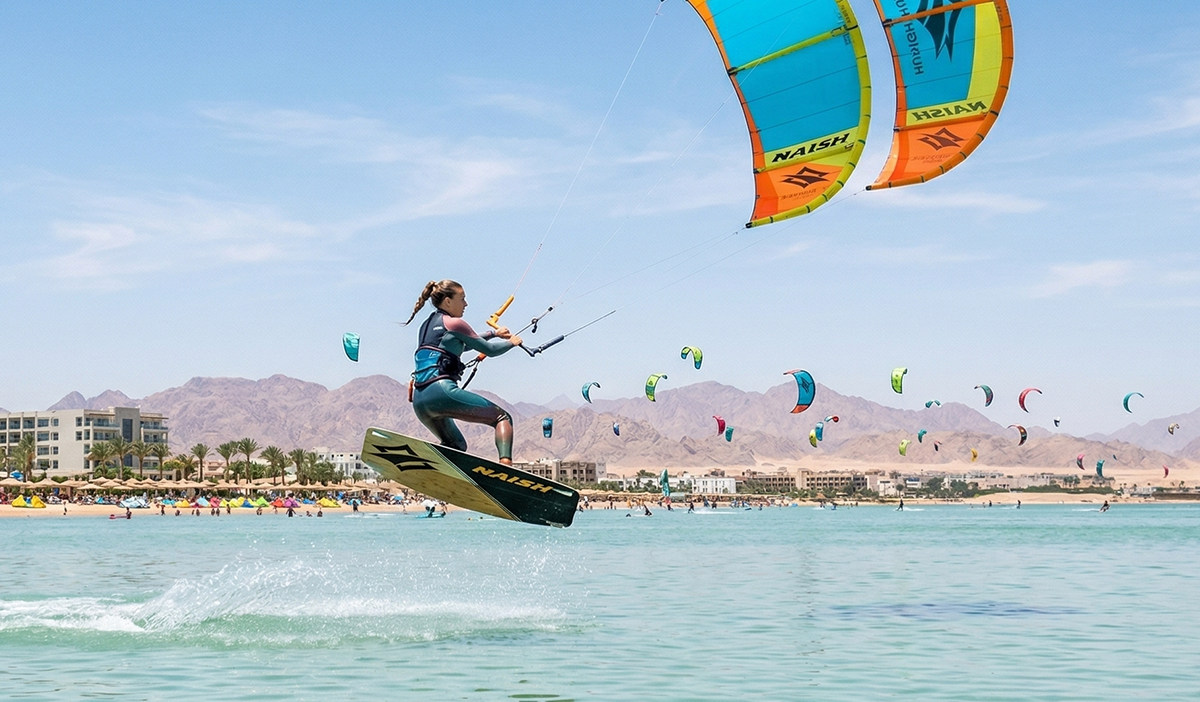
The best time of year to kitesurf in Hurghada is from May through October. During these six months, you get consistent thermal winds of 18-25 knots, warm water up to 28°C, and over 350 days of sunshine. For the absolute peak conditions with the strongest daily wind, plan your trip between June and September. However, Hurghada offers kiteable days year-round, making it a reliable destination even in winter.
What is the Best Time of Year to Kitesurf in Hurghada Egypt?
The Red Sea is a legendary kitesurfing destination. Hurghada sits right at its heart. Thousands of riders travel here each year. They chase steady wind and warm, turquoise water. But picking the right travel window makes all the difference. You want to avoid light-wind days. ifYou want comfortable air temperatures. if You want the perfect conditions for your skill level.
So, what is the best time of year to kitesurf in Hurghada Egypt?
The short answer is the peak season from May to October. This is when the famous thermal winds blow almost every day. The water feels like a bathtub. You can ride in just board shorts. But the best time can change based on your priorities. Are you a beginner?
Do you hate crowds? Do you want the strongest wind possible? This guide breaks down every season, month by month. It answers all your questions about when to kitesurf in Hurghada.
Let’s dive into the details.
Why Hurghada is a Kitesurfing Paradise
Hurghada is not just another beach town. It is a global kitesurfing hotspot. The location is unique. It sits on the Red Sea coast with a desert behind it. This geography creates a perfect wind machine.
The Science of the Thermal Wind
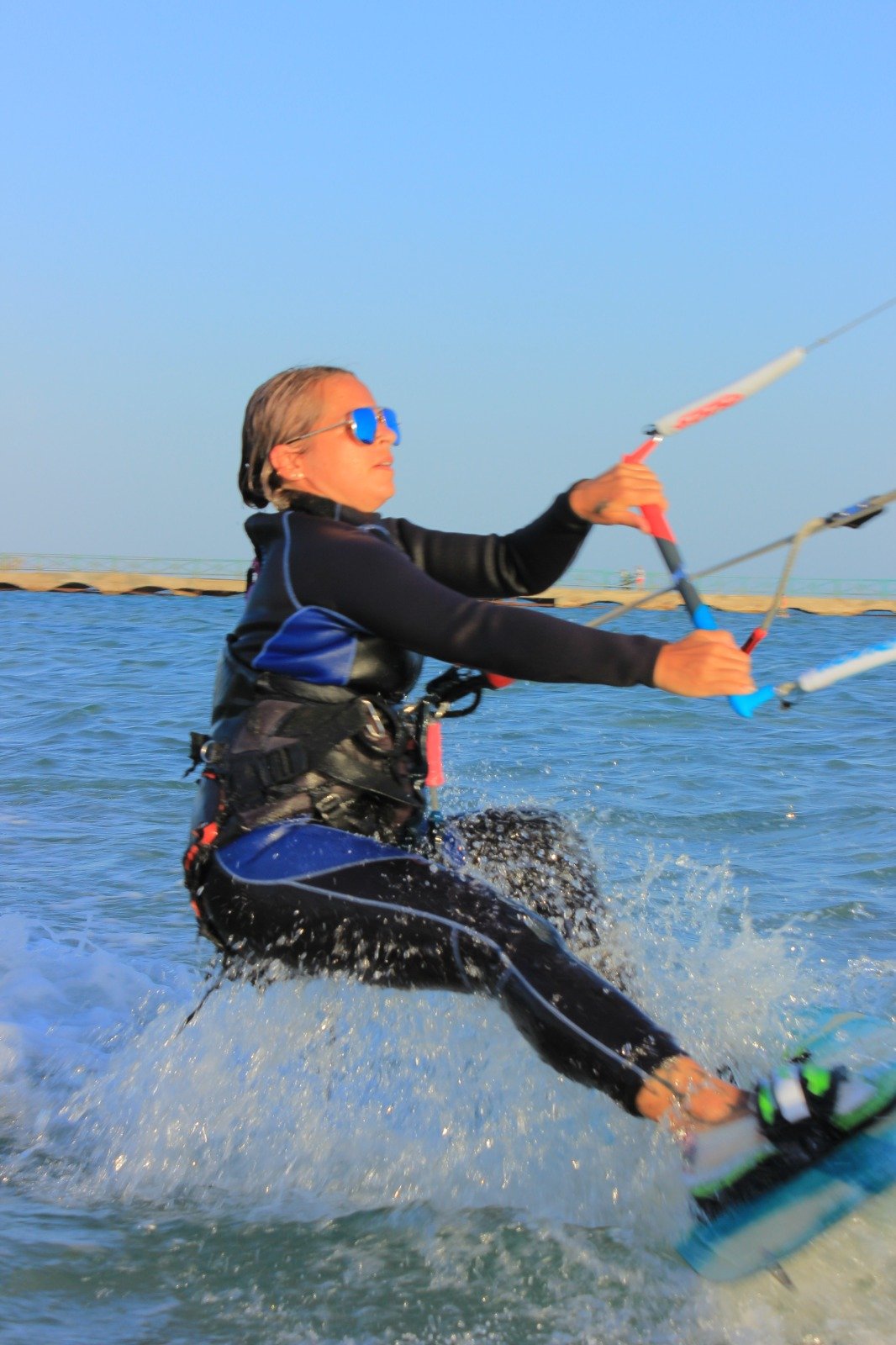
The wind in Hurghada is mostly thermal. The sun heats the vast Eastern Desert during the day. The hot air rises rapidly. Cooler, denser air from the Red Sea rushes in to fill the gap. This creates a steady, predictable breeze. This breeze blows from the north and northwest. It is remarkably consistent. You can set your watch by it in peak season. The wind typically starts late morning. It builds through the afternoon. It often lasts until sunset.
This thermal effect is reliable. It is not dependent on unpredictable weather fronts. This makes Hurghada a safe bet for your holiday. According to local experts, the main wind season runs from March to November. The strongest and most consistent winds occur from April through October.
Year-Round Sunshine and Warm Water
Beyond the wind, the climate is ideal. Hurghada boasts over 350 days of sunshine per year. Rain is almost non-existent. You do not need to worry about your trip being washed out.
The Red Sea water stays warm all year. It never drops below 21°C even in winter. In summer, it reaches a perfect 28°C to 29°C. This means you can kitesurf in Hurghada comfortably in any season. You only need to adjust your wetsuit thickness.
The Peak Season: May to October
This is the golden period for kitesurfing. If you want maximum time on the water, plan your trip here. The wind is nearly guaranteed.
Wind Conditions
During peak season, expect daily thermal winds. They average between 15 and 25 knots. Many days see stronger gusts. Advanced riders will find plenty of powered sessions. The wind direction is predominantly north or north-northwest. It is slightly cross-onshore. This is perfect for the local spots.
One local school notes that April through October delivers steady 15-25 knot winds almost daily. Some offshore areas see even more. Historical averages show 80% kiteable wind from May through October. You can often go weeks without a single windless day. That is serious reliability.
Water and Air Temperatures
The heat builds as summer approaches. Air temperatures range from 30°C in May to over 35°C in August. The water warms up beautifully. It climbs from 24°C in May to a peak of 28°C in August. You can easily kitesurf in Hurghada wearing only boardshorts and a rash vest. No wetsuit is needed for most of this period.
Crowds and Prices
Peak season is popular for a reason. Expect busier lagoons. Kite schools and rental shops fill up. Prices for accommodation and flights are at their highest. If you visit during European summer holidays (July-August), book well in advance. The vibe is energetic. The beach bars are lively. It is a great time for social riders.
The Shoulder Seasons: March to April and November
These months offer a fantastic balance. The wind is still good. The crowds are thinner. The temperatures are milder. Many experienced riders prefer this window.
Spring (March to April)
Spring is a transition period. The wind machine starts to wake up. You get consistent breezes without peak summer heat. Average wind speeds sit around 15-22 knots. It is slightly less predictable than summer. But you will still get many kiteable days. Water temperatures are comfortable at 22-26°C. A shorty wetsuit or a light spring suit is a good idea. Air temperatures are perfect for relaxing on the beach. They range from 24°C to 28°C.
This is an excellent time for beginners. The conditions are not too extreme. The lagoons are less crowded. You get more personal attention from instructors.
Autumn (November)
November is the tail end of the peak season. The thermal winds are still active. But they start to lose some strength. You can expect winds around 12-18 knots. It is lighter but still fun. The water remains warm from the summer. It stays around 24-26°C. Air temperatures are pleasant at about 26°C.
November is a hidden gem. You avoid the summer crowds. You also avoid the winter chill. Prices drop significantly after October. It is a great month for budget-conscious travelers.
The Winter Season: December to February
Winter in Hurghada is mild. It is not the prime wind season. But it is still a viable option. You just need to adjust your expectations and your gear.
Wind Conditions
Winter winds are different. They are frontal, not thermal. This means they come from weather systems. They are less consistent. You might get several strong days followed by light spells. Average wind speeds range from 12 to 20 knots. The direction can be more variable. Check forecasts carefully before booking.
Water and Air Temperatures
This is the coolest time of year. Air temperatures drop to around 20°C to 22°C during the day. Nights can be quite cool. Water temperature falls to 21°C to 22°C. You will definitely need a full wetsuit. A 4/3mm or even a 5/4mm suit is recommended. Some riders also wear booties and a hood on colder days.
Why Choose Winter?
Winter is for the dedicated rider. It is also great for travelers who want to avoid crowds. The kite spots are nearly empty. You get the water almost to yourself. Accommodation prices are at their lowest. Flights are cheaper. If you want to combine kitesurfing with sightseeing, winter is perfect. The cooler weather is ideal for exploring Luxor or Cairo. Just pack a wetsuit and a jacket.
Month-by-Month Kitesurfing Breakdown
Here is a detailed look at each month. Use this to pinpoint your ideal travel time.
| Month | Wind Strength | Water Temp | Air Temp | Wetsuit | Crowds |
|---|---|---|---|---|---|
| January | 12-18 knots | 21°C | 20°C | 4/3mm to 5/4mm | Low |
| February | 12-18 knots | 21°C | 20°C | 4/3mm to 5/4mm | Low |
| March | 15-20 knots | 22°C | 24°C | 3/2mm or Shorty | Low-Medium |
| April | 18-25 knots | 23°C | 26°C | Shorty | Medium-High |
| May | 18-25 knots | 24°C | 30°C | Boardshorts | Medium |
| June | 20-28 knots | 26°C | 32°C | Boardshorts | Medium |
| July | 18-25 knots | 28°C | 36°C | Boardshorts | High |
| August | 18-25 knots | 29°C | 35°C | Boardshorts | High |
| September | 18-25 knots | 28°C | 32°C | Boardshorts | Medium |
| October | 15-22 knots | 26°C | 28°C | Shorty | Medium |
| November | 12-18 knots | 24°C | 24°C | 3/2mm | Low |
| December | 12-18 knots | 22°C | 20°C | 4/3mm | Low |
Detailed Monthly Notes
- January & February: Consistent but lighter wind. Coldest water. Best for advanced riders who own thick wetsuits. Great for escaping European winter.
- March: The wind starts to pick up. Water is still fresh. A great month for progression sessions without the summer heat.
- April: Peak season begins. Wind becomes very reliable. Water warms nicely. Expect more people on holiday.
- May: An excellent month. Strong wind. Warm water. Not yet scorching hot. Perfect balance.
- June: Often the windiest month. Expect powerful daily thermal winds. Hot air temperatures.
- July & August: Peak heat. The water is amazingly warm. Wind is strong but can be slightly gustier. Arrive early to beat the afternoon heat.
- September: Still fantastic. The intense summer heat starts to fade. Water remains warm. Crowds thin out after summer holidays.
- October: The last month of true peak season. Wind is still good. Temperatures are very pleasant. A favorite for many riders.
- November: Shoulder season. Wind becomes lighter. Water still warm from summer. Prices drop.
- December: Winter sets in. Wind becomes frontal. Pack a full wetsuit. Spots are quiet.
Best Time for Different Skill Levels
Your skill level changes what “best” means. A beginner has different needs than a pro.
Best Time for Beginners
Beginners need safe conditions. You want shallow, flat water. You want consistent but not overpowering wind.
The best months for beginners are March to May and September to October.
In spring and autumn, the wind is steady at 15-20 knots. This is ideal for learning. It is strong enough to pull you. But it is not so strong that you feel scared. The water is shallow in the main lagoon at Al Ahyaa. You can stand up easily. The air temperatures are comfortable. You are not overheating in a wetsuit. The crowds are smaller in the shoulder months. This means more space and better instructor attention.
Avoid July and August if you are a beginner. The heat can be intense. The wind can be very strong on some days. Also avoid winter if you dislike cold water.
Best Time for Intermediate and Advanced Riders
Experienced riders want power. You want strong, consistent wind for jumps and tricks.
The best months for advanced riders are June, July, and August.
These summer months deliver the strongest thermal winds. You will often get 20-25 knots or more. can use smaller kites. You can boost big air. The consistent afternoon wind allows for long sessions. You can also explore offshore spots. Many kite safaris operate during these months. They take you to islands with even stronger wind.
If you prefer slightly less intense conditions, May and September are also excellent.
What to Pack for Your Kitesurfing Trip
Packing smart improves your trip. You want to be comfortable on and off the water.
Wetsuit Guide
- Summer (June to September): Boardshorts and a rash vest. A very thin shorty (1-2mm) is optional for longer sessions.
- Spring & Autumn (March-May, October-November): A shorty (2mm) or a light fullsuit (3/2mm). This will keep you warm during morning and evening sessions.
- Winter (December to February): A full wetsuit (4/3mm or 5/4mm). Some riders also use neoprene booties and a hood. The air can be cool after sunset.
Kite Sizes
Kite size depends on your weight and the wind. Here is a general guide for an average 75-80kg rider.
- Peak Season (18-25 knots): 7m to 9m kite.
- Shoulder Season (15-20 knots): 9m to 12m kite.
- Winter (12-18 knots): 12m to 14m kite, or even larger.
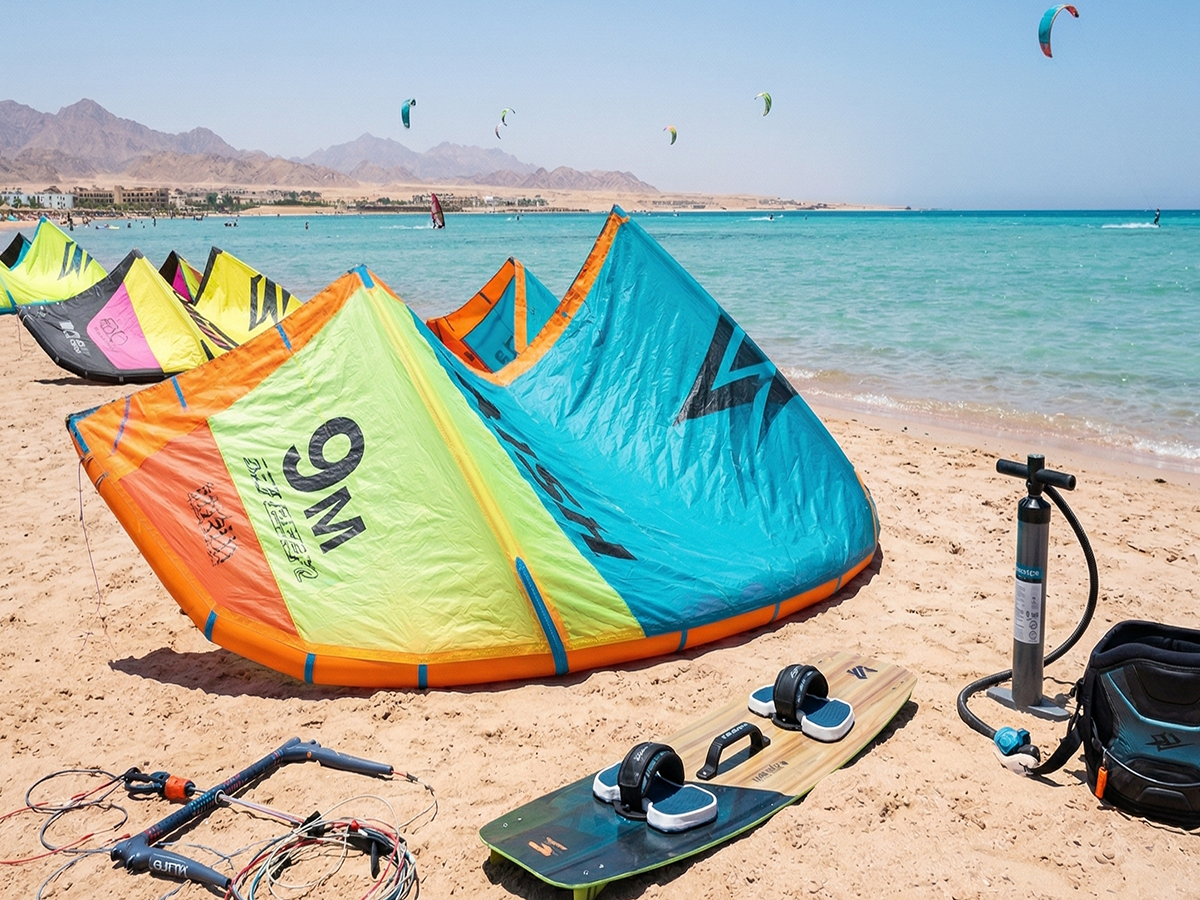
The most commonly used kite size at Hurghada is a 9-10m for a 75kg rider. It is wise to bring a two-kite quiver. For example, a 9m and a 12m. This covers most conditions you will encounter.
Other Essentials
- High-SPF sunscreen and lip balm.
- Rash vest for sun protection.
- Sunglasses with a floating strap.
- A wind meter or a reliable wind app (Windguru, Windfinder).
- A light jacket or hoodie for cool evenings (especially in winter).
- Water shoes for rocky entry points.
Top Kitesurfing Spots in Hurghada
Knowing the best spots enhances your experience. Hurghada has options for all levels.
Al Ahyaa Lagoon (The Main Spot)
This is the primary kitesurfing area. It is located north of the city center. The lagoon is huge. It offers waist-deep, flat water. The bottom is sandy. This makes it perfect for beginners and freestyle riders. The wind is side-onshore. It is very safe. Several kite schools operate here. You will find gear rental and rescue services.
Mangroovy Beach (El Gouna)
El Gouna is a short drive north of Hurghada. Mangroovy Beach is a famous spot. It offers wide, shallow water. The wind is steady. Launch areas are well-organized. It is excellent for learners and freestyle. The area is part of a resort town. It has great facilities, cafes, and a vibrant atmosphere.
Magawish Area
This spot is south of the main city. It delivers stronger breeze. There is more open space. The water is a bit deeper. It is ideal for intermediate and advanced riders. You can practice downwinders and jumps. It is less crowded than the main lagoon.
Offshore Islands (Kite Safaris)
For the ultimate experience, consider a kite safari. You live on a boat. You sail to remote islands like Tawila, Geisum, and Ashrafi. The wind here is stronger and cleaner. It often has 4-5 knots more than on the coast. The water is crystal clear. The scenery is stunning. This is for advanced riders who want an adventure.
Practical Tips for Planning Your Trip
- Book in Advance for Peak Season: May through October is busy. Secure your accommodation and kite school lessons early.
- Arrive Early: Wind often picks up in late morning. Arrive at the spot by 10 AM to get ready. You will maximize your session.
- Stay Near the Spot: Choose a hotel or apartment close to Al Ahyaa Lagoon or El Gouna. This saves travel time. You can walk to the water in minutes.
- Use Wind Apps: Check Windguru or Windfinder daily. Local conditions can vary. These tools help you choose the right kite size.
- Respect the Rules: Kite spots have designated launch and landing areas. Follow local safety guidelines. Be aware of other riders.
- Consider Travel Insurance: Get insurance that covers kitesurfing. It should include equipment damage and medical evacuation.
- Combine with Other Activities: Hurghada has great snorkeling and diving. The Red Sea coral reefs are world-famous. Take a day off from kiting to explore.
Hurghada Best Time to Kitesurf Frequently Asked Questions (FAQ)
Yes, you can. The kitesurfing season runs year-round. However, conditions vary. Summer offers the strongest and most consistent wind. Winter has lighter and more variable wind. But you can find kiteable days in every month
June is often considered the windiest month. It regularly sees 20-28 knots. The thermal winds are fully developed. The summer heat creates a powerful pressure gradient
It depends on the season. From June to September, you do not need a wetsuit. Boardshorts are fine. From March to May and October to November, a shorty is recommended. From December to February, a full 4/3mm or 5/4mm wetsuit is necessary
Absolutely. Hurghada is one of the best places in the world to learn. The main lagoon has shallow, flat water. The wind is consistent and side-onshore. There are many IKO-certified schools. The conditions are safe and forgiving
Winter (December to February) and late autumn (November) are the cheapest. Flights and hotels drop in price. Kite schools also have more availability. Just remember to bring a wetsuit.
In the peak months of May through October, you can expect wind on 80% or more of days. Some operators report going weeks without a single non-kiteable day. It is extremely reliable.
For a 75-80kg rider, a 9m and a 12m kite are a good quiver. Use the 9m on typical 18-25 knot days. Use the 12m on lighter days (12-16 knots) or in winter.
The Red Sea is generally safe. You might see harmless reef fish. There are occasional reports of stonefish or lionfish. Do not step on rocks or coral. Wear water shoes if you are unsure. Jellyfish are rare in the main kitesurfing lagoons.
Yes, easily. Many kite schools and shops offer high-quality rental gear. You can rent complete setups including kites, boards, bars, and wetsuits. It is best to reserve in advance during peak season.
Water temperature ranges from 21°C in winter to 29°C in August. The warmest months are July, August, and September. The coolest months are January, February, and March.
Final Verdict: When Should You Go?
After reviewing all the data, the best time to kitesurf in Hurghada depends on you.
- For guaranteed daily wind: Go in June, July, or August.
- For comfortable temperatures and good wind: Go in May or September.
- For learning with fewer crowds: Go in March, April, or October.
- For a budget trip: Go in November or winter (December to February).
No matter when you choose, Hurghada delivers. The Red Sea wind is one of the most consistent on the planet. The warm, clear water is inviting. The local kitesurfing community is welcoming.
Your next step is clear. Check your calendar. Pick your window. Book your flights. Pack your gear. Get ready to experience world-class kitesurfing on the Red Sea.
Practical Checklist for Your Hurghada Kitesurfing Trip
Use this step-by-step checklist to prepare.
- [ ] Choose Your Travel Month: Use the table above to match your skill level and preferences.
- [ ] Book Flights and Accommodation: Do this 2-3 months in advance for peak season (May-Oct).
- [ ] Arrange Kite School or Rental: Reserve your spot, especially if you need lessons.
- [ ] Check Your Gear: Inspect your kites, lines, board, and bar. Pack spare parts (valves, line, tape).
- [ ] Pack Your Wetsuit: Select the correct thickness based on your travel month.
- [ ] Download Wind Apps: Install Windguru or Windfinder on your phone.
- [ ] Purchase Travel Insurance: Ensure it covers kitesurfing accidents and equipment loss.
- [ ] Plan Non-Kiting Days: Book a snorkeling trip or a desert safari for rest days.
- [ ] Arrange Airport Transfer: Know how to get from Hurghada Airport to your hotel.
- [ ] Notify Your Bank: Avoid card issues when paying for lessons or gear.
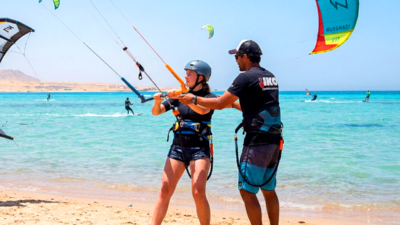
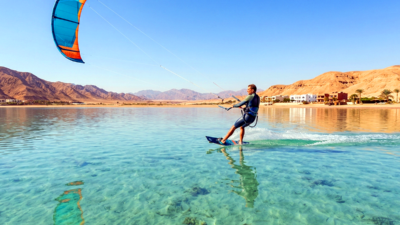
[…] enjoys a near-perfect climate for kitesurfing nearly year‑round. The Red Sea region benefits from steady thermal winds that blow consistently […]
[…] The best time to learn kite surfing in Hurghada is between April and October. During these months, you will experience consistent thermal winds averaging 18–25 knots daily, with water temperatures between 26–30°C — warm enough that you don’t need a wetsuit. For a beginner, this consistency is gold: you can book a week‑long course with confidence, knowing you will likely have rideable wind every day. March and November are also excellent alternatives with slightly fewer crowds, offering 15–22 knot winds and water around 22–26°C. Even in winter (December–February), you can still learn, with 12–18 knot winds and water around 20–22°C, though a light wetsuit is recommended. […]