Season Kitesurf Hurghada: The Ultimate Guide to Wind, Weather, and Riding Spots
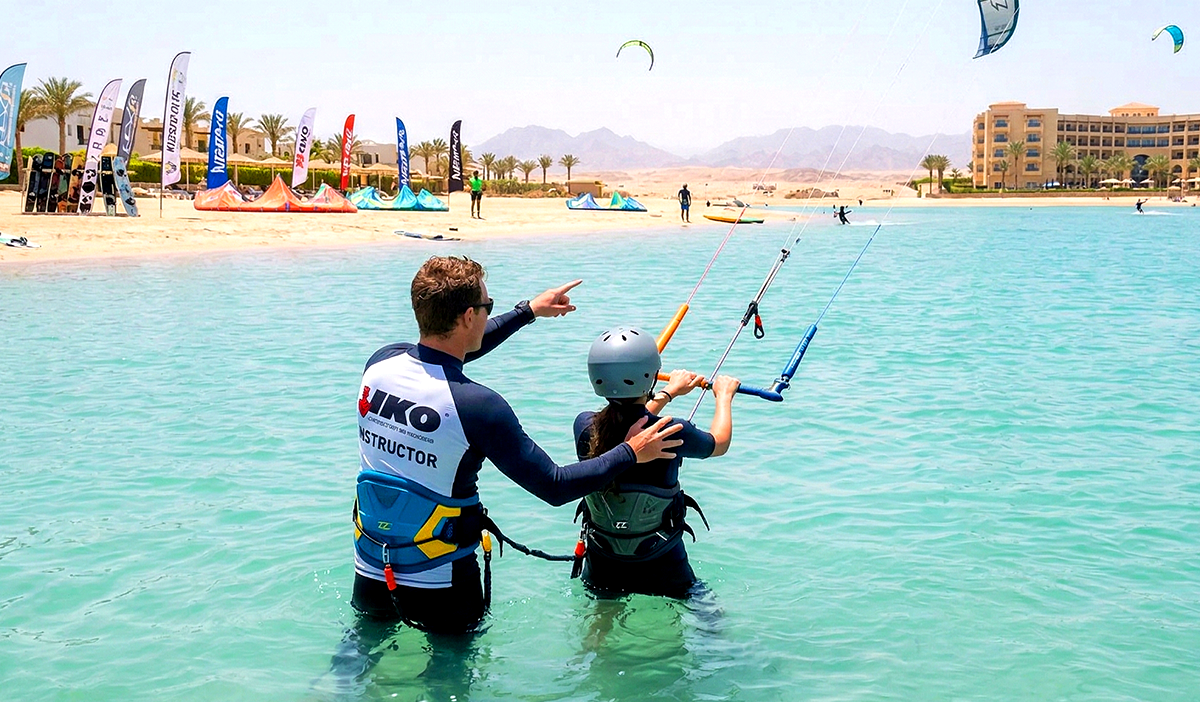
If you are searching for the world’s most consistent kitesurfing destination, Kitesurf Hurghada offers an unbeatable combination of reliable thermal winds, warm waters, and diverse spots for every skill level. The prime season for Hurghada kitesurf runs from May through October, delivering daily winds of 18 to 25 knots, flat-water lagoons perfect for beginners, and advanced conditions for experienced riders. While the sport thrives year-round, understanding the seasonal nuances—from winter frontal winds to summer thermal systems—ensures you maximize time on the water. This guide provides a professional, detailed breakdown of when to go, where to ride, and how to plan the perfect kitesurfing holiday on Egypt’s Red Sea coast.
Why Hurghada Has Become a Global Kitesurfing Hub
Hurghada’s transformation from a quiet fishing village to a premier water sports destination didn’t happen by accident. The city stretches along the Red Sea for over 40 kilometers, with its northern shores offering unique geographical advantages. The combination of desert heat and sea breezes creates predictable wind patterns that kitesurfers dream about .
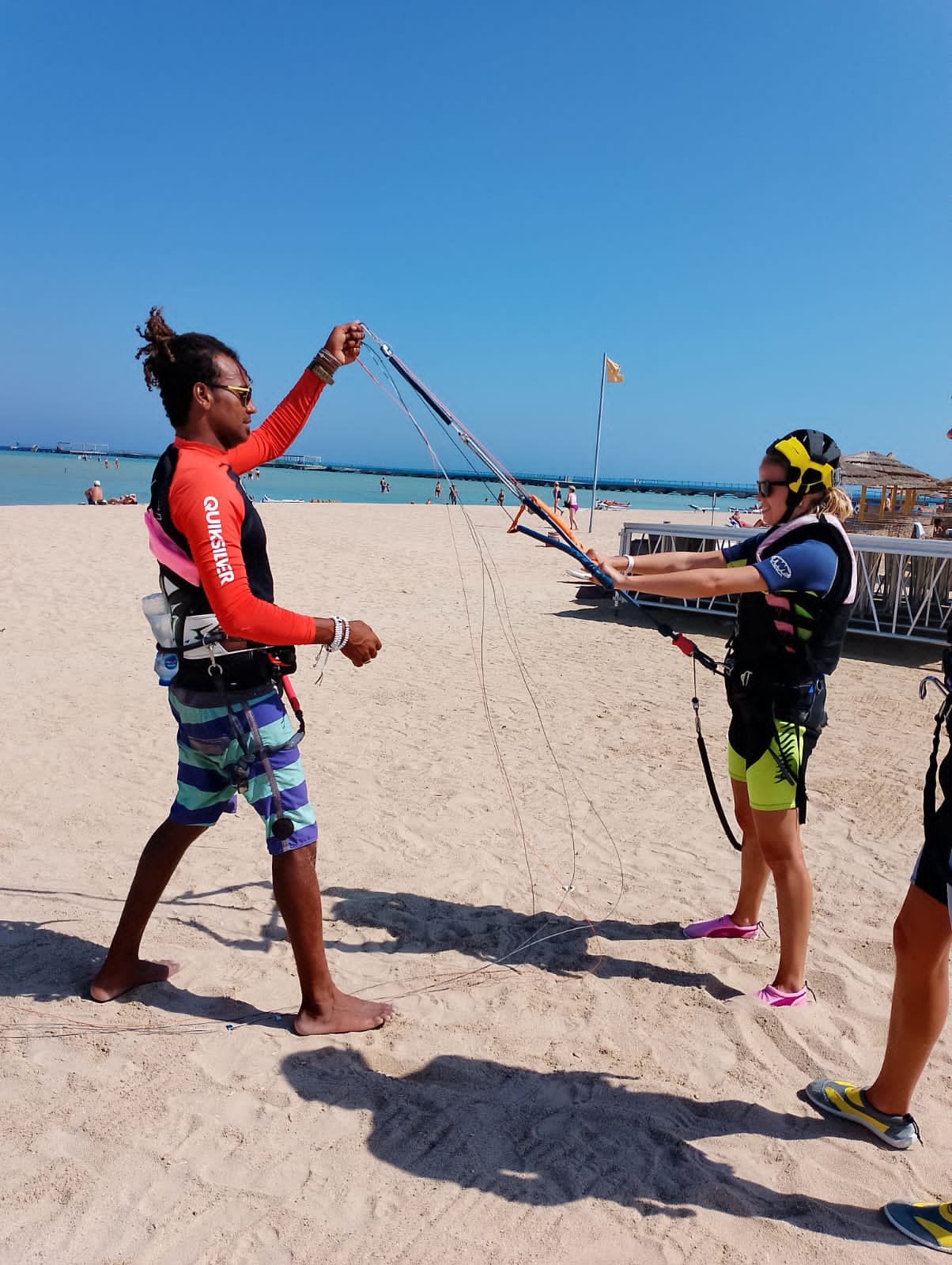
The area’s infrastructure has grown alongside its reputation. Today, you’ll find internationally certified schools, professional gear rental centers, and accommodations ranging from luxury resorts to budget-friendly apartments. Unlike many kitesurfing destinations that require advanced skills, Hurghada caters to everyone—from first-time students to professional riders seeking new challenges.
What sets Hurghada apart is the accessibility of its spots. Most kite centers sit within 20 to 30 minutes of the international airport, and the riding areas feature sandy bottoms without dangerous coral or rocks in the main zones . This combination of convenience and safety has made Kitesurf Hurghada a favorite for solo travelers, families, and group trips alike.
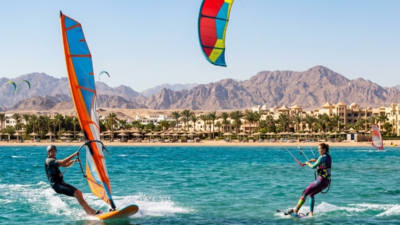
Best Time for Hurghada Windsurfing | Month-by-Month Guide
Understanding the Kitesurfing Seasons in Hurghada
Peak Season: May Through October
The peak season represents the gold standard for Hurghada kitesurf conditions. During these months, the desert heat intensifies, creating a powerful thermal low-pressure system that pulls steady northerly winds across the Red Sea. You can expect winds of 18 to 25 knots almost daily, with occasional stronger days reaching 30 to 35 knots for advanced riders .
Water temperatures during peak season range from 26°C to 30°C. Most riders wear only boardshorts, a lycra top, or a 2mm shorty for sun protection. The air temperature climbs to 35°C or higher, but the constant wind and dry climate make conditions comfortable for extended sessions .
The daily wind pattern follows a reliable rhythm. Mornings start lighter, often around 12 to 15 knots. By late morning, the wind builds steadily, reaching maximum strength by early afternoon and holding until sunset. This predictability allows you to plan sessions around other activities like sightseeing or simply relaxing by the pool.
August represents the peak of the peak season. The Red Sea warms to 28°C, and the thermal wind engine operates at full capacity. However, this also means the highest concentration of visitors. If you prefer slightly quieter conditions, consider May, June, or September, when winds remain excellent but crowds thin out .
Shoulder Seasons: March, April, and November
March, April, and November offer a compelling alternative for those who prioritize space over maximum wind strength. During these months, wind speeds average 15 to 22 knots—still perfectly kiteable for all levels—but the consistency decreases slightly compared to peak summer .
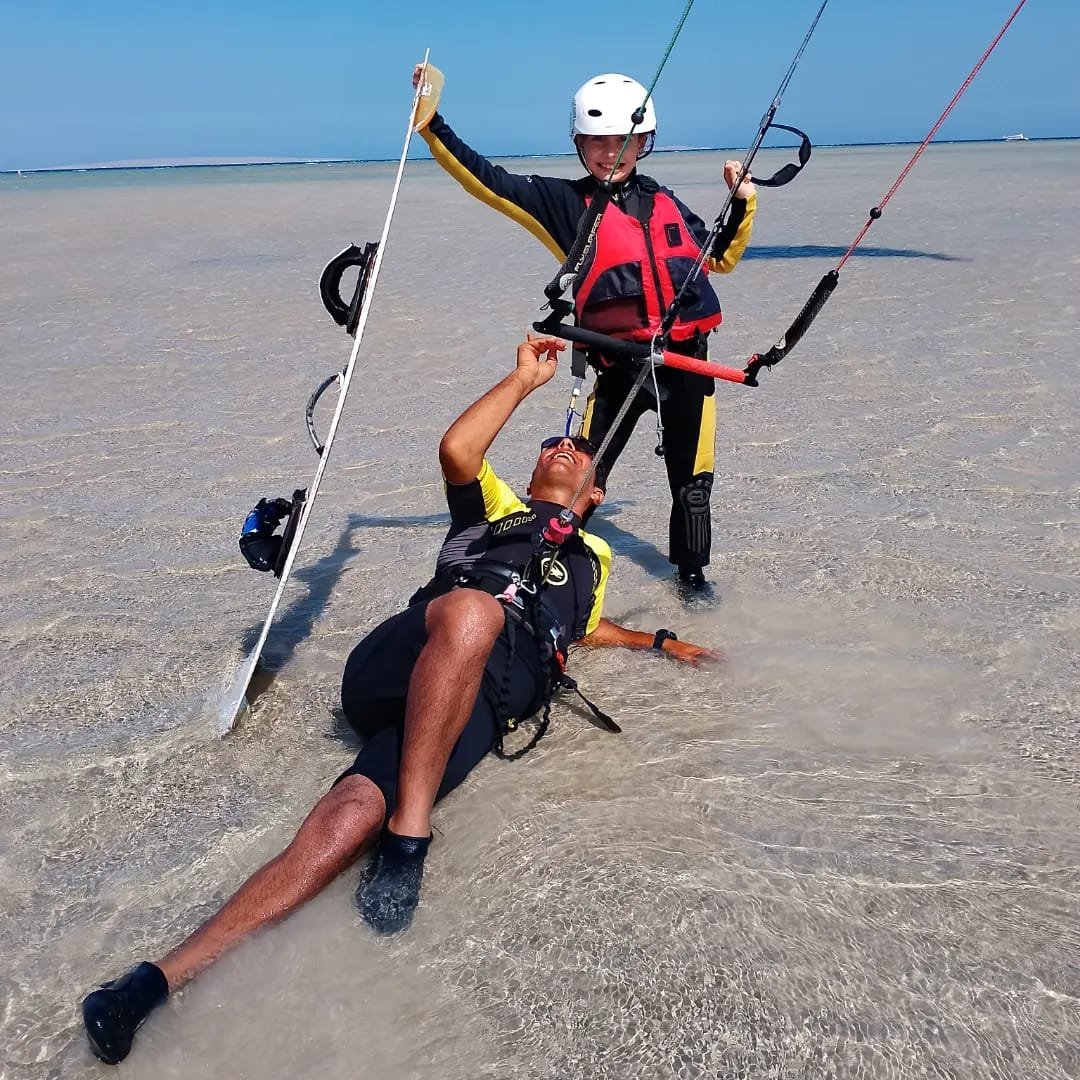
Water temperatures during these shoulder months range from 22°C to 26°C. A 3/2mm shorty or full wetsuit provides comfort, especially for longer sessions or if you’re sensitive to cooler water. The air temperature remains pleasant, avoiding the intense heat of summer.
One advantage of the shoulder season is the reduced competition for space. Kite centers operate with smaller crowds, and the lagoons feel less congested. For intermediate riders looking to progress without navigating busy launch zones, this period works exceptionally well.
Winter Months: December Through February
Winter proves that Kitesurf Hurghada truly operates year-round, though conditions change significantly. Frontal weather systems replace thermal winds, bringing more variable conditions. Wind speeds typically range from 12 to 18 knots, with periods of lighter wind or calm days between systems .
Water temperatures drop to 20°C to 22°C during winter. A 3/2mm full wetsuit or thicker 4/3mm becomes necessary for comfort. The air temperature remains mild, rarely falling below 18°C during the day, making it one of the warmest winter kitesurfing destinations globally.
Winter attracts a different type of rider. Advanced kiters who can maximize lighter wind conditions, foil enthusiasts, and those combining kitesurfing with other Red Sea activities like diving or sightseeing often prefer this period. The wind may not blow every day, but when it does, you’ll often have the water to yourself .
Monthly Wind Breakdown for Kitesurf Hurghada
| Month | Wind Speed (knots) | Water Temp (°C) | Wetsuit | Crowd Level |
|---|---|---|---|---|
| January | 12-18 | 20-22 | 3/2mm full | Low |
| February | 14-20 | 20-22 | 3/2mm full | Low |
| March | 15-22 | 22-24 | 2mm shorty | Medium |
| April | 16-24 | 24-26 | 2mm shorty | Medium-High |
| May | 18-25 | 26-28 | Lycra/shorty | High |
| June | 18-25 | 27-29 | Lycra | Very High |
| July | 18-25 | 28-30 | Lycra | Very High |
| August | 18-25 | 28-30 | Lycra | Peak |
| September | 18-25 | 27-29 | Lycra | High |
| October | 16-24 | 26-28 | 2mm shorty | Medium-High |
| November | 14-22 | 24-26 | 2mm shorty | Medium |
| December | 12-18 | 21-23 | 3/2mm full | Low |
Best Kitesurfing Spots in Hurghada
Al Ahyaa Lagoon: The Premier Location
Al Ahyaa Lagoon, located on Hurghada’s northern side, represents the epicenter of Kitesurf Hurghada activity. This expansive lagoon offers the ideal learning environment with shallow, waist-deep water extending 150 to 200 meters from shore . The sandy bottom provides a forgiving surface for beginners learning water starts or practicing self-rescue techniques.
The lagoon’s geography creates unique advantages for different skill levels. Shallow areas near the shore allow beginners to stand comfortably while mastering kite control. As you progress toward the lagoon’s outer edges, deeper water opens up for advanced maneuvers, hydrofoiling, and freestyle practice .
Multiple kite centers operate along Al Ahyaa’s shores, each with designated launch zones and safety protocols. This concentration of facilities means you can choose from various schools, rental options, and storage services. Most centers provide paid beach access with amenities including compressors, showers, changing rooms, and cafes .
El Gouna: The Sophisticated Alternative
Located approximately 30 kilometers north of Hurghada, El Gouna offers a more upscale kitesurfing experience. This purpose-built resort town features multiple lagoons and dedicated kiteboarding clubs. The area’s infrastructure caters specifically to water sports enthusiasts, with accommodations within walking distance of launch zones .
El Gouna’s Sliders Cable Park provides a unique backup option for light-wind days. As North Africa’s first cable park, it offers wakeboarding and cable-assisted kitesurfing practice when natural wind conditions prove insufficient .
Soma Bay and Safaga: Advanced Riding Zones
For experienced riders seeking waves and stronger offshore conditions, the areas south of Hurghada—Soma Bay and Safaga—deliver different challenges. These spots feature more open water exposure, resulting in larger swell and cleaner wind due to fewer coastal obstructions .
The Kite Spirit Egypt center in South Safaga provides a dedicated facility for advanced riders. Wind conditions here often exceed those in Hurghada by 4 to 5 knots, making it a favorite for those chasing maximum performance .
Wind Patterns and What They Mean for Your Session
The prevailing wind direction in Hurghada comes from the north or north-northwest. This consistent direction creates cross-onshore conditions at most spots, meaning the wind blows at an angle toward the shore rather than directly onshore or offshore. Cross-onshore wind provides the safest profile for both learning and advanced riding .
Thermal winds dominate during peak season. The desert heats during the day, creating a low-pressure area that pulls cooler air from the north across the Red Sea. This thermal system produces remarkably consistent afternoon winds that allow you to predict conditions with confidence .
Frontal winds characterize the winter months. These weather-driven systems bring more variable conditions, often with stronger gusts and periods of calm between systems. Advanced riders appreciate the winter pattern for its dynamic challenges, while beginners may find the unpredictability less ideal for lessons .
Understanding local wind timing maximizes your session quality. During peak season, the wind builds through late morning, peaks in early afternoon, and holds steady until sunset. Arriving at the beach by 10:00 AM allows you to catch the building breeze, rig your gear, and hit the water as conditions optimize.
Choosing the Right Kite Size for Hurghada
Kite sizing follows predictable patterns based on season and rider weight. For a 75 kg rider, a 9 to 10 meter kite serves as the most versatile option during peak season. This size handles the 18 to 25 knot range effectively, providing enough power for easy water starts without becoming overpowering during stronger periods .
Lighter wind days, particularly during shoulder seasons or winter, benefit from a 12 meter kite. This larger surface area captures the 12 to 16 knot breezes and maintains sufficient power for comfortable riding. Many experienced riders bring a quiver of two kites—a 9 meter for peak conditions and a 12 meter for lighter days—to ensure coverage across the season’s full wind spectrum .
Riders above 85 kg should add one to two meters to these recommendations. Lighter riders under 65 kg can often use an 8 meter as their primary peak-season kite. Consulting with local instructors upon arrival provides personalized sizing based on current conditions and your specific gear.
Learning to Kitesurf in Hurghada: What to Expect
Structured Lesson Programs
Kitesurfing schools in Hurghada follow structured curricula designed to progress students efficiently and safely. Most schools offer standardized packages ranging from three to six days, with the average beginner requiring four to five days to achieve independent riding status .
The learning process typically moves through four phases. Phase one covers land-based skills: kite setup, safety systems, wind theory, and basic kite control. Phase two introduces water-based fundamentals like body dragging, water re-launch, and self-rescue procedures. Phase three focuses on board skills including water starts and short rides. Phase four develops independent riding with upwind capability and spot navigation .
The Value of Guaranteed Learning Programs
Several Hurghada schools now offer results-guaranteed programs that refund unused days if wind conditions interrupt your course. This approach reflects the confidence instructors have in both the local conditions and their teaching methodology .
These programs typically include radio helmet coaching, allowing instructors to provide real-time feedback while you ride. Video analysis after sessions helps identify areas for improvement, accelerating the learning curve significantly. Small group sizes—often limited to two students per instructor—ensure personalized attention throughout your lessons .
Certification and Continuing Progression
Upon completing your course, you can pursue IKO or VDWS certification. These internationally recognized credentials validate your skill level and allow you to rent equipment at centers worldwide. Some schools include IKO certification free with course packages, while VDWS certification may require a nominal additional fee .
For those who complete their initial training but want to progress further, advanced coaching sessions focus on specific skills like jumping, looping, hydrofoiling, or wave riding. These specialized sessions typically run three to nine hours and target riders who already demonstrate independent upwind capability .
Equipment Rental, Storage, and Facilities
Rental Options
Rental quality in Hurghada meets international standards, with most centers stocking current-year gear from reputable brands like NAISH, ELEVEIGHT, FLYSURFER, and CRAZYFLY . Daily rental rates vary by equipment quality and whether you need a full package including kite, board, harness, and safety gear.
For certified riders, rental provides a convenient option without the hassle of traveling with bulky equipment. Most centers require proof of IKO Level 3 certification or equivalent before renting to ensure safety and appropriate gear selection.
Storage Solutions
If you bring your own equipment or stay for an extended period, storage services offer secure, convenient options. Typical storage costs run 5 to 10 euros per day, with discounts for weekly or monthly bookings .
Storage facilities include:
- Locked boxes or racks for kites, boards, and harnesses
- Washing stations for rinsing saltwater from gear
- Drying areas with adequate airflow
- 24-hour security and camera surveillance
Beach Access Fees
Most kite centers charge a daily or weekly fee for beach access and facility use. These fees typically include:
- Compressor for kite inflation
- Dedicated launch and landing assistance
- Showers, changing rooms, and toilets
- Wi-Fi access
- Rescue boat availability
Standard rates average 10 euros per day for individuals, with reduced rates for couples or extended stays. Some centers offer loyalty discounts for returning visitors, ranging from 5% to 20% based on visit count .
Accommodation and Logistics
Where to Stay
Your choice of accommodation significantly impacts your kitesurfing experience. The northern district of Al Ahyaa, particularly the Fairuz area, offers the most convenient access to kite centers. Apartments and studios in this area range from 130 to 250 euros monthly, depending on proximity to the water .
For shorter stays, hotels near kite centers provide the simplest solution. Properties like AMC Royal, Hawaii Le Jardin, and Sunrise offer proximity to Al Ahyaa’s main spots. El Gouna’s resort accommodations provide a more polished experience with direct access to dedicated kiteboarding clubs .
Transportation
Hurghada International Airport (HRG) receives direct flights from major European cities and regional hubs. From the airport, most kite centers sit 20 to 30 minutes away by car. Taxis charge approximately 3 to 5 dollars for most trips within Hurghada, making transportation affordable and convenient .
For extended stays, car rental offers flexibility, with monthly rates around 200 to 250 dollars. International driving permits are recommended for non-EU license holders. Local minibuses provide the cheapest transportation option, though routes and schedules require local knowledge to navigate effectively .
Safety Considerations and Local Regulations
Water Safety
Hurghada’s kitesurfing areas maintain good safety records due to several factors. Sandy bottoms reduce injury risk from impacts or coral contact. Shallow lagoons allow beginners to stand and recover easily. Dedicated launch zones separate kitesurfers from swimmers and other water users .
Nevertheless, water shoes provide essential protection. While the sandy bottom feels comfortable, occasional broken shells or small rocks can cause cuts. Water shoes also protect against the rare sea urchin found in deeper areas .
Rescue Services
Most kite centers maintain rescue boats on standby during operating hours. These boats respond quickly to equipment failures, injuries, or riders who drift beyond safe zones. Centers also post weather updates and wind forecasts prominently, allowing you to make informed decisions about session timing .
Kitesurfing Etiquette
Respecting local rules ensures safety for everyone. Key guidelines include:
- Launch and land only in designated areas
- Maintain clear communication with beach assistants
- Yield to riders already on the water when entering
- Keep appropriate distance from other riders
- Avoid riding near swimmers or dive flags
Beyond Kitesurfing: Complementary Activities
Kite Safaris
For the ultimate Red Sea experience, kite safaris combine multi-day sailing with access to remote spots. Luxury catamarans transport riders to islands north of Hurghada, including Tawila, Geisum, and Ashrafi, where wind conditions often exceed coastal averages by 4 to 5 knots .
These safaris operate primarily during peak season, when winds remain consistent and weather conditions stabilize. Participants enjoy flat-water lagoons, uninhabited beaches, and the freedom to ride without the crowds typical of shore-based spots .
Snorkeling and Diving
The Red Sea’s renowned coral reefs lie within easy reach of Hurghada. Many kite centers arrange snorkeling or diving excursions on light-wind days. These trips offer a complete Red Sea experience beyond kitesurfing, with vibrant marine life and crystal-clear waters.
Exploring El Gouna
The resort town of El Gouna provides dining, nightlife, and cultural experiences. Its network of lagoons, restaurants, and shops creates a self-contained destination popular with European visitors. The town’s pedestrian-friendly layout and regular shuttle services make exploration easy.
Practical Checklist for Your Kitesurfing Trip
- Choose your season: Book peak season (May-October) for maximum wind consistency or shoulder seasons (March-April, November) for lighter crowds
- Select your spot: Al Ahyaa Lagoon for beginners and all-level riding; El Gouna for upscale amenities; Soma Bay/Safaga for advanced conditions
- Pack appropriate gear: 9-10m kite for peak season, 12m for lighter days; wetsuit based on season (lycra for summer, 3/2mm for winter)
- Arrange accommodation: Book near your chosen kite center; Fairuz area for apartment stays, northern resorts for hotel convenience
- Verify certification: Bring IKO or VDWS card if renting; schools provide certification upon course completion
- Plan transportation: Airport transfers available; taxis readily available; car rental suitable for extended stays
- Budget for beach fees: 10 euros daily or 50 euros weekly for access and facilities
- Consider travel insurance: Ensure coverage includes kitesurfing and equipment protection
- Book lessons in advance: Peak season fills quickly; reserve spots before travel
- Pack sun protection: High-SPF sunscreen, sunglasses, hat; the Red Sea sun proves intense even with constant wind
Season Hurghada Kitesurf Frequently Asked Questions
May and September offer the optimal balance: peak season wind conditions with slightly lower crowds and more comfortable air temperatures than the peak summer months.
During summer (June-September), a lycra top or 2mm shorty suffices. From November through March, a 3/2mm full wetsuit provides necessary warmth. April-May and October require flexible options depending on conditions .
Absolutely. The shallow lagoons, consistent wind, and sandy bottoms make Hurghada one of the world’s safest places to learn. Many schools offer results-guaranteed programs for beginners .
Most beginners achieve independent riding after four to five days of structured lessons. Three-day intensive courses provide a solid foundation, though you may not yet ride independently .
Yes. Most centers provide secure storage with 24-hour security, cameras, and locked boxes. Storage fees typically include washing and drying facilities .
For a 75 kg rider, a 9-10m kite covers peak season conditions. Add a 12m for lighter wind days or shoulder season trips .
Yes. El Gouna’s Sliders Cable Park offers wakeboarding when wind drops. Snorkeling, diving, and desert excursions also provide alternatives .
Most centers provide instruction in English, German, and Russian, catering to the diverse international visitor base .
What’s the typical cost for a 3-day kite course?
Comprehensive three-day courses average $450 including equipment, instruction, and often photo/video documentation .
Can I rent gear without lessons?
Yes, if you hold IKO Level 3 certification or equivalent proving upwind riding ability. Centers verify certification before rental .
Season Kitesurf Hurghada Conclusion
Kitesurf Hurghada delivers one of the world’s most reliable and accessible kitesurfing experiences. The combination of consistent thermal winds, warm waters, and purpose-built infrastructure creates an environment where beginners progress rapidly and advanced riders push their limits. By understanding the seasonal patterns—peak winds from May through October, comfortable shoulder seasons, and viable winter conditions—you can select the perfect window for your skill level and preferences.
The region’s commitment to quality instruction, with results-guaranteed programs and professional coaching, ensures that your time on the water translates into genuine progression. Whether you choose the convenience of Al Ahyaa’s lagoons, the sophistication of El Gouna, or the adventure of a multi-day kite safari, the Red Sea delivers.
Plan according to your priorities: maximum wind and warmest water in summer; space and moderate temperatures in spring and fall; or a quiet, advanced-focused trip in winter. Book accommodations near your chosen spot, pack appropriate gear for the season, and arrive ready to experience why Hurghada kitesurf ranks among the world’s premier destinations.
[…] of the most common questions I hear is, When should I come for kitesurfing in Hurghada? The answer depends on your tolerance for heat and your skill […]
[…] knots . During summer months, the afternoon wind kicks in like clockwork, making it possible to plan sessions days in […]
[…] kitesurfing season in Hurghada runs year-round, but peak conditions occur from May through October. During these months, wind […]
[…] Hurghada kitesurfing season is long, but certain months offer the most reliable […]
[…] it one of the world’s top spots for beginners. This guide covers everything you need: the best season (April–October), safest spots (Al Ahyaa Lagoon), essential safety rules, step‑by‑step […]
[…] Hurghada kitesurfing season runs most reliably from April through October, with May to September delivering the highest wind […]