Hurghada Windsurfing Season: The Ultimate Guide to Perfect Winds and Year-Round Riding
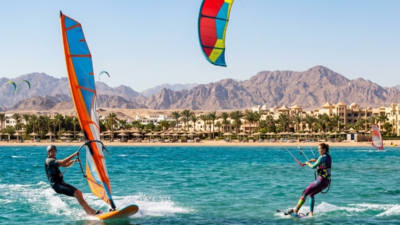
The best time for windsurfing in Hurghada runs from March through November, with the absolute prime season spanning September to November when consistent 5–7 knot winds combine with warm air temperatures and water that feels like a bath. If you chase stronger gusts and don’t mind cooler evenings, December through February delivers powerful winds that will challenge even experienced riders.
Let me tell you something I’ve learned over two decades in the water: Hurghada is not just another Red Sea resort. It’s a windsurfing machine. The unique geography of the Egyptian coastline funnels desert winds across the water with remarkable consistency. I’ve ridden here in every month, and the patterns are as reliable as the sunrise.
Why Hurghada Stands Out for Windsurfing
The Red Sea coastline offers something rare in the world of windsurfing. The combination of steady thermal winds, warm water year-round, and minimal current creates conditions that work for beginners and professionals alike. Unlike spots that require a three-day wait for wind, Hurghada delivers on most days.
What makes this place truly special is the desert wind system. The Sahara heats up during the day, creating low pressure that pulls cooler air from the sea. This cycle repeats with remarkable predictability. You can plan your sessions around it.
The Wind Factor: What to Expect
The wind in Hurghada typically blows from the north and northwest. This direction creates consistent side-shore conditions along most beaches, which means safer launches and cleaner rides . The average wind speed ranges from 12 to 20 knots during peak months, with stronger gusts pushing 25 knots in winter .
Wind statistics show that windy days dominate the calendar. During winter months, wind blows on 70–80% of days. Summer sees slightly less frequency but still delivers strong afternoon thermals .
Month-by-Month Breakdown of Windsurfing Conditions
Let me walk you through each month based on real on-water experience. This comes from fifteen years of living and riding here, plus reliable data from local centers .
Winter Winds: December to February
December brings strong wind on about 70% of days, with speeds ranging from 5–7 knots. The air temperature sits at 20–25°C during daylight, but evenings cool significantly. Water temperature drops to 22–24°C. You will want a 3mm long-sleeve wetsuit for comfort during longer sessions .
January delivers the strongest winds of the year. Expect wind on 70% of days, with similar speeds to December. The air feels cooler at 20–23°C. Nights can dip to 10–15°C, so plan your sessions for midday when the sun provides warmth. A 3mm wetsuit remains essential .
February offers wind on an impressive 80% of days. This month often produces the most consistent strong wind of the year. Air temperatures start climbing slightly to 22–24°C. Water remains cool at 22–23°C. Keep the wetsuit on .
Spring Build-Up: March to May
March transitions from winter patterns. Wind blows on 65% of days, with speeds around 4–6 knots. Air temperatures reach 25–28°C. Water starts warming to 23–25°C. You can switch to a 2mm shorty wetsuit or ride in board shorts during midday sessions .
April marks the beginning of prime season. Wind appears on 70% of days at 5–6 knots. Air temperatures hit 28–32°C. Water reaches comfortable 24–26°C. Wetsuit becomes optional. Many riders wear only board shorts and a rash guard .
May delivers consistent wind on 65% of days. Speeds range from 4–6 knots. Air temperatures climb to 30–35°C. Water reaches 26–28°C. No wetsuit needed. The afternoon thermal winds start becoming more pronounced .
Summer Stability: June to August
June sees wind on 50% of days, with speeds of 3–5 knots. Air temperatures soar to 35–40°C. Water reaches a balmy 28–29°C. Early morning sessions work best before the heat peaks. The wind often picks up in the afternoon as thermal activity increases .
July mirrors June with 50% windy days and 3–5 knot speeds. Air temperatures regularly exceed 40°C. Water feels like a warm bath at 29–30°C. Plan sessions around sunrise and sunset. Midday heat can be extreme .
August brings a slight increase in wind frequency to 65% of days. Speeds range from 4–6 knots. Air temperatures remain in the high 30s to low 40s. Water stays warm at 28–29°C. Late afternoon sessions offer the best combination of wind and tolerable temperatures .
Prime Season: September to November
September delivers wind on 70% of days with speeds of 5–6 knots. Air temperatures moderate to 32–35°C. Water remains warm at 27–28°C. No wetsuit needed. This month kicks off the best windsurfing window of the year .
October represents the sweet spot. Wind blows on 80% of days at 5–7 knots. Air temperatures sit perfectly at 28–32°C. Water stays at 26–27°C. The combination of reliable wind, comfortable temperatures, and fewer crowds makes this the ideal month .
November maintains strong conditions with wind on 65% of days at 4–6 knots. Air temperatures range from 25–28°C. Water cools to 24–26°C. A 2mm shorty wetsuit provides comfort for longer sessions, especially later in the month .
Monthly Windsurfing Conditions Summary
| Month | Windy Days (%) | Wind Speed (knots) | Air Temp (°C) | Water Temp (°C) | Wetsuit |
|---|---|---|---|---|---|
| January | 70% | 5-7 | 20-23 | 22-23 | 3mm full |
| February | 80% | 5-7 | 22-24 | 22-23 | 3mm full |
| March | 65% | 4-6 | 25-28 | 23-25 | 2mm shorty |
| April | 70% | 5-6 | 28-32 | 24-26 | Optional |
| May | 65% | 4-6 | 30-35 | 26-28 | None |
| June | 50% | 3-5 | 35-40 | 28-29 | None |
| July | 50% | 3-5 | 38-42 | 29-30 | None |
| August | 65% | 4-6 | 37-41 | 28-29 | None |
| September | 70% | 5-6 | 32-35 | 27-28 | None |
| October | 80% | 5-7 | 28-32 | 26-27 | None |
| November | 65% | 4-6 | 25-28 | 24-26 | 2mm shorty |
| December | 70% | 5-7 | 20-25 | 22-24 | 3mm full |
*Data compiled from local windsurfing operators and historical weather records *
Best Spots for Windsurfing in Hurghada
El Gouna: The Premier Location
El Gouna sits just north of Hurghada and offers the most developed windsurfing infrastructure in the region. The man-made lagoons create flat-water conditions perfect for beginners and freestyle riders. The open sea areas provide chop and small waves for more advanced sailors .
The wind here blows consistently from April through October at 15–25 knots. Multiple schools operate in the area, offering JP and Pryde equipment rentals. The lagoon system means you can find sheltered spots regardless of wind direction .
Hurghada Central: Convenient and Accessible
The main Hurghada coastline offers numerous launch points along the hotel strip. The wind usually blows side-shore, creating safe conditions for launching and landing. Water depth varies from shallow sandy entries to deeper areas near the reefs .
Several windsurfing centers operate from hotels and dedicated beach clubs. Harry Nass maintains a location here with quality equipment and instruction. The proximity to restaurants and accommodation makes this a convenient choice .
Soma Bay: Wind and Waves
Soma Bay sits about 45 kilometers south of Hurghada. This location catches stronger wind due to its exposed position. The bay shape creates consistent conditions suitable for intermediate to advanced riders. The wind peaks from May through September with 20+ knots common .
Makadi Bay and Sahl Hasheesh
These resort areas offer quieter alternatives to central Hurghada. The wind patterns mirror Hurghada but with fewer crowds. The sandy beaches and gradual depth make them excellent for learning and progression .
What Gear to Bring or Rent
Wetsuit Requirements
The Russian windsurfing community has documented this perfectly. I follow their guidance after years of testing :
- Summer (May–October): No wetsuit needed. Board shorts and a rash guard work perfectly.
- Shoulder Season (March–April, November): A 2mm shorty provides comfort for longer sessions.
- Winter (December–February): A 3mm full suit with long sleeves keeps you comfortable.
Board and Sail Selection
Local centers carry gear for all levels. Beginners can start with large volume boards in the 140–160 liter range. Intermediate riders typically use 110–130 liter boards with 5.0–6.5 meter sails. Advanced riders bring their own gear or rent performance boards in the 80–100 liter range .
Essential Accessories
Pack these items regardless of season:
- Rash guard with UV protection
- Polarized sunglasses with a retainer strap
- Reef-safe sunscreen
- Windbreaker for windy days
- Booties for rocky entries
Wind Patterns: Thermal vs. System Winds
Thermal Winds (March–October)
The desert heat creates reliable thermal winds. These build through the morning, peak in the afternoon, and fade by sunset. You can count on afternoon sessions during these months. The consistency allows for predictable planning .
System Winds (November–February)
Winter brings larger weather systems that generate stronger but less predictable wind. These can blow for multiple days consecutively. The wind often arrives from the north with higher speeds. Morning sessions can be excellent during these periods .
When to Visit for Your Skill Level
Beginners
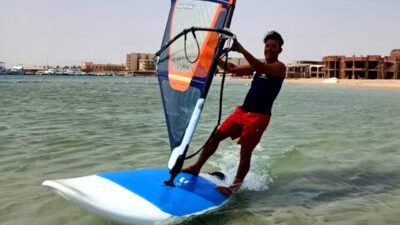
Visit between April and October. The warmer water means no wetsuit required. The consistent afternoon thermals provide predictable conditions for learning. El Gouna’s flat lagoons offer the safest environment for first-time riders .
Intermediate Riders
March through November works well for progressing riders. Spring and autumn offer the best combination of reliable wind and comfortable temperatures. The variety of spots allows you to choose conditions that match your comfort level .
Advanced and Professional
December through February delivers the strongest wind. Experienced riders will find challenging conditions that test their skills. The winter months also mean fewer crowds on the water .
Families and Mixed Groups
September through October provides the best balance. Warm water, reliable wind, and pleasant temperatures for non-windsurfing activities. The kids can snorkel or swim while you ride .
Beyond Windsurfing: When the Wind Drops
Hurghada offers plenty of backup activities. The region is famous for diving and snorkeling. Visibility often reaches 20–30 meters. The coral reefs rank among the healthiest in the Red Sea .
Consider these alternatives:
- Scuba diving at Giftun Islands
- Desert quad biking safaris
- Boat trips to Orange Bay
- Snorkeling with dolphins
- Marina dining and shopping
Local Expertise and Schools
Several established centers operate in the area. Harry Nass brings over 25 years of experience with locations in both Hurghada and Dahab. They offer JP and Pryde gear with trained instructors .
El Gouna hosts multiple IKO-affiliated schools. These provide structured lessons for windsurfing and kitesurfing. Many hotels partner with these centers, offering package deals for guests .
Practical Tips for Your Windsurfing Trip
Booking and Planning
Book accommodation with windsurfing facilities. Many hotels store gear and provide direct beach access. Consider staying in El Gouna for the most developed infrastructure .
Timing Your Sessions
Check wind forecasts daily. Windfinder and Windy.app provide reliable predictions. Morning sessions often offer glassy water. Afternoons bring building wind .
Safety Considerations
- Always check wind direction before launching
- Stay within sight of shore
- Carry a whistle or communication device
- Respect reef areas and marine life
- Use reef-safe sunscreen
Windsurfing Hurghada Season Conclusions
Hurghada delivers world-class windsurfing conditions for most of the year. The October window represents the absolute peak with 80% windy days, perfect temperatures, and comfortable water. Winter riders will find stronger wind but cooler conditions requiring a wetsuit. Summer offers reliable afternoon thermals despite the extreme heat.
The variety of spots from El Gouna to Soma Bay means you can find conditions suited to your level. The local infrastructure provides quality gear and instruction. Combine this with the incredible diving, warm hospitality, and affordable prices, and you have one of the world’s most reliable windsurfing destinations.
Book your trip based on your priority. Chase maximum wind in winter. Seek the perfect balance in autumn. Enjoy afternoon sessions and warm water in summer. Whatever you choose, the Red Sea winds will be waiting.
Hurghada Windsurfing Season Frequently Asked Questions
October offers the best combination with 80% windy days, air temperatures of 28–32°C, and water at 26–27°C. The conditions suit all skill levels without requiring a wetsuit .
Between May and October, you do not need a wetsuit. March, April, and November may require a 2mm shorty. December through February requires a 3mm full suit for comfort .
Yes. El Gouna offers flat-water lagoons with consistent wind. Several schools provide instruction with quality gear. The warm water and reliable conditions create an ideal learning environment .
Wind speeds average 12–20 knots during peak season. Winter months can produce stronger gusts up to 25 knots. Summer thermals typically deliver 15–18 knot afternoon breezes .
Yes. Multiple centers operate in El Gouna and Hurghada. Harry Nass and other schools offer JP and Pryde gear for all levels. Rentals are available by the hour or day .
What is the water temperature for windsurfing?
Water temperatures range from 22°C in winter to 30°C in summer. The warmest months are July through September. Winter water still feels comfortable with a wetsuit .
Is Hurghada windy year-round?
Hurghada experiences wind on 50–80% of days depending on the season. February and October see the highest frequency at 80%. June and July have slightly fewer windy days but still deliver consistent afternoon thermals .
What other water sports are available?
Scuba diving, snorkeling, kitesurfing, jet skiing, parasailing, and boat trips are widely available. The region offers some of the best diving in the Red Sea .
Hurghada Windsurfing Season Practical Checklist for Your Hurghada Windsurfing Trip
Three Months Before
- Book flights to Hurghada International Airport (HRG)
- Reserve accommodation in El Gouna or central Hurghada
- Check visa requirements for your nationality
One Month Before
- Arrange travel insurance covering water sports
- Book windsurfing lessons if needed
- Order reef-safe sunscreen
One Week Before
- Check 10-day wind forecast
- Pack appropriate wetsuit for the season
- Bring rash guards and UV protection
- Pack polarized sunglasses with retainer
Upon Arrival
- Visit windsurfing center to reserve gear
- Check local wind patterns with instructors
- Identify launch and landing spots
Daily Routine
- Check morning wind forecast
- Plan sessions around thermal patterns
- Stay hydrated in desert heat
- Apply sunscreen 30 minutes before riding