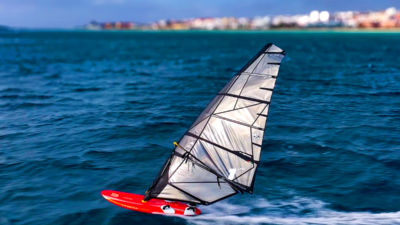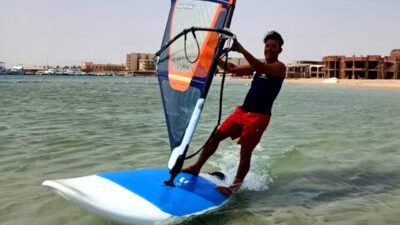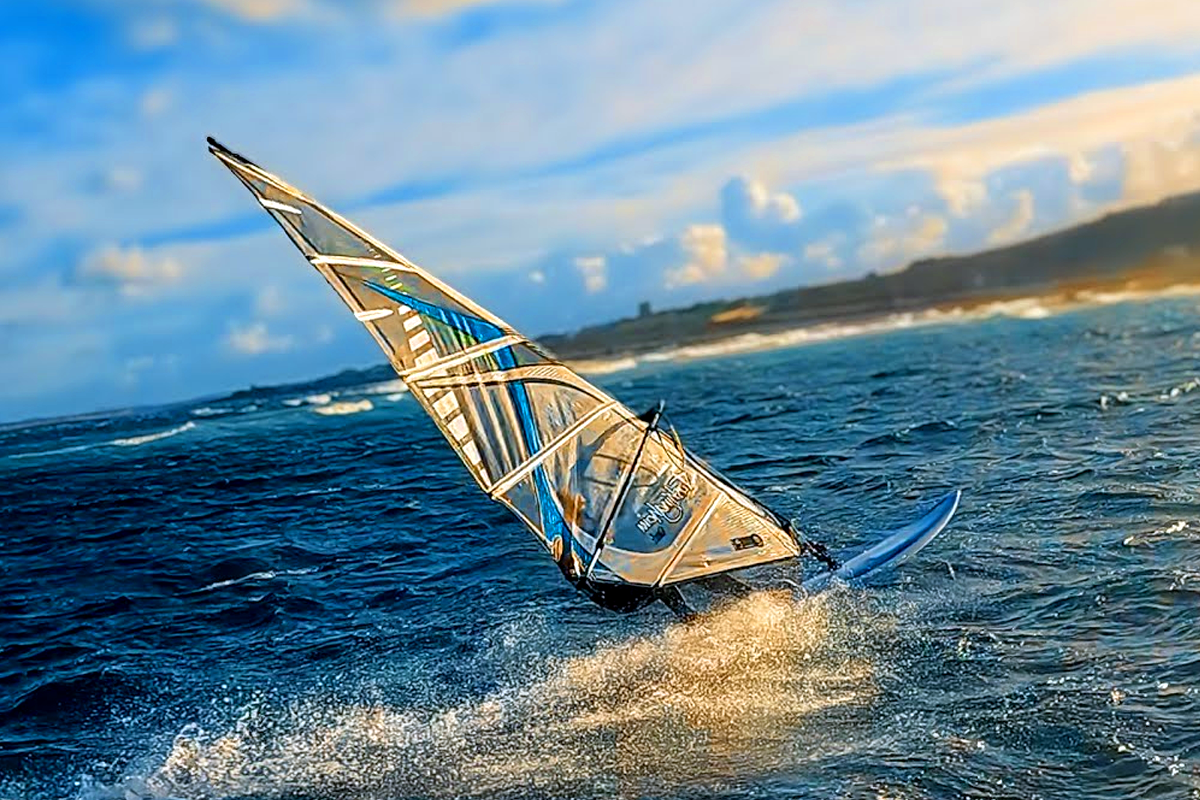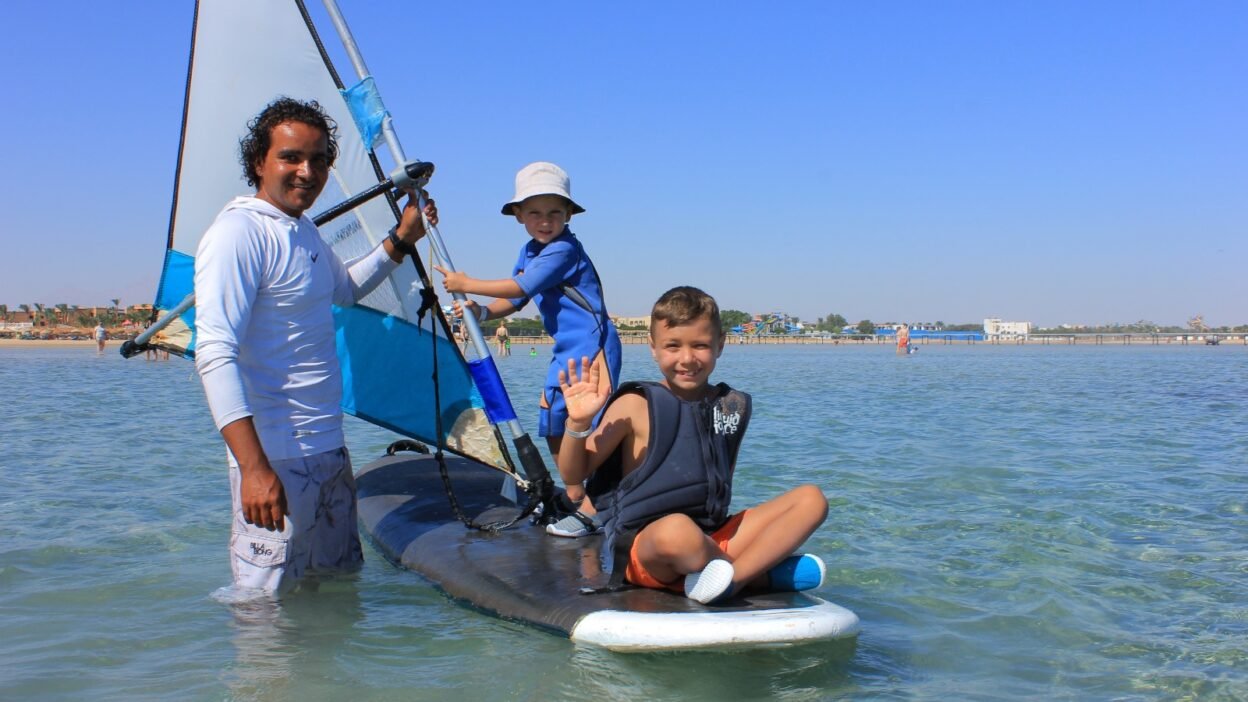
Why Choose Hurghada for Windsurfing?
Hurghada has earned its reputation as a premier water sports destination. It offers over 300 days of sunshine annually, with a reliable wind pattern that transforms the Red Sea into a natural playground for gliding sports .
Unbeatable Wind Reliability
The wind in Hurghada is remarkably consistent. It primarily blows from a northerly direction, providing cross-shore conditions. This is the safest and most desirable wind direction, as it blows parallel to the shore, preventing you from being blown out to sea or crashing onto the beach. The premium windy season runs from March until November, boasting a significant number of days with 4 Bft or more . Even during the winter months, more than 50% of days offer rideable wind, ensuring year-round potential
Year-Round Warm Waters
The Red Sea’s water temperature ranges from approximately 22°C to 29°C throughout the year[reference:3]. This allows for comfortable sailing with a shorty wetsuit or even a lycra in the summer, while a full long-sleeve suit is recommended for the cooler winter months.
Varied Conditions for All Levels
Unlike some destinations that cater only to experts, Hurghada offers a mix of open-water chop, flat lagoons, and offshore winds. This diversity means you can find the Best Windsurfing Hurghada has to offer, whether you are looking for gentle learning conditions or challenging high-wind terrain.
Wind and Water: The Perfect Conditions
Understanding the local climate is key to planning your trip. The wind speed typically averages between 12 to 25 knots.
- Seasonal Breakdown:
- Spring (March-May): Excellent. The wind picks up steadily, and the air temperature is pleasant without the intense summer heat.
- Summer (June-August): High season for wind. The thermal effect creates strong, consistent winds, often exceeding 20 knots. This is ideal for experienced riders.
- Autumn (September-November): Considered by many as the perfect window. The wind remains strong, but the air cools slightly, and the crowds thin out.
- Winter (December-February): Milder winds (12-15 knots) and cooler air, but still offering more than 50% windy days. Perfect for beginners and progression without overpowering gusts.
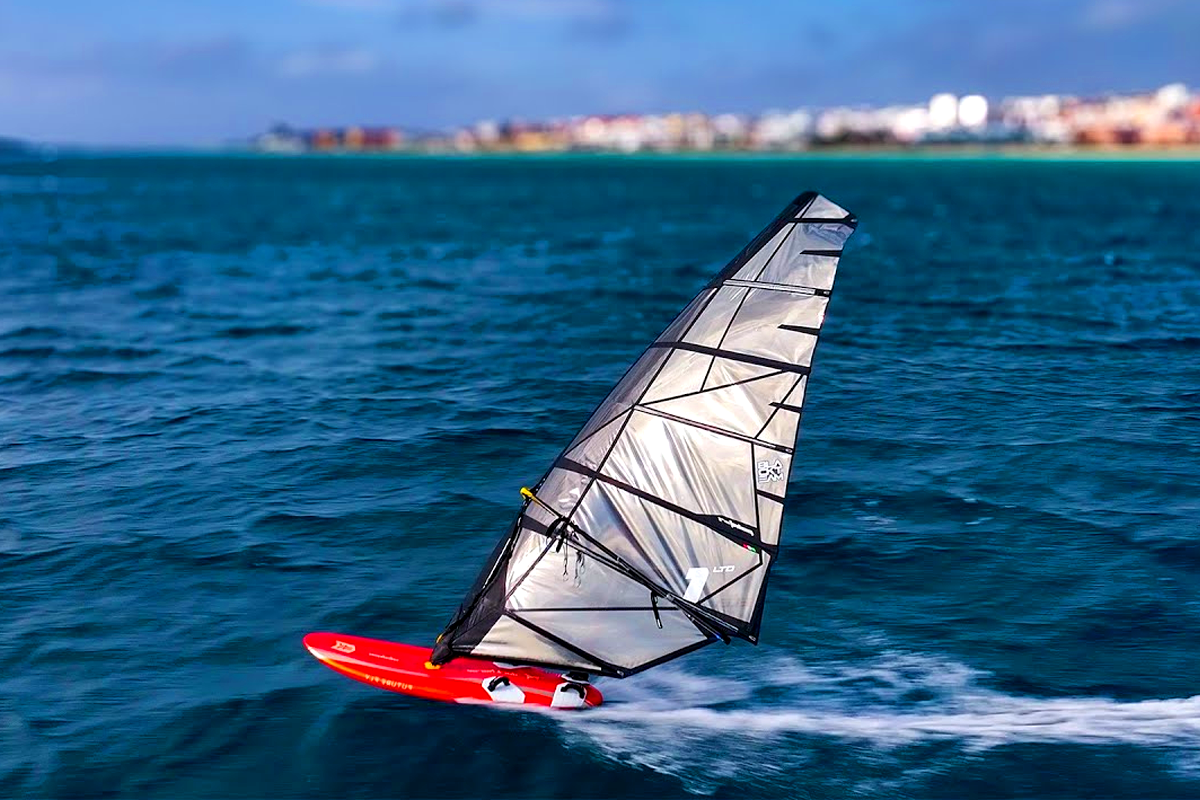
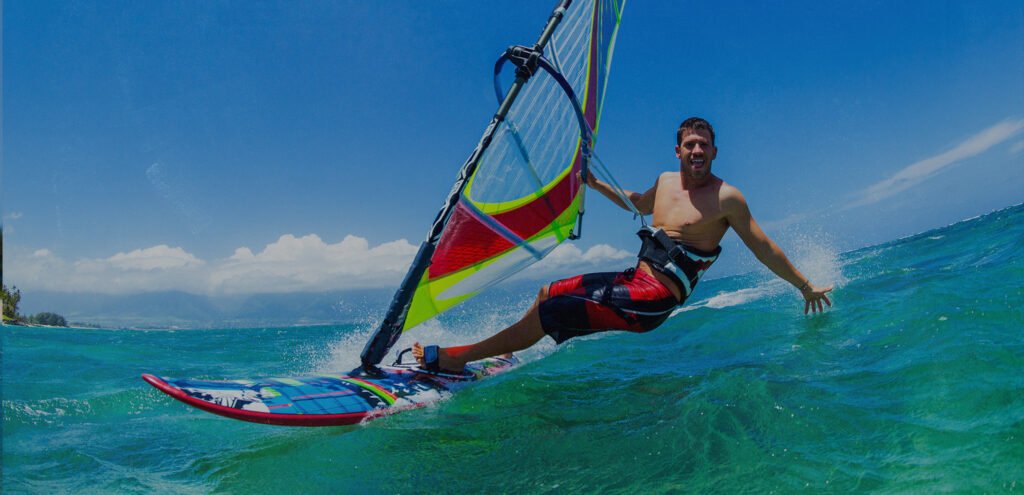
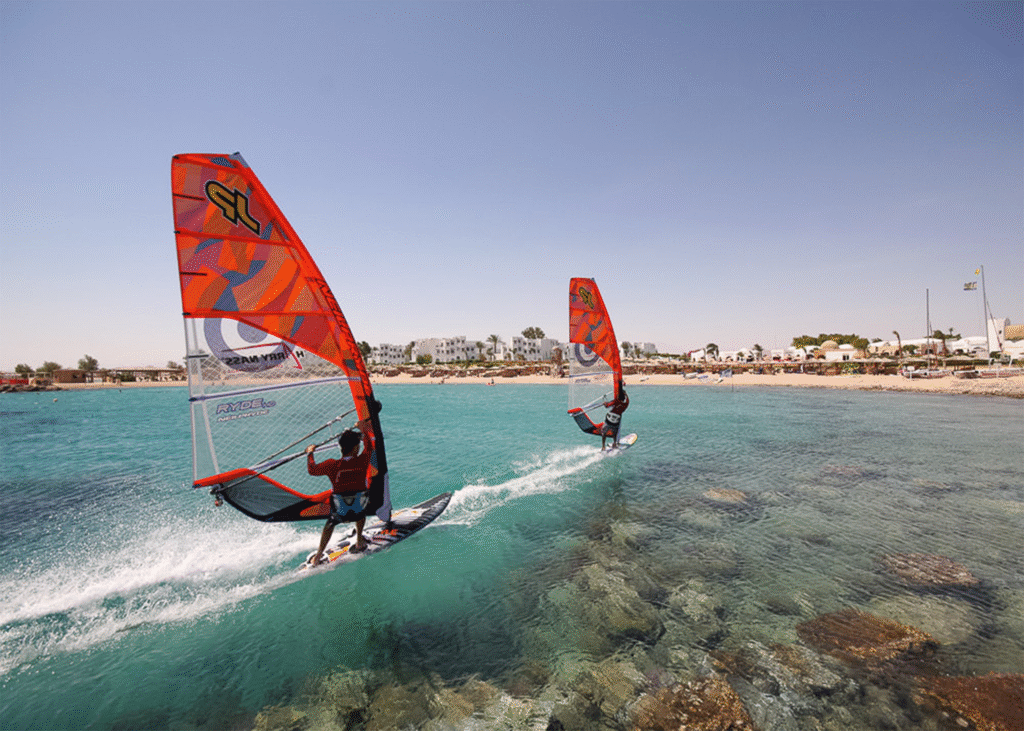
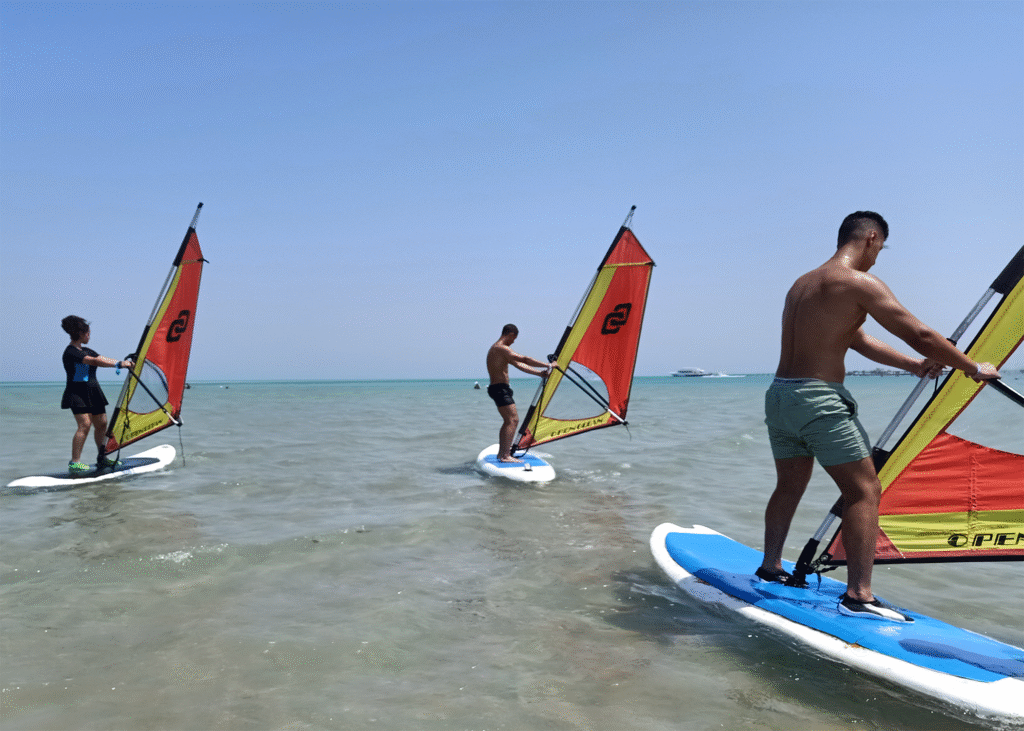
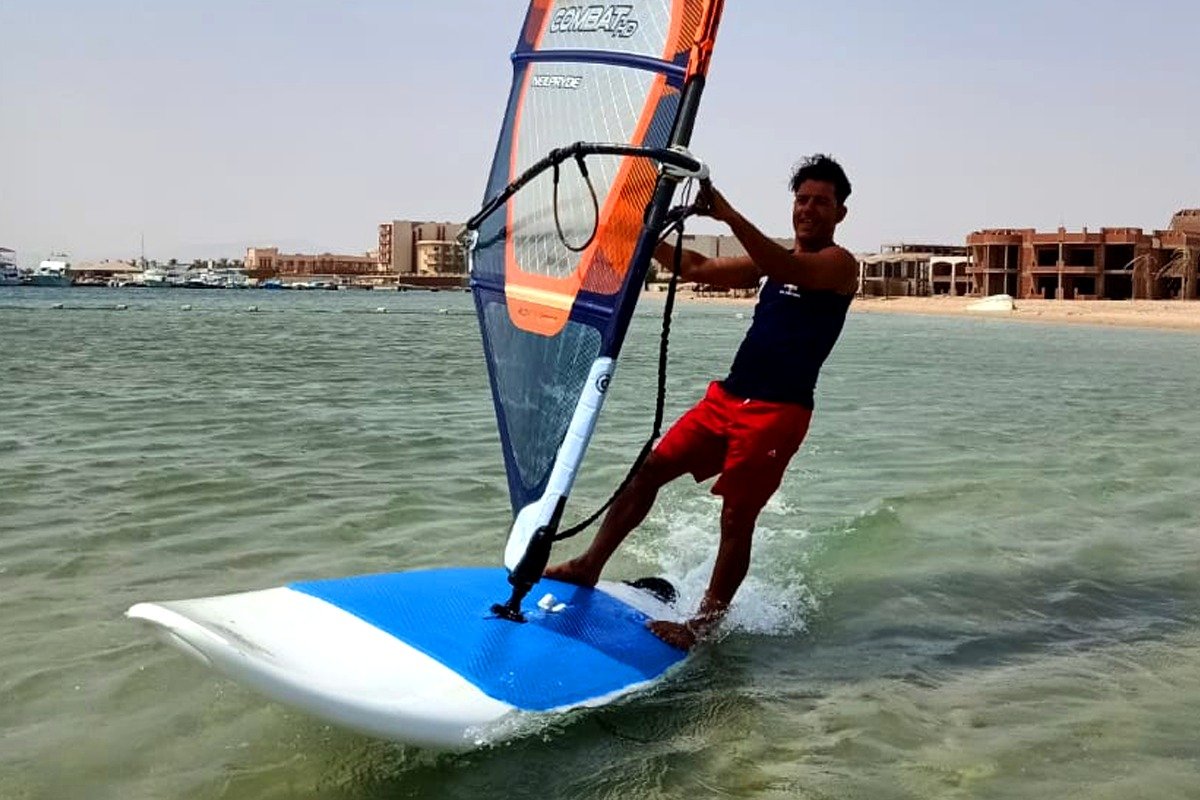
Top Windsurfing Spots in and around Hurghada
Choosing the right spot is crucial for your experience. While the central Hurghada coast offers excellent chop-hop conditions, exploring nearby areas can transform your trip.
El Gouna: The Lagoon Heaven
Located about 25 km north of Hurghada, El Gouna is a man-made “Venice” of lagoons. This is the undisputed capital for flat-water sailing. The lagoons are waist-deep and span several square kilometers, providing a safe and massive training area. It is particularly popular for beginners and freestylers due to the absence of waves and currents. Schools here offer lessons directly from the beach in crystal-clear, warm water[reference:6].
Soma Bay: The Wind Accelerator
Situated roughly 45 km south of Hurghada, Soma Bay is a peninsula that funnels the wind. The proximity of desert mountains accelerates the wind, offering strong and consistent gusts (often 15-30 knots). The bay provides fantastic flat water inside the reef-protected areas, with a wide, shallow standing area that extends up to 600 meters offshore. This is widely considered a hotspot for advanced riders and those looking to maximize their time on the water.
Safaga: The Wind Corridor
If you crave raw power and fewer crowds, travel 60 km south to Safaga. The open coastline here channels the wind, often delivering stronger gusts than Hurghada proper, particularly in summer. It offers a mix of shallow lagoons for learning and open water for freeride and freestyle pros[reference:9].
Magawish & Mercure (Central Hurghada)
For those staying in the heart of Hurghada, the beaches near hotels like Magawish and Mercure offer excellent “chop hop” conditions. The wind blows over a sandbank, creating small, choppy waves that are fun for intermediate riders looking to improve their wave handling.
Windsurfing vs. Kitesurfing in Hurghada
While both are popular, they suit different preferences. Hurghada offers a unique dynamic where both sports coexist.
- Windsurfing: Accessible almost anywhere along the coast. It requires balance and upper body strength initially but offers immense control and feedback through the sail. It is excellent in both flat water (El Gouna) and choppy conditions (Magawish)[reference:18].
- Kitesurfing: Often restricted to designated lagoon areas (like El Gouna or the Sea Horse Bay) to ensure safety and separation from swimmers. It relies on a kite for power and is generally preferred by those looking for aerial tricks and freestyle[reference:19].
Practical Safety and Equipment Checklist
Safety is paramount. Follow this checklist before hitting the water.
- Always Wear a PFD: A life jacket is non-negotiable, regardless of your swimming ability.
- Wear a Leash: Attach your board to your ankle. It prevents long swims and stops your board from becoming a hazard to others.
- Use a Radio: Top centers like Harry Nass provide two-way radios. Use them if available for immediate contact with rescue boats.
- Protect Your Skin: Wear a rash guard or wetsuit. The Red Sea sun is intense, even on windy days. Drink plenty of water to avoid dehydration.
- Check Your Gear: Inspect your harness lines, mast base, and universal joint before launching. Most rental centers maintain high standards, but a quick check saves time.
Best Windsurfing Hurghada Conclusion
Hurghada is not just a holiday resort; it is a windsurfing powerhouse. With consistent thermal winds, warm water, a variety of spots from flat lagoons to open chop, and world-class schools like Masters Surf School, it stands as the definitive destination for the Best Windsurfing Hurghada experience. Whether you are a beginner taking your first lesson or an expert looking to push your limits, the Red Sea is waiting for you.
Hurghada Best Windsurfing FAQs
The best windsurfing season is from March to November, offering consistent winds of 15-25 knots. For lighter winds, the winter months (December to February) are also suitable with over 50% windy days.
Absolutely. Areas like El Gouna offer waist-deep, flat lagoons with no currents, making it ideal for beginners. Many schools, including Masters Surf School, offer structured beginner courses
No. Hurghada has numerous rental centers (Harry Nass, Tommy Friedl, High Surf) offering the latest gear from brands like JP and Severne. You can rent everything you need on-site
The average wind speed ranges from 12 to 25 knots. Summer months see stronger, more consistent thermal winds often exceeding 20 knots
Yes. While the Red Sea is rich in marine life, most windsurfing takes place in shallow lagoons or over sandbanks where encounters are rare. Avoid sailing near coral heads or deep channels.
The water temperature ranges from 22°C in winter to 29°C in summer, allowing for comfortable sailing with a shorty or long-sleeve wetsuit depending on the season
Hurghada offers chop-hop and flat water conditions ideal for freeride. Dahab features a flat-water lagoon (Blue Lagoon) and open ocean waves. Both are excellent but cater to slightly different preferences
Yes. Due to the high volume of international tourists, most professional schools employ multi-lingual staff who speak English, Russian, German, and Italian
Windsurfing Hurghada: Practical Preparation Checklist
| Step | Action Item | Details |
|---|---|---|
| 1 | Pick Your Season | March-November for strong wind; Winter for lighter wind. |
| 2 | Choose Your Spot | El Gouna (flat water) vs. Soma Bay (strong wind) vs. Magawish (chop). |
| 3 | Book a School | Reserve with Masters Surf School, Harry Nass, or ProCenter Tommy Friedl. |
| 4 | Gear Up | Rent equipment on-site. Bring a rash guard, sunscreen, and sunglasses. |
| 5 | Safety Brief | Always wear a PFD, use a leash, and stay within the designated sailing zone. |