The Best Time for Hurghada Windsurfing: A Month-by-Month Guide to Perfect Conditions
Executive Summary: The best time for windsurfing in Hurghada spans two distinct seasons. For the strongest and most reliable winds, plan your trip between December and February, when consistent northwesterly winds create ideal planing conditions, though air temperatures are cooler. For a balance of warm weather, comfortable water temperatures, and still-solid wind, the spring months (March–May) and autumn (September–November) offer the most pleasant overall experience. Summer brings light winds and extreme heat, making it the least favorable for windsurfing hurghada enthusiasts.
Why Hurghada Is a Windsurfing Destination
When you imagine the perfect windsurfing spot, what comes to mind? Endless turquoise water, reliable thermal winds, and a coastline that stretches for kilometers without interruption. That is precisely what Hurghada offers. Situated on the Red Sea coast of Egypt, this resort town has earned its reputation among European and Russian windsurfers for good reason.
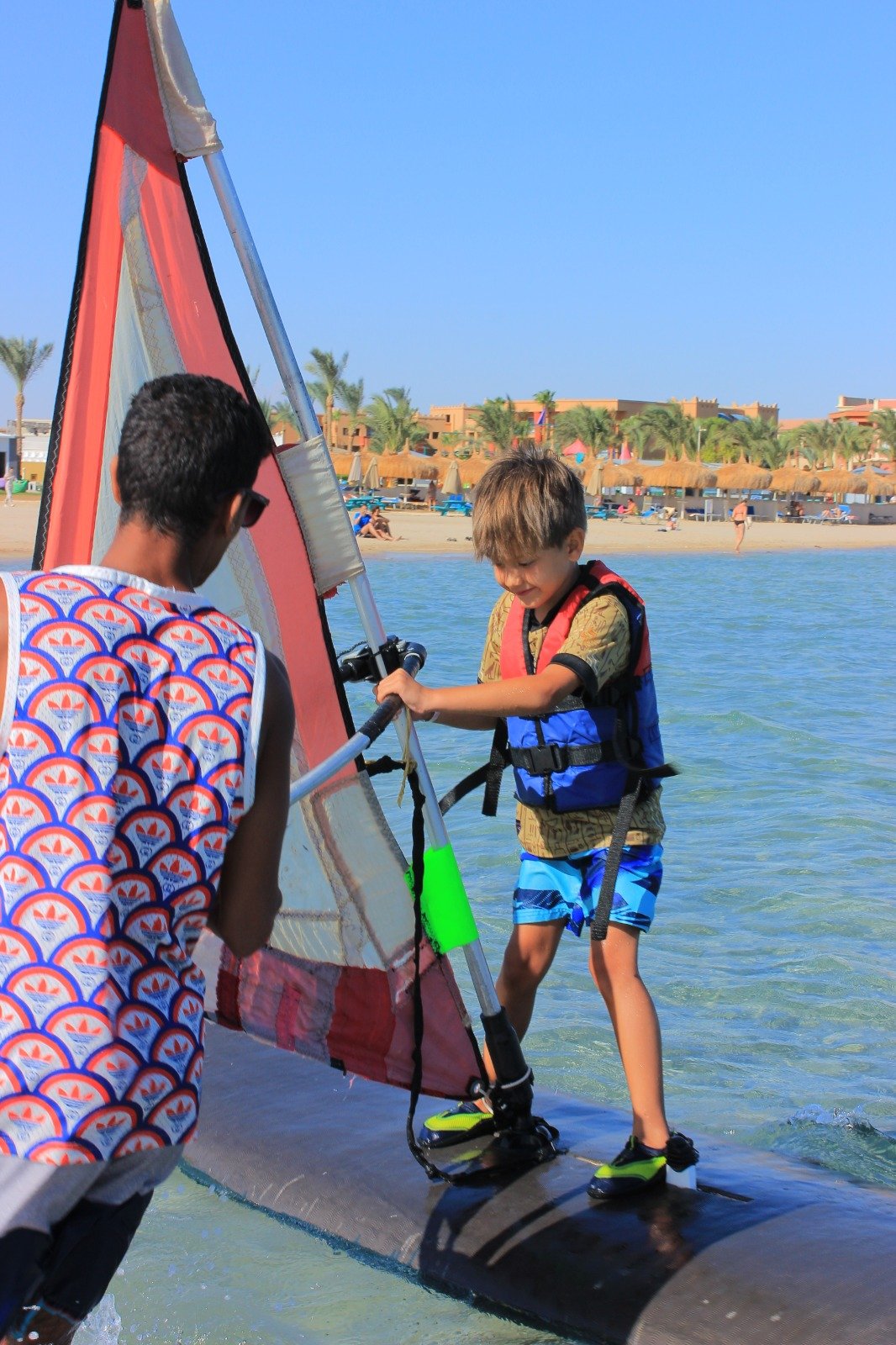
The geography of Hurghada creates natural wind corridors. The desert heat meets the cooler sea air, generating predictable wind patterns that blow cross-shore or side-onshore for most of the year . Unlike many Mediterranean destinations where wind is seasonal and unreliable, Hurghada delivers consistent conditions across multiple months. Harry Nass, a windsurfing center operating in the area for over 25 years, reports that Hurghada experiences windy days for more than half the year, with the premium windy season running from March through November .
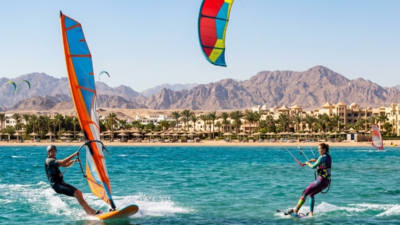
What makes windsurfing hurghada truly special is the diversity of conditions. You will find chop-hop sailing perfect for freeride and freestyle, expansive sandy shallows ideal for beginners, and enough open water for those seeking speed runs. The water stays warm enough for shorty wetsuits or even boardshorts during peak months, and the visibility rivals some of the world’s best diving destinations.
The Windsurfing Calendar: Month-by-Month Breakdown
Understanding when to book your trip requires looking beyond simple seasonal labels. Let me walk you through each month so you can match your skill level and preferences to the right conditions.
December–February: The Power Season
If your priority is maximum wind strength and consistent sessions, winter delivers. During these months, the Red Sea experiences stronger pressure gradients that generate sustained northwesterly winds. Daytime air temperatures hover between 20–25°C, which feels pleasant when you are active on the water . The water temperature drops to around 22–24°C, so a 3mm full wetsuit or a good-quality shorty with a rash guard becomes necessary for comfort .
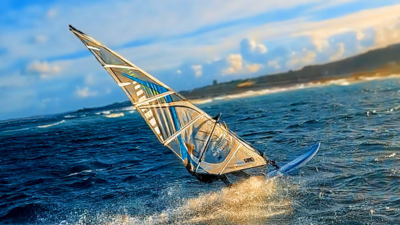
January and February are the windiest months of the year . You can expect 4–5 Beaufort conditions on many days, with winds often exceeding 20 knots. This is prime time for experienced windsurfers who want to push their limits. The chop becomes more pronounced, and you will find excellent conditions for freestyle moves, wave riding, and high-speed blasting.
Russian windsurfers particularly favor this period, as it coincides with colder weather in Europe and Russia. The Russian travel resource Finetravels confirms that winter in Hurghada is “ideal for windsurfing and kiting due to the strong winds” .
However, a few considerations matter. Nights get cold—temperatures can drop to 10–15°C, so pack warm clothing for evenings . The wind can occasionally be too strong for beginners, and some days may be blown out entirely. If you are learning or prefer lighter conditions, this may not be your ideal window.
Who this is for: Intermediate to advanced windsurfers, those chasing speed and freestyle conditions, winter escape travelers.
March–May: The Spring Sweet Spot
Spring brings a gradual shift toward warmer temperatures and still-reliable wind. March remains transitional—you will still experience winter winds, but the days start warming up. By April, conditions become near-perfect for most windsurfers .
Air temperatures climb from 25°C in March to 30–35°C by late May . The water warms to 23–25°C, making a shorty wetsuit or even a rash guard sufficient for many sailors. The wind remains consistent, though generally slightly lighter than winter peaks. You can expect 12–20 knot afternoons, with thermal winds building as the day progresses .
What makes spring special is the balance. You get enough wind for planing on freeride gear, comfortable air temperatures that do not require thick neoprene, and water that feels inviting rather than shocking. The crowds have not yet reached summer peak levels, and the desert excursions remain pleasant for days when you want a break from sailing.
April stands out as one of the best months overall for water sports in Hurghada. The wind decreases slightly from winter levels, making conditions more manageable for intermediate sailors while still providing ample power . Russian travelers and European windsurfers alike target this window for the combination of warm weather and solid wind.
Who this is for: All skill levels, especially intermediate sailors looking to progress, those who prefer warmer conditions, travelers combining windsurfing with other activities.
September–November: The Autumn Gold
Autumn rivals spring for overall quality, though with a different character. September and October offer what many consider the “golden period” for Hurghada . The intense summer heat has faded, the water remains warm from months of sun exposure, and the wind begins to pick up again after the summer lull.
Air temperatures range from comfortable 29–31°C in September to milder conditions in November . Water temperatures stay remarkably warm, often exceeding 28°C in September and remaining pleasant through October . This means you can sail in a shorty or even boardshorts without discomfort.
The wind during autumn is more moderate than winter but more reliable than summer. You will find consistent afternoon thermal winds, often in the 12–18 knot range. November can see increased wind as the winter pattern establishes itself, making late autumn a favorite for those who want stronger conditions without winter’s cooler air .
October receives particular praise from seasoned visitors. One experienced traveler describes it as “the golden time of Hurghada,” with weather so perfect it feels “as if they had made the whole city special for me” . The combination of warm water, comfortable air, and solid wind creates ideal conditions for extended sessions.
Who this is for: Sailors who prefer warm water, those who want reliable but not overpowering wind, families where some members may snorkel or dive while others windsurf.
June–August: The Summer Lull
Summer in Hurghada means extreme heat. Air temperatures regularly exceed 35–40°C, and can reach 45°C on the hottest days . The water warms to over 30°C, which feels like swimming in a bathtub—refreshing for swimmers but lacking the cooling effect windsurfers often appreciate.
The wind during summer is generally light. Without the pressure gradients that drive winter winds, and with stable high-pressure systems dominating, you will experience calm mornings and only light thermal breezes in the afternoons . For windsurfers, this means marginal planing conditions at best.
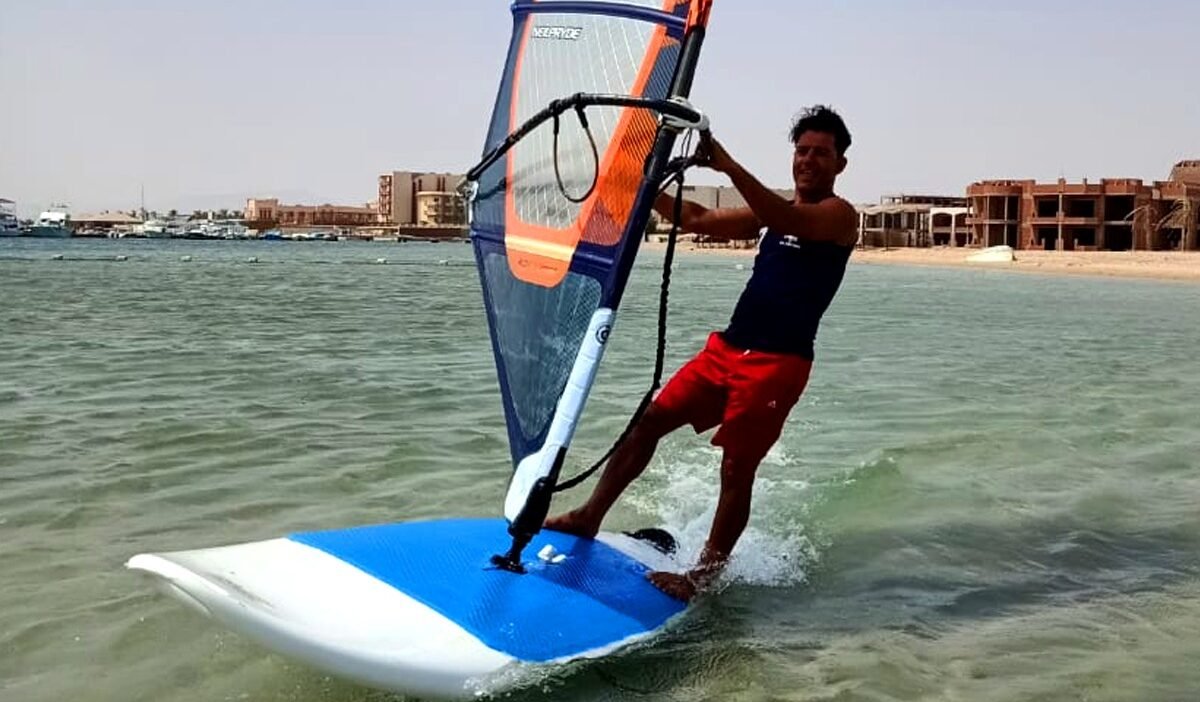
That said, summer has its place. If you are a beginner who wants flat water and light winds for learning, summer mornings can work well. The water is so warm you do not need a wetsuit, and the calm conditions make first attempts at waterstarting or harness use less intimidating. However, for dedicated windsurfing holidays, summer ranks as the least favorable season.
Who this is for: Beginners learning in light conditions, those who prioritize heat over wind, budget travelers (summer offers lower prices).
Conditions by Spot: Where to Sail in Hurghada
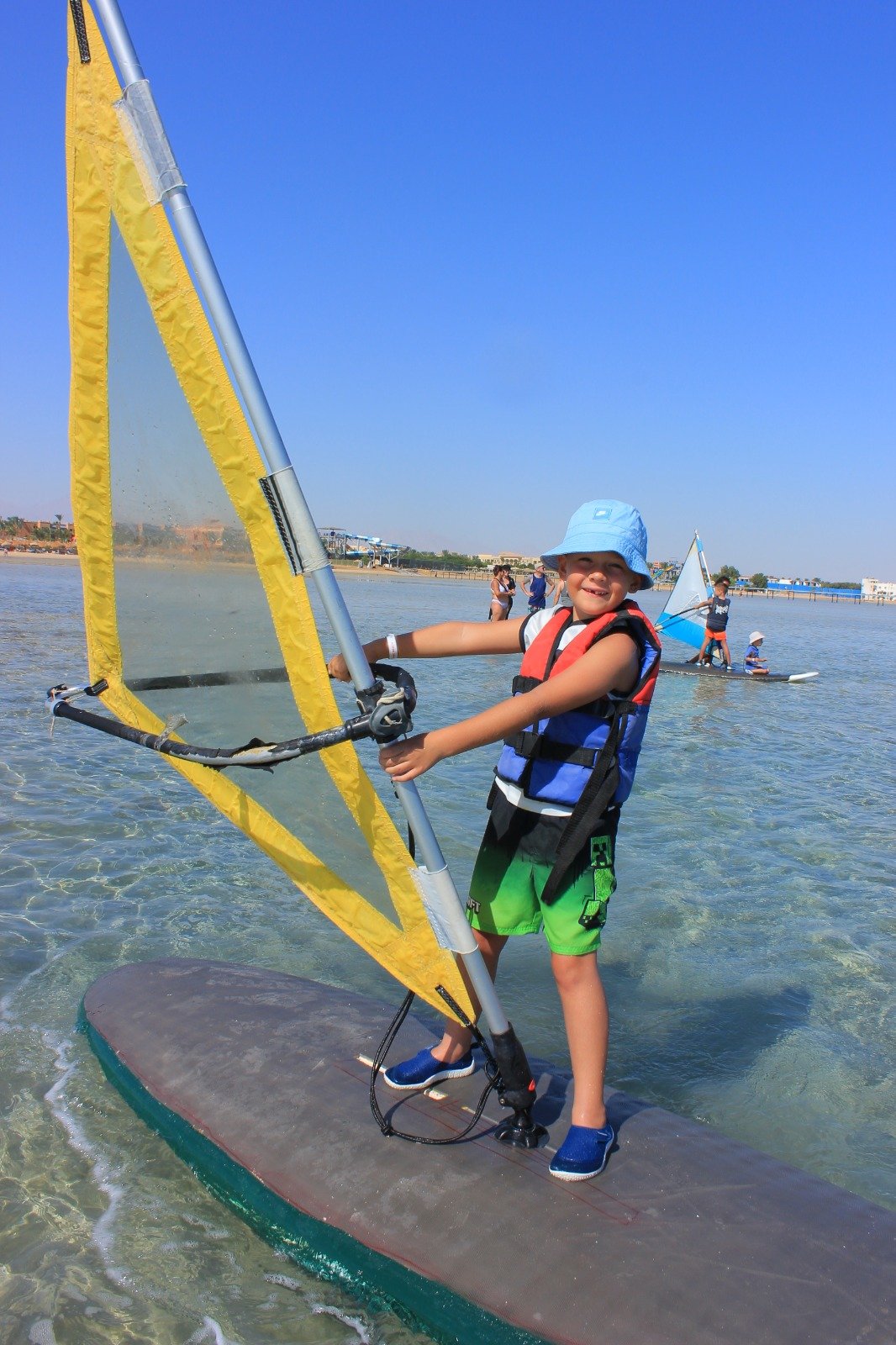
The windsurfing hurghada experience varies significantly depending on where you launch. Understanding the local spots helps you choose the right location for your skill level.
Sahl Hasheesh and Makadi Bay
These resort areas south of Hurghada city offer expansive sandy beaches with consistent cross-shore winds. The water stays relatively flat close to shore, with chop developing further out. These areas work well for freeride and intermediate sailors who want space to practice without crowding.
El Gouna
Located north of Hurghada, El Gouna’s lagoons provide protected flat water for beginners and freestyle enthusiasts . The wind remains reliable but the water surface stays smoother due to the sheltered geography. Many windsurfing schools operate here, making it ideal for lessons and progression.
The Main Hurghada Coast
The central coastline offers the classic chop-hop conditions that Hurghada is known for . With kilometers of sandy shallows and consistent wind, you can find your own patch of water even during busier periods. The Harry Nass center, operating directly from the Mercure Hotel, provides easy access and rental equipment for all levels .
What to Pack: Windsurfing Gear and Clothing
Getting your gear right transforms your windsurfing experience. Here is what you need by season:
Winter (December–February):
- 3mm full wetsuit or 4/3mm for colder days
- Booties for beach entries and early morning sessions
- Light windbreaker for after-sailing warmth
- Warm clothing for evenings
Spring and Autumn (March–May, September–November):
- Shorty wetsuit (2mm) or long-sleeve rash guard
- Board shorts for warmer days
- Booties optional but helpful
- Sun protection: hat, sunglasses with retainer, reef-safe sunscreen
Summer (June–August):
- Rash guard or UV protection shirt
- Board shorts
- Strong sunscreen, reapplied frequently
For equipment, most visitors rent rather than transport their own gear. Hurghada has several well-equipped centers. Harry Nass offers over 100 boards and 120 sails from JP/Neil Pryde and Tabou . You can expect modern freeride and freestyle boards suitable for local conditions.
Practical Planning: When to Book and What to Expect
Peak vs. Shoulder Seasons
The peak tourist season in Hurghada aligns with European holidays—Christmas and New Year, Easter, and summer months. For windsurfers, this creates a paradox: summer has the worst wind but highest crowds and prices for some resorts. Winter and spring offer the best wind but attract holiday crowds during specific weeks.
October and November represent a sweet spot where crowds diminish but conditions remain excellent . April also balances good conditions with manageable crowds, though Easter week can be busy.
Budget Considerations
Winter months (excluding holidays) often offer the best value for windsurfing trips. January and February see lower tourist numbers and more competitive pricing. Summer brings the lowest accommodation rates but the poorest sailing conditions. Spring and autumn command premium prices, particularly in October.
Booking Tips
If you prioritize wind strength above all, target January–February and book accommodations with flexible cancellation. If you want reliable conditions with comfortable temperatures, aim for April or October. For beginners, consider May or September when winds are moderate and water warm.
Step-by-Step Checklist for Planning Your Hurghada Windsurfing Trip
- Define your priority: Are you chasing max wind strength, comfortable temperatures, or a balance of both?
- Choose your window: Winter (Dec–Feb) for power, spring (Mar–May) or autumn (Sep–Nov) for balance, avoid summer for serious sailing.
- Select your spot: El Gouna for flat water and lessons, Sahl Hasheesh or Makadi for freeride, central Hurghada for chop-hop.
- Book accommodations near the water: Consider Mercure Hotel or Rixos Magawish for direct center access .
- Arrange equipment rental: Pre-book if traveling during peak weeks; walk-in is usually fine for shoulder seasons.
- Pack appropriate wetsuits: Bring your own if you prefer specific fits; rental gear is available but limited sizes.
- Plan non-windsurfing days: Desert excursions, diving, or snorkeling work best in spring and autumn.
- Check wind forecasts: Use Windfinder for Hurghada Sultana Beach for detailed predictions .
- Arrange transportation: Airport transfers to resort areas take 20–45 minutes; taxis are readily available.
- Book flexible: Consider travel insurance that covers weather-related changes if wind is your primary reason for travel.
Best Time for Hurghada Windsurfing Conclusion
Hurghada delivers windsurfing conditions that rival any destination in the world, but timing matters. For maximum wind strength, the winter months of December through February offer consistent, powerful conditions that experienced sailors crave. For the most pleasant overall experience—warm water, comfortable air, and reliable but not overpowering wind—spring (March–May) and autumn (September–November) stand out as the ideal windows.
The key insight from two decades of sailing this coast is simple: match your timing to your goals. Beginners benefit from the moderate winds and warm water of spring and autumn. Advanced sailors seeking high-performance conditions should target winter. And if you value warm water above all else, plan for September or October, when the sea remains bathed in summer warmth while the wind returns.
Whatever window you choose, Hurghada’s combination of reliable wind, warm water, and expansive sailing territory makes it a destination worth returning to season after season.
Best Time for Hurghada Windsurfing Frequently Asked Questions
October offers the best combination of warm water (still over 28°C), comfortable air temperatures, and building winter wind patterns. April provides a similar balance but with slightly cooler water and warmer air.
Yes, but choose your days carefully. Winter winds can be overpowering for beginners. Focus on mornings when winds are lighter, or consider spring (March–May) for more moderate conditions.
Not necessary. Hurghada has well-equipped rental centers with modern gear. Harry Nass offers over 100 boards and 120 sails, and other centers provide similar inventory .
No. Summer months (June–August) see significantly lighter winds. The premium windy season runs from March through November, with winter (December–February) offering strong winds but cooler conditions .
Winter water temperatures range from 22–24°C. A 3mm wetsuit is recommended for comfort during longer sessions .
El Gouna offers protected flat water ideal for beginners and freestyle. The central Hurghada coast provides chop-hop conditions suitable for freeride and intermediate sailors .
How far in advance should I book a windsurfing trip to Hurghada?
For peak windsurfing periods (January–February, April, October), book 3–6 months ahead. For shoulder seasons, 1–2 months is usually sufficient.
Are there windsurfing schools in Hurghada?
Yes, several. Harry Nass operates a dedicated center with instruction for all levels, and other schools are located throughout El Gouna and the main resort areas .
What is the wind direction in Hurghada?
Predominantly northwesterly, blowing cross-shore along most of the coastline. This creates safe conditions for both onshore and offshore sailing with proper supervision.
Can I combine windsurfing with other activities?
Absolutely. Diving, snorkeling, desert safaris, and excursions to Luxor or Cairo all work well during spring and autumn. Winter is best for desert activities; summer is challenging for land-based excursions due to heat .