Best Kitesurfing Hurghada: The Complete Guide to Egypt’s Red Sea Kite Paradise
Hurghada ranks among the world’s premier kitesurfing destinations, offering consistent thermal winds, warm shallow lagoons, and professional kite centers that cater to all skill levels. The best kitesurfing Hurghada experience happens between May and October, when north-northwesterly winds deliver 18-25 knots daily with 80% kiteable days. The Al Ahyaa Lagoon area, located north of the city center, provides the optimal conditions: waist-deep flat water extending 200 meters offshore, sandy bottoms ideal for beginners, and deeper sections for advanced freestyle and foil riding. With IKO-certified schools, affordable gear rental (€50-70 daily), and year-round water temperatures between 20-30°C, Hurghada delivers exceptional value for kiteboarders seeking reliable wind and warm water without the premium price tags of European destinations .
Why Hurghada Stands Out for Kitesurfing
The Red Sea coast near Hurghada offers a combination of natural advantages that few global kite spots can match. Understanding these factors helps explain why thousands of kiters return year after year.
The Wind: Consistent, Strong, and Predictable
Hurghada’s wind patterns are driven by thermal dynamics unique to the region. During peak season, the desert heats up during the day, creating a low-pressure system that pulls steady north-northwesterly winds across the Red Sea. This thermal reinforcement means you can practically set your watch by the afternoon breeze .
Peak season (May-October): Expect 18-25 knots virtually daily. Many weeks pass without a single windless day. The wind typically starts light in the morning, builds through late morning, and holds strong until sunset .
Shoulder months (March-April, November): Conditions remain kiteable with 15-22 knots, though slightly less consistent. You’ll encounter more space on the water as crowds thin .
Winter (December-February): Frontal winds replace thermal patterns, delivering 12-18 knots. A 4/3mm wetsuit becomes necessary, but advanced riders still enjoy quality sessions .
The wind direction remains remarkably stable—always from the north or north-northwest. This consistency eliminates the guesswork that plagues many other kite destinations .
Water Conditions: Flat Lagoons for Learning, Deep Water for Progression
The Al Ahyaa Lagoon defines the Hurghada kitesurfing experience. This natural formation stretches along the northern coastline, offering distinct zones for different skill levels .
| Zone | Water Depth | Best For | Key Feature |
|---|---|---|---|
| Near Shore | 0.2-1.0 meters | Beginners, water starts | Sandy bottom, easy standing |
| Mid Lagoon | 1.0-2.0 meters | Freestyle, transitions | Flat water, minimal chop |
| Outer Lagoon | 2.0-5.0 meters | Hydrofoil, advanced tricks | Deep water, open space |
The sandy bottom eliminates concerns about coral cuts or rocky landings. During low tide, you might walk 100-200 meters to reach deeper water—a minor inconvenience that pales against the safety benefits .
Year-Round Warmth: No Wetsuit Required (Most of the Year)
Egypt’s climate delivers reliable sunshine with over 300 sunny days annually. Water temperatures follow a comfortable cycle :
- Summer (June-September): 26-30°C — shorts and rash guard only
- Spring/Autumn (April-May, October): 22-26°C — shorty wetsuit optional
- Winter (November-March): 20-22°C — 3/2mm or 4/3mm recommended
This thermal comfort extends your session duration and simplifies packing. Many travelers arrive with only a carry-on bag containing a harness and summer gear, renting kites locally .
Best Kitesurfing Spots in Hurghada
While the Al Ahyaa Lagoon serves as the primary hub, several distinct locations offer unique riding experiences. Each spot has its own character and ideal rider profile.
Al Ahyaa Lagoon: The Main Hub
Located north of Hurghada city center, this area hosts the majority of kite centers and schools. The lagoon stretches approximately 3 kilometers along the coast, with multiple access points .
Why it works: The configuration creates a natural wind funnel. The lagoon’s shape directs north winds into a slightly cross-onshore orientation, meaning you launch and land in protected conditions while riding in clean wind .
Best for: All skill levels. Beginners appreciate the shallow entry zones; intermediate riders enjoy the flat water for learning jumps; advanced kiters head to deeper sections for unhooked tricks and foiling.
Facilities: Multiple kite centers line the beach, each offering storage, showers, compressors, and cafes. The area feels purpose-built for kitesurfing rather than tourism .
Mangroovy Beach: Beginner-Friendly Lagoon
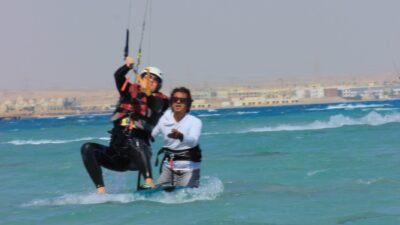
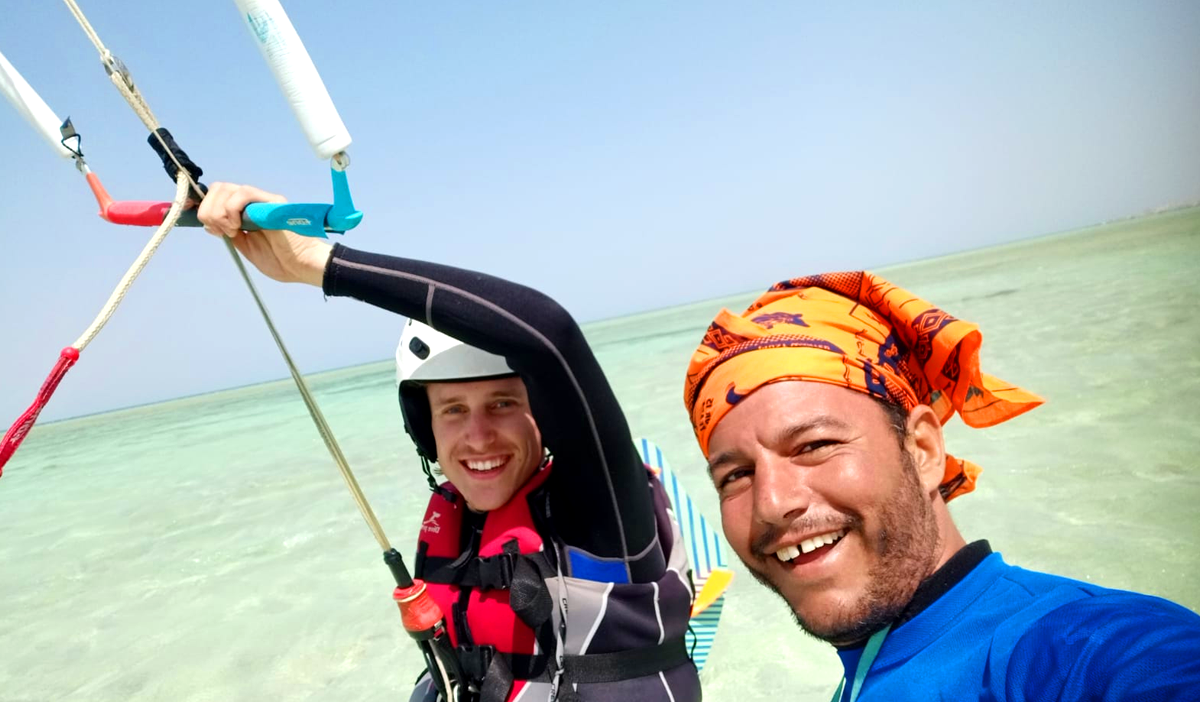
This specific section within the Al Ahyaa area features the shallowest water and most organized launch zones. Safety boats patrol regularly, and instructors maintain constant presence .
Why it works: The gentle gradient means you can walk out 100 meters while water remains waist-deep. This eliminates the fear factor for first-time riders and allows instructors to stand beside students during water starts.
Best for: Complete beginners and refresher sessions. If you’re taking your first kitesurfing lesson in Hurghada, this is where you’ll start.
Magawish Area: Stronger Wind, More Space
South of the main lagoon, Magawish delivers stronger breeze and deeper water. The wind often feels more direct here, with fewer obstacles to interrupt the flow .
Why it works: The absence of surrounding structures means cleaner wind with less turbulence. Advanced riders appreciate this for boosting high and attempting technical maneuvers.
Best for: Intermediate to advanced riders seeking stronger conditions. Downwinders from Magawish back to the main lagoon make for excellent sessions.
El Gouna: Upside Downwind Experience
Located 25 kilometers north of Hurghada, this resort town offers managed beaches, marinas, and a different vibe. El Gouna’s lagoon system provides multiple riding zones with easy logistics—cafés and shops steps from the launch .
Why it works: The infrastructure feels more European, with everything from gear repairs to fine dining within walking distance. Many riders split their trip between Hurghada and El Gouna to experience both atmospheres.
Best for: Riders who value convenience and resort-style amenities alongside kiting.
Soma Bay: Premium Flat Water (Day Trip)
A 45-minute drive south of Hurghada, Soma Bay features one of Egypt’s most famous flat-water lagoons. The water here is glassy and crystal-clear, framed by luxury hotels .
Why it works: The combination of buttery flat water and consistent wind creates ideal conditions for progression. Freestyle riders and foil enthusiasts particularly favor this spot.
Best for: Dedicated progression sessions. Consider spending a day here if you’re working on specific skills or want a change of scenery.
Kitesurfing Schools in Hurghada
Choosing the right school significantly impacts your experience and progression. Hurghada offers options ranging from budget-friendly local schools to premium coaching centers.
IKO Certification: What It Means and Why It Matters
The International Kitesurfing Organization (IKO) sets global standards for instruction. IKO-certified schools follow structured teaching methods, use appropriate equipment for each level, and maintain safety protocols .
When evaluating schools, verify instructor certification status. IKO-certified instructors have completed training programs and carry liability insurance—important considerations for your safety and progress.
Gear Rental: What You Need to Know
Traveling with kite equipment adds baggage costs and logistical headaches. Hurghada’s rental infrastructure makes traveling light a smart option.
Rental Options
Most kite centers maintain current equipment from major brands like Duotone, North, and Core. Rental quality generally matches what you’d expect from a professional kite school .
Important: Book rentals in advance during peak season (July-September). Centers sometimes run out of popular kite sizes, particularly 9-12m .
Kite Size Recommendations
For a rider weighing approximately 75kg, the standard quiver looks like this :
- Light wind (10-14 knots): 13-15m kite, larger freeride board
- Standard conditions (15-20 knots): 10-12m kite, all-round twin-tip
- Strong wind (20-25+ knots): 7-9m kite, stiffer board for edging
Bring your own harness if possible. Harness fit significantly affects comfort, and rental options rarely match the quality of your personal gear.
Storage Options
If you’re staying for an extended period or returning multiple times, storage at a kite center makes sense. Paradise Kitesurf and similar centers offer secure storage with washing and drying facilities .
Storage pricing:
- Daily: €5-10 per person
- Weekly: €50-75 per person
- Seasonal: Available by negotiation
The storage fee typically includes beach access, compressor use, showers, and toilet facilities.
When to Go: Seasonal Breakdown
Choosing the right time for your trip depends on your priorities—wind strength, crowd levels, or budget.
Peak Season: May through October
Pros:
- Most reliable wind (80%+ kiteable days)
- 18-25 knots daily
- Warm water (26-30°C)
- No wetsuit needed
- Full facilities operating
Cons:
- Highest crowds at popular spots
- Peak prices for accommodation
- July-August can feel very hot (air temperature 35-40°C)
Verdict: Ideal for dedicated kitesurfing trips where wind reliability matters most. Book everything 3-6 months ahead.
Shoulder Season: March-April, November
Pros:
- Good wind (15-22 knots)
- Fewer crowds
- Lower accommodation prices
- Comfortable temperatures (25-30°C air)
Cons:
- Slightly less consistent wind
- Occasional light-wind days
- Shorty wetsuit sometimes needed
Verdict: Best balance of conditions and value. Particularly recommended for first-time visitors.
Winter: December through February
Pros:
- Very few crowds
- Lowest prices
- Still kiteable most days
- Excellent for advanced riders
Cons:
- Lighter wind (12-18 knots)
- 3/2mm or 4/3mm wetsuit required
- Occasional windless spells
- Water temperature drops to 20-22°C
Verdict: Suitable for experienced kiters who don’t mind wearing rubber. Not ideal for beginners.
Accommodation: Where to Stay
Your accommodation choice affects how easily you access the water and your overall trip experience.
Hotel Options with Direct Beach Access
Staying at a hotel with kite center access eliminates daily transport logistics. Several hotels in the Al Ahyaa area partner with kite schools .
Recommended properties:
- AMC Royal Hotel
- Hawaii Le Jardin
- Hawaii Riviera
- Sunrise Resort (newly opened)
These hotels sit within walking distance of kite centers, allowing you to check wind conditions from your room and walk to launch in minutes.
Apartment Rentals for Longer Stays
For trips exceeding two weeks, apartments offer better value and more flexibility. The Fairouz (Al Fayrouz) district, north of central Hurghada, positions you close to kite centers .
Typical pricing:
- Sea-view apartment: $200-250/month
- Inland apartment: $130-150/month
Apartments work well for independent travelers who don’t need hotel services. You’ll find grocery stores, cafes, and pharmacies within walking distance in Fairouz.
Practical Tips for Your Hurghada Kitesurfing Trip
Getting There
Hurghada International Airport (HRG) receives direct flights from major European cities and seasonal charters. Transfer times :
- Airport to Al Ahyaa kite area: 20-30 minutes
- Airport to El Gouna: 30-40 minutes
- Airport to central Hurghada: 15-20 minutes
Private transfers cost €20-30. Uber and local taxis operate, though drivers may not understand specific kite center locations—have a landmark ready.
What to Pack
Essential kitesurfing gear:
- Harness (bring your own for comfort)
- Wetsuit or rash guard (depending on season)
- Sunglasses with retention strap
- High-SPF sunscreen
- Lip balm with SPF
- Waterproof phone pouch
Optional but useful:
- Booties for reef entries (some spots have sharp shells)
- GoPro or action camera
- Small dry bag
- Wind meter app on phone
Clothing:
- Casual beachwear
- Lightweight long sleeves for sun protection
- Sandals that handle sand
- Evening clothes (Egypt is conservative; cover up when leaving beach areas)
Daily Routine
Most kiters follow a predictable schedule :
- 08:30: Arrive at kite center, check Windguru forecast, select kite size
- 09:00-12:00: Morning session (smoother wind, less crowded)
- 12:00-14:00: Lunch, rest, hydration break
- 14:00-17:00: Afternoon session (strongest thermal wind)
- 17:30-19:00: Sunset session (light wind, photography conditions)
- 19:30: Dinner, wind check for next day
Safety Considerations
Hurghada’s kite spots maintain good safety records, but responsible behavior matters :
- Always launch from designated areas
- Respect right-of-way rules (starboard tack priority)
- Use safety boats when available
- Check equipment before each session
- Stay within marked zones appropriate to your level
- Never ride alone at unfamiliar spots
Emergency services and rescue boats operate at major kite centers. Keep center contact numbers saved in your phone.
Kite Safaris: Taking It to the Next Level
For riders seeking adventure beyond beach-based sessions, kite safaris offer multi-day expeditions aboard luxury yachts. These trips combine kitesurfing with exploration of remote Red Sea islands .
How Kite Safaris Work
You’ll spend 7-8 days aboard a motor yacht, sailing between kite spots north of Hurghada. The boat serves as accommodation, dining area, and mobile base camp. Each day brings new locations—from flat-water lagoons to downwind runs along uninhabited islands .
Typical safari itinerary:
- Days 1-2: Orientation, equipment setup, introductory sessions
- Days 3-6: Daily sailing to new spots, coached sessions
- Day 7: Final sessions, return to Hurghada
- Day 8: Departure
What’s Included
Kite safari packages typically include :
- Airport transfers
- Full-board accommodation (all meals, drinks)
- Professional instruction (1-2 sessions daily)
- Equipment rental if needed
- Safety boat support
- Snorkeling and sightseeing on lay days
Sample Full-Day Itinerary
Here’s how a perfect kitesurfing day in Hurghada might unfold :
08:30 – Arrival at kite center
Check Windguru forecast. Choose kite size based on predicted wind. Set up gear in storage area.
09:00-11:30 – Morning session
Focus on technical drills during smooth morning wind. Work on transitions, toe-side riding, or new tricks with less chop.
11:30-12:30 – Break
Hydrate, eat a light meal. Review any video footage from morning session. Relax in shade.
12:30-13:30 – Rest
Avoid midday sun intensity. Nap or read by the center’s lounge area.
13:30-16:00 – Afternoon session
Strongest wind of the day. Boost jumps, practice kiteloops, or join a downwinder with other riders.
16:00-17:00 – Recovery
Rinse gear, hang to dry. Shower, change clothes. Stretch tired muscles.
17:30-18:30 – Sunset session
Lighter wind returns. Perfect for photography, easy freeriding, or coaching beginners.
19:00 – Dinner
Head to marina restaurant or hotel dining. Discuss tomorrow’s plan with fellow kiters.
Common Mistakes to Avoid
Learning from others’ mistakes saves time and money. Here are frequent errors made by visitors :
Booking during off-season without checking wind patterns
November through February delivers inconsistent conditions. If you’re traveling during these months, build flexibility into your schedule.
Bringing the wrong kite sizes
A quiver of 9m and 12m covers most days. Adding a 7m for strong wind sessions or 15m for light wind expands your rideable days.
Skipping theory sessions
Even experienced riders benefit from location-specific safety briefings. Local conditions—tide patterns, obstacles, wind shadows—matter.
Oversizing the kite
When in doubt, choose smaller. Egyptian wind often strengthens in the afternoon beyond morning forecasts.
Ignoring hydration
The dry climate dehydrates you faster than humid locations. Drink water constantly, even if you don’t feel thirsty.
Forgetting sun protection
The combination of direct sun and water reflection causes rapid burning. Reapply sunscreen every 90 minutes.
Not respecting right of way
Crowded lagoons require strict adherence to rules. Starboard tack has priority. Keep distance from other riders.
Environmental Responsibility
The Red Sea ecosystem deserves protection. Coral reefs, while not directly in the main kite zones, exist nearby :
- Never walk on coral or touch marine life
- Use designated launch and landing areas only
- Dispose of trash properly (centers have bins)
- Avoid using petroleum-based sunscreens near water
- Support centers that follow environmental guidelines
Many kite centers participate in beach clean-up initiatives. Ask how you can contribute during your stay.
Hurghada Best Kitesurfing Frequently Asked Questions
Yes. The shallow, flat lagoons with sandy bottoms provide ideal learning conditions. Multiple IKO-certified schools offer structured beginner programs. Most students ride independently within 6-10 hours of instruction .
May through October delivers the most reliable wind (18-25 knots daily). For fewer crowds, March-April and November offer good conditions with 15-22 knots .
From June through September, a rash guard or shorty suffices. October-November and March-May call for a 2mm shorty. December through February requires a 3/2mm or 4/3mm full wetsuit .
For a 75kg rider, a 9m and 12m cover most conditions. Add a 7m for peak season strong wind days or a 15m for shoulder season light wind sessions .
Beginner courses range from €300-450 for 9-12 hours of instruction. Introductory sessions cost €50-80 for 2-3 hours. Advanced coaching runs €50-70 per hour .
Can I rent quality kite equipment?
Yes. Major kite centers maintain current equipment from brands like Duotone, North, and Core. Full gear rental runs €50-70 daily. Book in advance during peak season .
Is there kitesurfing during winter months?
Yes, but conditions differ. December-February brings lighter wind (12-18 knots) and cooler water (20-22°C). Advanced riders still enjoy quality sessions; beginners progress more slowly .
What’s the difference between Hurghada and El Gouna?
Hurghada’s Al Ahyaa Lagoon offers a purpose-built kitesurfing area with multiple centers. El Gouna provides resort-style amenities with managed beaches and marina dining. Many riders split time between both locations .
How do I check wind conditions?
Windguru provides reliable forecasts for Hurghada. Most kite centers also display daily wind predictions and recommended kite sizes .
Do I need travel insurance covering kitesurfing?
Absolutely. Standard travel insurance rarely covers kitesurfing-related injuries or equipment loss. Purchase specialized coverage that includes water sports activities.
Best Kitesurfing Hurghada Practical Checklist for Your Trip
Use this checklist to ensure nothing falls through the cracks:
3 months before:
☐ Book flights to Hurghada (HRG)
☐ Reserve accommodation near kite zones
☐ Book kite school or safari if traveling peak season
☐ Verify passport validity (6 months beyond travel dates)
☐ Arrange specialized travel insurance with kitesurfing coverage
1 month before:
☐ Check visa requirements (many nationalities get visa on arrival for $25)
☐ Confirm kite rental reservations if not bringing gear
☐ Download Windguru and offline maps
☐ Pack harness, bar, lines if bringing own equipment
☐ Arrange airport transfer
1 week before:
☐ Exchange currency (Egyptian pounds; euros widely accepted at kite centers)
☐ Pack sun protection, rash guards, appropriate wetsuit
☐ Charge and pack action camera
☐ Confirm all bookings with kite center
☐ Check local holiday dates (some periods affect availability)
Upon arrival:
☐ Locate kite center and verify your storage/lesson arrangements
☐ Check wind forecast for next day
☐ Familiarize yourself with launch zones and safety protocols
☐ Meet instructors and understand their communication methods
☐ Set up gear storage and confirm rental equipment sizes
Daily:
☐ Check wind before heading to beach
☐ Hydrate before, during, and after sessions
☐ Apply sunscreen 30 minutes before water entry
☐ Inspect equipment before each session
☐ Respect right-of-way rules on water
☐ Rinse and dry gear after use
☐ Plan next day’s timing based on forecast
Best Kitesurfing Hurghada Final Thoughts
Hurghada delivers what kitesurfers value most: reliable wind, warm water, and professional infrastructure. The combination of natural advantages and developed facilities creates an environment where beginners progress quickly and experienced riders push their limits.
The best kitesurfing Hurghada experience comes down to timing your visit during peak wind months (May-October), choosing accommodation near the Al Ahyaa Lagoon, and selecting an IKO-certified school matched to your skill level. Whether you’re chasing your first water start or perfecting unhooked tricks, the Red Sea delivers.
The kiteboarding community in Hurghada welcomes visitors warmly. You’ll find Russian, German, Italian, and English speakers across the centers, creating an international atmosphere that transcends language barriers.
Book your trip, pack light, and prepare for some of the most consistent kitesurfing conditions anywhere in the world.